

Sudan: Acute Food Insecurity Situation for February–May 2026 and Projections for June–September 2026 and for October 2026–January 2027
Data was not available for a full nationwide projection analysis. Caution is therefore advised when comparing figures across periods, as geographic coverage differs significantly.
Nearly 19.5 million people—approximately 41 percent of the country’s population—continue to face high levels of acute food insecurity (IPC Phase 3 or above) between February and May 2026. This includes nearly 135,000 people in IPC Phase 5 (Catastrophe), more than 5 million people in IPC Phase 4 (Emergency), and a further 14 million people in IPC Phase 3 (Crisis). Conditions are expected to deteriorate further in the upcoming June–September lean season.
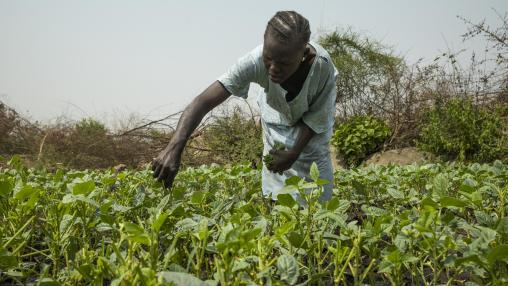
The High Cost of Conflict: Tracking Sudan’s Deepening Food Crisis
The conflict in Sudan, primarily between the Sudanese Armed Forces (SAF) and the Rapid Support Forces (RSF), has escalated since April 2023 into a significant crisis. This conflict has severely degraded the food security of many Sudanese households, with profound effects on their diets, coping strategies, and overall welfare.
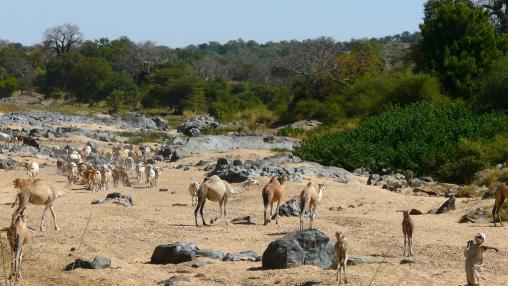
Strategic Integration of Armed Groups on the Road to Agrifood Transformation
Military and paramilitary groups exert substantial influence globally, serving as the primary power base for regimes in forty-two different nations.
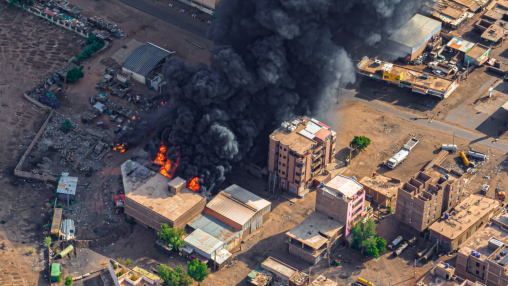
How warring factions gained influence in Sudan’s food system – and what it means for the current conflict
Militaries play a major role in the politics of many countries. They determine whether elections can occur and who can compete. From Egypt to Pakistan and Myanmar to Uganda, the military is often the most important powerholder.In parallel, violent non-state actors—including criminal networks, terrorist groups and paramilitaries—have proliferated over the last two decades.To maintain their influence and finance their operations, militaries and violent non-state actors often become heavily involved in both legal and illicit business activities.
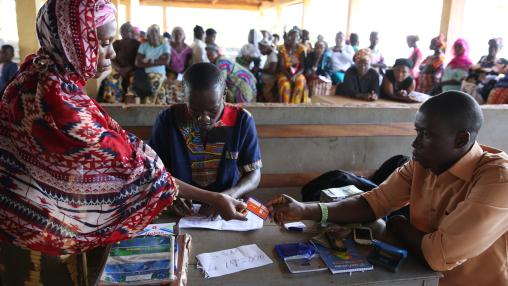
Can digital cash transfers serve those in active conflict zones? Evidence from Sudan
Digital cash transfers can be delivered even in active conflict settings like Sudan and can significantly protect vulnerable households—especially in the most insecure areas—from worsening food insecurity, though their impacts vary by context and household characteristics.While the recent surge in armed conflicts and natural disasters continues to increase demand for humanitarian services, humanitarian organizations face an increasing funding gap to meet this demand.
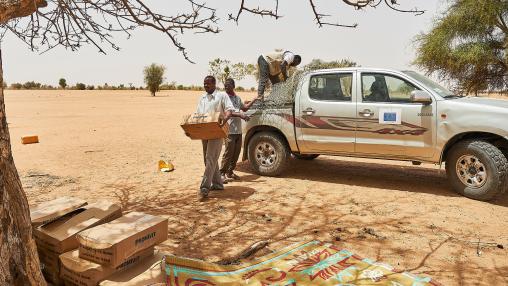
Cash or Food? Intrahousehold Preferences for Aid Modalities in Sudan
Families in crisis are often treated as a single unit, but new research from Sudan shows that husbands and wives often have very different ideas about what aid they need. To truly tackle hunger, it is important to look at who is actually making the decisions inside the home.
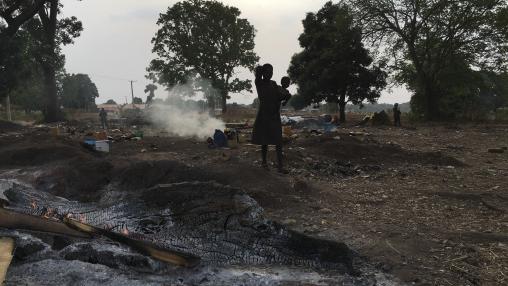
Analyzing the Economic Fallout of Conflict in the Sudan
Since April 2023, the Sudan has suffered from violent conflict that has displaced wide swathes of the population, significantly disrupted the economy, and led to skyrocketing unemployment, poverty, and food insecurity. Between December 2024 and May 2024, more than half of the country’s population experienced IPC Phase 3 food insecurity or higher, and millions of Sudanese have been without reliable access to food, healthcare, housing, and other critical services.

IPC: Famine and food insecurity spread in Sudan as humanitarian crisis worsens
Sudan’s humanitarian emergency is worsening amid the country’s ongoing internal conflict, with devastating impacts on food security. The latest Integrated Food Security Phase Classification (IPC) analysis (November 3, 2025) shows that nearly half the population continues to confront high levels of acute food insecurity. Famine (IPC Phase 5) has been confirmed in the cities of El Fasher (North Darfur state) and Kadugli (South Kordofan state), with at least 20 additional localities at risk of famine if violence escalates or humanitarian access continues to be blocked.
Informing Crisis Response in Sudan
The recent resurgence of armed conflicts in Africa is increasing the need and urgency for investments in shock-responsive humanitarian and social assistance programs. Armed conflicts both increase the need for aid and greatly complicate delivery of humanitarian services to vulnerable populations. In addition, humanitarian organizations are facing an increasing funding gap because of dwindling donor aid.
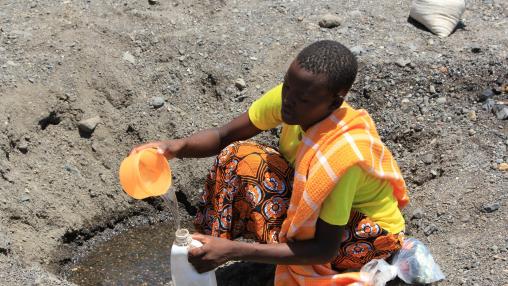
Food and Nutrition Crises Burgeon in Face of Conflict, Funding Cuts: GRFC Mid-Year Update Released
Hunger and food crisis have reached catastrophic levels in multiple places around the world, according to the Global Report on Food Crises Mid-Year Update. Famine has been confirmed in the Gaza Strip and the Sudan, with parts of South Sudan at risk of famine and Yemen, Haiti, and Mali experiencing catastrophic levels of hunger.
In all, 1.4 million people faced IPC Level 5 (Catastrophe) food insecurity and hunger as of August 2025.