




Related blog posts
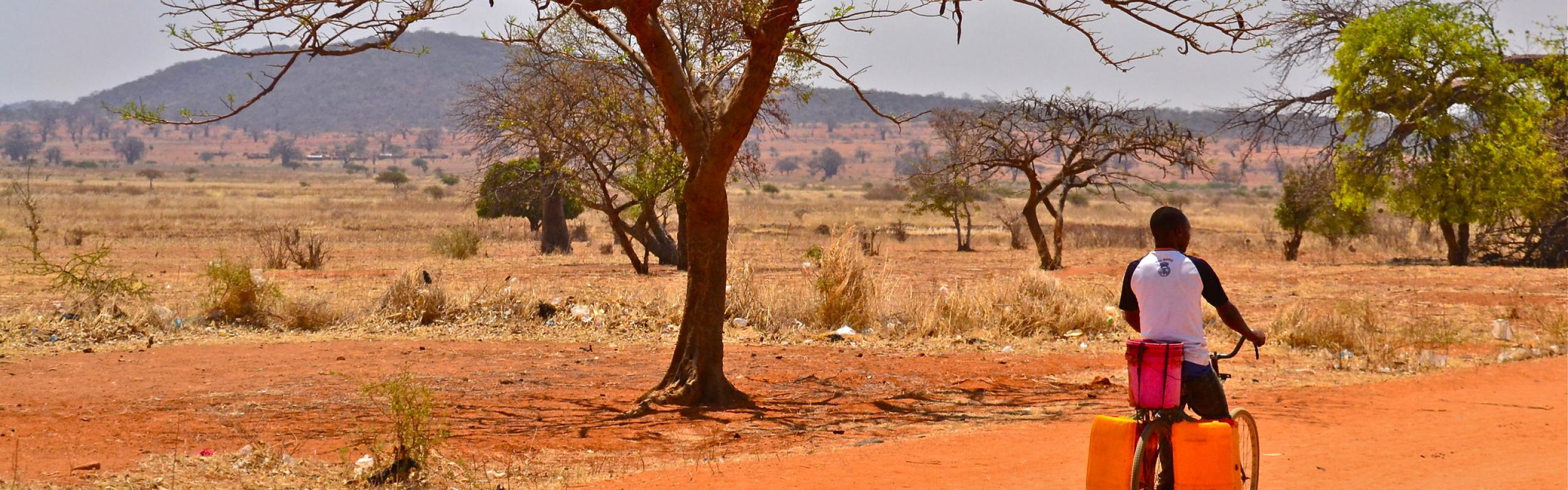
Extreme weather events, including prolonged flooding and dry spells, continue to drive up acute food insecurity throughout mainland Tanzania, according to a new IPC analysis. An estimated 10 percent of the analyzed population will continue to face IPC Phase 3 (Crisis) food insecurity or above through May 2026, with as many as 1 million people in Phase 3 and unable to meet their daily food needs.
Consistent climate shocks coupled with ongoing market instability have significantly reduced households’ purchasing power, particularly in rural areas. These shocks have also disrupted livelihoods and driven many households to utilize negative coping mechanisms, such as selling productive assets or reducing the number of meals consumed in a day.
From June 2026 through January 2027, Tanzania will cycle through two major harvest seasons. While these harvests have the potential to reduce the number of people facing acute food insecurity rather substantially, the threat of continued climate and market shocks continues. The analysis emphasizes the need for urgent humanitarian and policy action to assist vulnerable households in the short term and increase longer term resilience.
Such actions include providing staple grains at subsidized prices over the next several months, increasing reliable dissemination of weather forecasting information and tools, improving access to fertilizers and drought-tolerant seeds, scaling up climate-smart agricultural initiatives, and investing in improved water and sanitation infrastructure.
Sara Gustafson is a freelance writer.