




The Double Threat: How Conflict and Climate Change Disrupt Agricultural Input Use
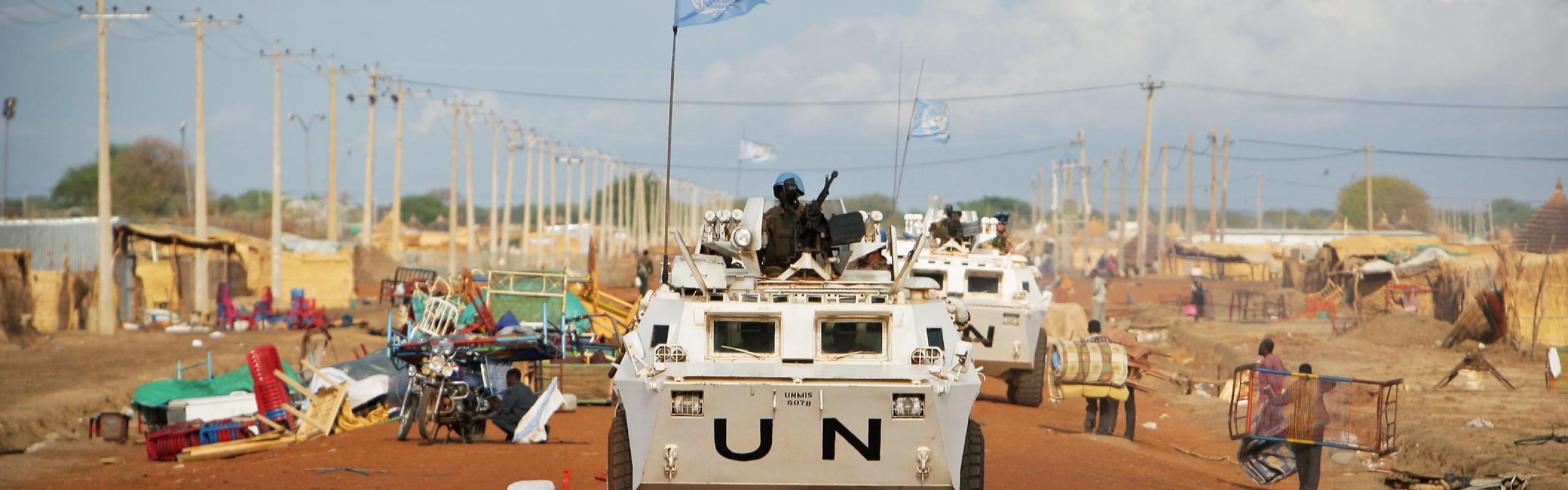
We often talk about war and weather as separate disasters. But for a farmer, they are a combined force. New research shows that conflict doesn't just disrupt a single harvest; it destroys the economic systems and the very soil that families need to survive an unpredictable climate. A study conducted in Ethiopia and recently published in Agricultural Economics (2026) by IFPRI researchers, undertaken as part of the CGIAR’s Policy Innovations, Breeding for Tomorrow, and Food Frontiers and Security Science Programs, reveals that conflict severely disrupts agricultural progress, specifically by targeting the tools farmers need to be resilient. To solve this, we need a strategy that treats agricultural productivity as a pillar of national security.
The study finds that farm input usage including fertilizers and improved seeds, plummets during unrest due to a total systemic breakdown. Broken infrastructure and blocked transport routes drive transaction costs to unaffordable levels, while the withdrawal of credit providers in high-risk zones leaves smallholders unable to finance their planting seasons. When conflict persists beyond two years, even traditional practices like applying organic manure or compost cease due to physical insecurity, causing the land itself to degrade from the inside out.
The Threat Multiplier: A Crisis of Affordability
Research shows that drought shocks amplify the impact of conflict by creating a devastating "double hit" to household resilience. This begins with an affordability trap; families already drained by drought lose their remaining savings, making basic agricultural inputs financially unreachable even if supply is available. Furthermore, the lack of soil moisture renders chemical fertilizers biologically ineffective, which—combined with the inherent unpredictability of war—forces farmers into a risk-averse survival strategy. Consequently, they deliberately under-invest in their land, leading to a significant reduction in the use of fertilizers and improved seeds.
The New Way Forward: A Comprehensive Strategy
The findings highlight an urgent need for policymakers and development agencies to stop treating these as side issues. Targeted interventions that address the unique pressures on households living at the intersection of conflict and weather risk are needed.
The study recommends the following actions to sustain livelihoods and protect food security:
- Prioritize Agricultural Resilience: Comprehensive support must be provided, not only in terms of providing food but also by ensuring that farmers can continue to produce. This means providing financial support and enhancing access to inputs even in high-risk zones.
- Guarantee Safety and Security: Interventions will fail if farming communities are not secure. Ensuring the physical safety of farmers and the security of their assets is a prerequisite for any agricultural recovery.
- Focus on Risk Management: Adaptive agricultural practices and risk-sharing models that mitigate the adverse effects of both conflict and climate shocks must be promoted in order to help farmers manage compounded risks..
- Targeted Support for Vulnerable Regions: Because the impact of conflict is much more profound for those already hit by drought, aid must be specifically designed for these “double-hit” households to prevent a permanent collapse of their livelihoods.
Rajalakshmi Nirmal is the Communications Lead of CGIAR Science Program on Policy Innovations and works at the International Food Policy Research Institute