

- South Sudan
- IPC Alerts
- Acute Food Insecurity
- Food Crisis and Related Risk Factors
- Conflict
- Food Assistance
Related blog posts
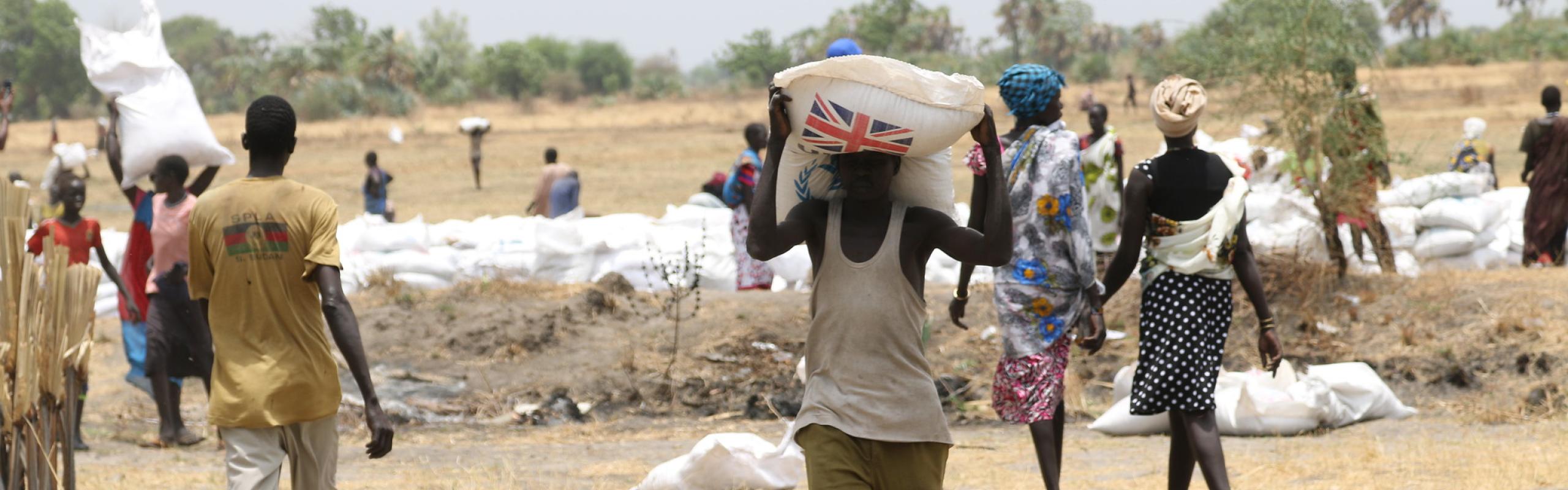
The risk of famine continues to grow in South Sudan as a result of continued and spreading conflict. According to a new IPC Alert released this week, by July, as many as 7.8 million South Sudanese—more than half the analyzed population—will face acute food insecurity, while around 73,000 people in four counties will be at risk for IPC Phase 5 (Catastrophe) levels of food insecurity, including famine and starvation. This represents an increase from the previous IPC analysis, which found risk of famine in only one county.
Escalating conflict has displaced massive swathes of the population, disrupted livelihoods, and significantly deteriorated households’ access to both food markets and food aid. Skyrocketing food prices have further reduced households’ purchasing power, leaving even populations with physical access to markets unable to afford adequate nutritious food.
Funding cuts to health and nutrition programs, persistent flooding, and increased disease burden are further complicating South Sudan’s food security situation. Displaced populations in particular lack access to safe water or adequate sanitation conditions, with a resulting rise in disease like cholera, malaria, and diarrhea. Essential medical services have also become inaccessible in many areas due to both budget-driven shortages in staff and supplies and conflict-driven inability to reach populations in need.
The alert calls for urgent and substantial scale-up of multi-sectoral humanitarian resources to affected areas, as well as renewed political commitment to end the conflict and enable sustained access to critical resources and services across the country. Such urgent action is the only way to prevent the spread of famine-level conditions further and prevent worsening food insecurity, malnutrition, and loss of life.
Sara Gustafson is a freelance writer.