

- Malawi
- Central Africa
- Climate Change
- Conflict
- Fertilizer
- Agricultural Production
- Food Security
- Maize
Related blog posts
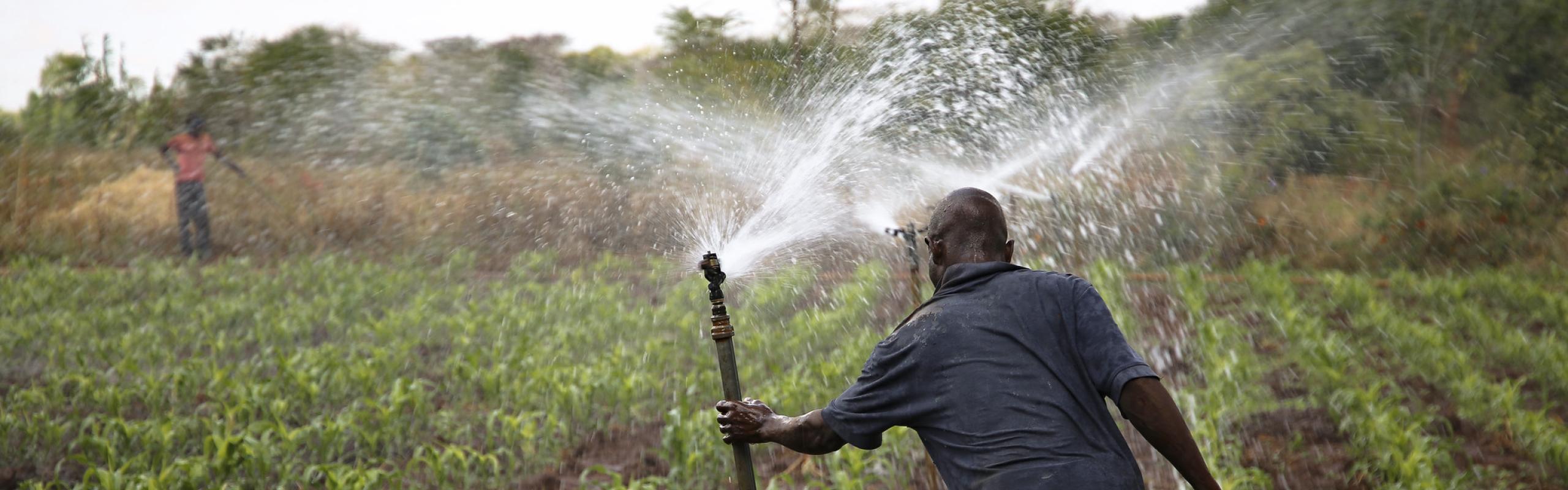
The El Niño weather phenomenon brings with it significant variations in typical weather patterns. For Malawi, that variation often takes the form of severe dry weather, impacting agricultural growing conditions and harvests. A new IFPRI Malawi Strategy Support Program Policy Note looks at the potential implications of the current El Niño conditions on Malawi’s agriculture and food security, as well as ways for policymakers and farmers to strengthen the resilience of their response.
Maize yields have declined in Malawi in 8 of the last 12 years in which the El Niño phenomenon occurred. In 2015-2016, El Niño impacts cut maize harvests by 29 percent from the country’s 10-year average, and this season’s El Niño event is forecast to be as strong, if not stronger.
If a similar shock to maize yields occurs due to this year’s El Niño, the note highlights, the results would likely be even worse for both producers and consumers. The country’s food system is still struggling to manage the impacts of the below-average 2024 harvest. These impacts included reduced seed production and subsequent lower levels of planting. As a result, predicted harvests for this season are already forecast to be less than what is needed to support Malawi’s domestic consumption.
Add to that the skyrocketing fertilizer and fuel prices resulting from the continued conflict in Iran, and both food prices and producer incomes are under substantial threat.
These nexus of shocks—both conflict and climate—has serious implications for Malawi’s food security, starting with this year’s lean season (starting in October) and potentially running through the 2027-2028 lean season.
The policy note recommends a two-pronged approach to address these food security risks.
First, policymakers should take steps to try to mitigate the impacts of this year’s El Niño event on 2027 harvests. These include prioritizing drought-tolerant and early-maturing seed varieties and increasing farmers’ access to and education about such varieties. Extension services should also encourage farmers to plant more drought-tolerant staple crops, including cassava and sweet potato, and to practice intercropping maize with crops like legumes, which can help improve overall soil health.
Any interventions designed to improve soil health, soil moisture, and production yields will need to be localized to specific regional conditions and take into account any trade-offs farmers may face from adopting new varieties and practices.
Second, efforts need to be made to ensure food security for Malawi’s citizens in the event of a poor 2027 harvest. Such efforts should include encouraging practices that reduce post-harvest food loss, planning ahead to increase the available and affordable supply of imported maize in markets, and providing cash transfers to the most vulnerable households.
All of these efforts will require financial commitment, both from Malawi’s government and from the international community. With humanitarian aid funding under strain around the world, multilateral efforts like the World Bank’s Regional Emergency Preparedness and Inclusive Recovery (REPAIR) project will likely need to be used to ensure Malawi’s timely and appropriate response to the threats posed by this year’s El Niño event and by similar shocks faced in the future.
Sara Gustafson is a freelance writer.