

National Policy Dialogue: Stakeholders Convene in Abuja to Shape Nigeria's CAADP Strategic Action Plan
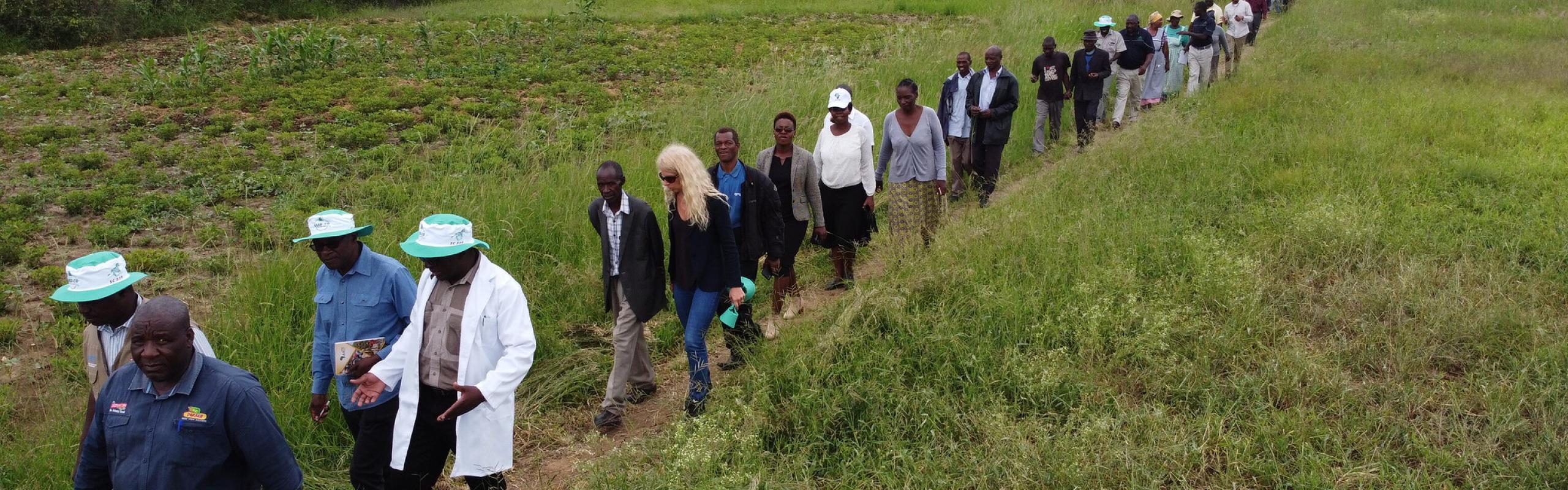
The International Food Policy Research Institute (IFPRI) Nigeria and the Federal Ministry of Agriculture and Food Security (FMAFS) convened a National Stakeholder Consultation to identify priorities for Nigeria's Comprehensive Africa Agriculture Development Programme (CAADP) Strategic Action Plan 2026–2035.
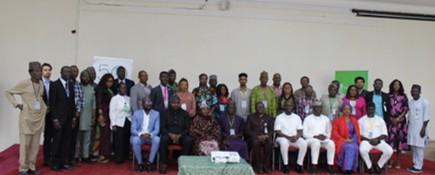
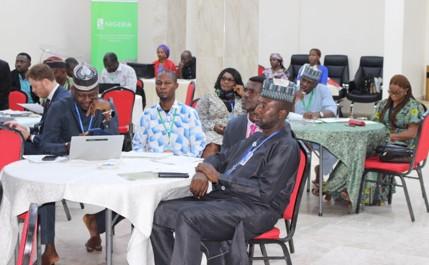
On May 25, 2026, over 80 representatives from federal ministries and agencies, development partners, farmer organizations, civil society, research institutions, women's groups, youth organizations, and the private sector gathered in Abuja for a National Stakeholder Consultation on Nigeria's Comprehensive Africa Agriculture Development Programme (CAADP) Strategic Action Plan (SAP) 2026–2035.
Organized by IFPRI-Nigeria and the Federal Ministry of Agriculture and Food Security (FMAFS), with some support from the Food Security Portal, the consultation sought to build consensus around the priorities, investments, and reforms needed to help Nigeria achieve the targets of the African Union's Kampala Declaration by 2035.
The Abuja dialogue represented an important milestone in the SAP development process. It brought together stakeholders to validate, triangulate, and deepen the findings generated across the regional workshops; while engaging federal-level and national-platform stakeholders whose perspectives extend beyond any single region. The diversity of participants reflected the central objective of the consultation: ensuring that the Strategic Action Plan is informed by perspectives from across the agrifood system.
Bringing stakeholders together
The consultation opened with welcome remarks from IFPRI-Nigeria, followed by goodwill messages from development partners and members of the CAADP technical committee, including representatives of the African Development Bank, FAO, IFAD, AGRA, and the World Bank. The Permanent Secretary of the Federal Ministry of Agriculture and Food Security formally opened the event.
From Kampala commitments to national priorities
Following the opening session, IFPRI-Nigeria presented an overview of the evolution of CAADP, from the Maputo Declaration through the Malabo Declaration and most recently the Kampala Declaration, as well as updates from the regional consultation process. Discussions then shifted to the six strategic objectives that will guide implementation of the Kampala agenda through 2035:
- Sustainable Production, Agro-Industrialization, and Trade
- Investment and Financing
- Food Security and Nutrition
- Inclusivity and Equitable Livelihoods
- Resilient Agrifood Systems
- Governance and Accountability
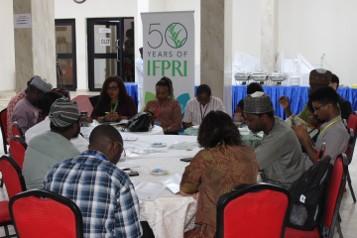
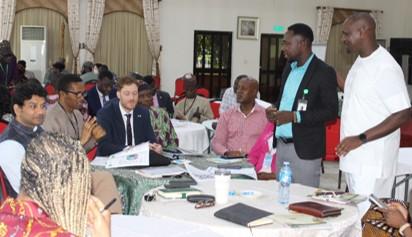
Participants were divided into discussion groups and asked to consider two questions for each objective:
- What priority interventions are needed to achieve the CAADP targets?
- What constraints could prevent progress?
Group discussions were followed by plenary reporting sessions that enabled participants to compare perspectives and identify areas of consensus.
Key messages from the dialogue
Although discussions covered a wide range of topics, several common themes emerged.
Participants emphasized the need to increase agricultural productivity through improved seed varieties, stronger extension systems, better post-harvest management, and greater investment in market infrastructure. At the same time, they highlighted the importance of strengthening agro-processing to improve farmer incomes and food availability.
Financing also featured prominently in the discussions. Stakeholders called for increased agricultural investment, stronger private sector participation, and improved access to financial services for farmers and agribusinesses. Many participants stressed that high interest rates, limited financial inclusion, and weak alignment between plans and budgets continue to constrain agricultural transformation.
Food security and nutrition discussions focused on the importance of school feeding programmes, biofortification, nutrition-sensitive agriculture, and stronger coordination across agriculture, health, and education sectors. Participants noted that food affordability remains a major challenge for many households despite Nigeria's substantial agricultural potential.
Across discussions on inclusion, stakeholders highlighted persistent barriers facing women and youth, particularly in relation to land access, finance, and productive assets. Participants emphasized that addressing these barriers is essential for achieving both productivity and poverty reduction goals.
Climate change and insecurity featured strongly in conversations on resilience. Participants identified climate-smart agriculture, early warning systems, agricultural insurance, and support for conflict-affected communities as important priorities for the coming decade.
Governance and implementation take center stage
While participants identified numerous technical and investment priorities, discussions repeatedly returned to a common concern: implementation.
Stakeholders pointed to weak coordination, inadequate monitoring systems, limited awareness of CAADP at sub-national levels, and inconsistent implementation of policies and programmes as major obstacles to progress.
Several participants emphasized the need for stronger accountability mechanisms, better alignment between national and state-level priorities, regular sector reviews, and improved data systems to track progress against CAADP targets.
The discussions underscored that achieving Nigeria's agrifood transformation goals will require not only sound policies and investments but also institutions capable of delivering results.
Next steps
The consultation concluded with reflections on the next stages of the Strategic Action Plan development process.
Insights generated during the dialogue will help inform the finalization of Nigeria's CAADP Strategic Action Plan 2026–2035, ensuring that it reflects both national priorities and stakeholder perspectives from across the agrifood system.
As Nigeria works to translate the Kampala Declaration into action, the consultation demonstrated the value of inclusive dialogue in shaping a shared vision for a more productive, resilient, and inclusive agrifood system.
The National Stakeholder Consultation workshop was held in collaboration with the Food Security Portal of IFPRI. The authors gratefully acknowledge the financial support provided by the Food Security Portal.