




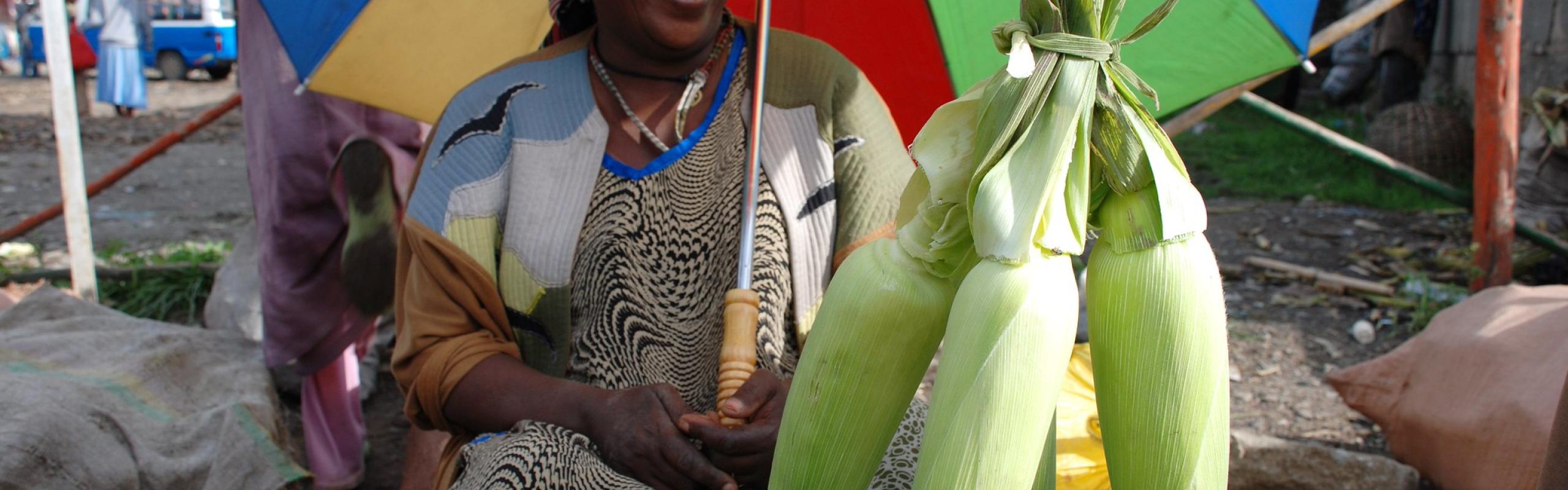
In Malawi, the food system remains stubbornly centered on maize, dominating both production and consumption despite clear policy ambitions for greater crop and diet diversity. While nutritionists and agronomists warn of its limited nutritional value and its vulnerability to climate change, average consumption remains high at 2.8 kg per person per week. This dependence on a single staple leaves the nation’s food security at constant risk of harvest failure. While many attribute this persistence to a “maize mindset” suggesting farmers are simply unaware of the benefits of diversification, this view may overlook a more critical reality. The authors of a recent report, “Mindset or economics: what explains the dominance of maize in Malawi?”, found that the decision to prioritize maize is often a calculated response to fundamental economic incentives and the constraints facing low-income, land-constrained smallholders.
The economics of maize
For many Malawians, the preference for maize is rooted in economic necessity rather than just habit. In a context of low incomes and high food prices, maize remains the most cost-effective way to meet calorie requirements. It is also highly compatible with the existing agricultural infrastructure and markets in Malawi, making it a safer bet for land-constrained farmers.
Can other crops compete with maize?
To determine if other staples are viable alternatives, the study compared maize against crops such as rice, cassava, and sweet potatoes. While these options may offer better nutrition, they face significant practical and economic hurdles that make them less attractive to a typical farmer. For instance, rice requires specific water conditions that are difficult for most households to maintain, while both cassava and sweet potatoes suffer from extreme perishability. Specifically, fresh cassava roots begin to spoil within 24 to 72 hours of being pulled from the ground, showing signs of fermentation or discoloration. Beyond this short shelf life, the crop demands heavy manual labor for peeling, soaking, and drying, and the inability to mill fresh roots into flour further limits how it can be used in the kitchen. These logistical burdens often outweigh any advantages in raw yield.
Other grains, such as sorghum and millet, currently provide only about half the energy per hectare that maize does. Even under ideal conditions, their potential yields barely reach the levels maize already achieves today. These crops will likely remain secondary choices until high-yielding seeds are easily available, extension services are strengthened, and reliable markets are established for farmers to sell their harvests. For a family with very limited land, the most logical priority is securing a year’s worth of food, a requirement that maize satisfies more consistently than the available alternatives.
Policy Implications
The persistent dominance of maize in Malawi is a rational response to the current economic environment rather than a lack of information or a resistant mindset. Farmers make calculated decisions based on their available resources and the high risks they face, prioritizing maize because it remains the most cost-effective way to meet caloric requirements. Diversification efforts frequently fail because they do not adequately address the calorie gap created when shifting away from maize or the heightened market risks associated with alternative crops. Effectively reducing this dominance necessitates a transition from awareness-based interventions to policies that reshape economic incentives.
To achieve true diversification, the focus must shift toward rebalancing the research agenda by redirecting strategic funding toward breeding climate-resilient, high-yielding, and farmer-preferred varieties of alternative staples like sorghum and millet.
Simultaneously, prioritizing post-harvest and processing technologies is essential to reduce the high perishability of crops such as cassava and sweet potatoes. Policy should also focus on improving the marketability and productivity of legumes and other alternative staples to ensure they can compete on both a caloric and financial basis. Finally, establishing transparent, rules-based markets is necessary to build the confidence required for farmers to move beyond subsistence-oriented maize production. Only by making diversification an economically attractive and viable choice can Malawi successfully transition toward the resilient and diverse food system envisioned in its national policies.
Rajalakshmi Nirmal is the Global Communications Lead of CGIAR Science Program on Policy Innovations and works at the International Food Policy Research Institute.