



- Somalia
- IPC Alerts
- Acute Food Insecurity
- Child Nutrition
- Food Crisis and Related Risk Factors
- Conflict
- Climate Change
- Food Prices
Related blog posts
Acute food insecurity continues to rise in Somalia, according to a new IPC alert. From early 2025 to February 2026, the number of people in IPC Phase 3 (Crisis) or above food insecurity has nearly doubled, with as many as 6.5 million people now classified as acutely food insecure.
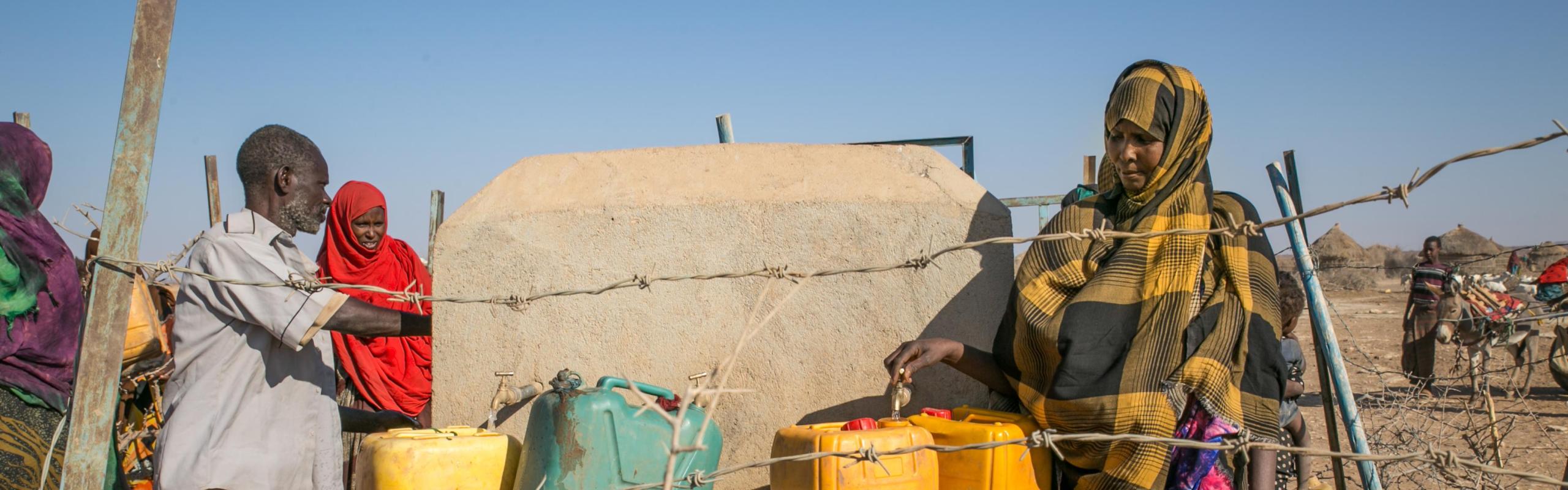
Worsening drought, combined with conflict and rising food prices, is largely to blame for the severity of the country’s food and nutrition security crisis. Much of the country experienced below average rainfall between October and December 2025, with failed harvests and reduced pasture and water for livestock as a result. Both the drought and the country’s continuing conflict have displaced significant portions of the population and disrupted market access and livelihoods. By the end of March 2026, as many as 212,000 people are projected to be internally displaced. These internally displaced populations are particularly vulnerable.
Acute malnutrition is expected to rise in 2026 as well for the second year in a row. By the end of 2026, as many as 1.84 million children are forecast to suffer from acute malnutrition, with over 480,000 expected to face severe acute malnutrition and be in need of lifesaving medical care. Incidence of waterborne diseases are anticipated to rise in many areas, with disease outbreaks particularly prevalent among rural and displaced populations. Delivery of nutrition and medical services will continue to be hampered by poor transport and logistics infrastructure and rising civil insecurity.
Seasonal rains are expected to improve from April through June, which could lead to some improvement in crop and livestock production and agricultural employment opportunities. However, the alert emphasizes that any improvement in food security and nutrition will be small. Acute food insecurity is still expected to impact as many as 5.5 million people through June 2026.
Urgent food aid is needed to safeguard livelihoods and save lives, particularly in food insecurity and malnutrition “hot spots” and among vulnerable populations. Ongoing and transparent monitoring of the factors contributing to the crisis, including climatic conditions, food prices, disease outbreaks, and areas of growing conflict, will also be crucial in enabling policymakers to implement proactive policies to prevent further widespread food insecurity.
Sara Gustafson is a freelance writer.