




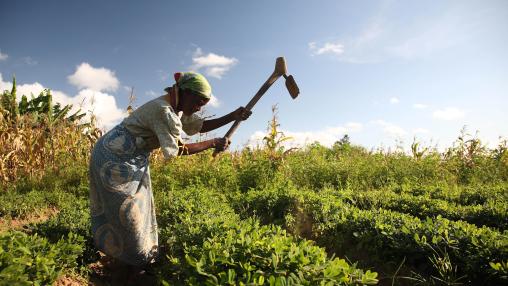
Rising Food Insecurity in Malawi
Malawi’s food system has likely deteriorated since 2010-2011, according to a new report from IFPRI’s Malawi Strategy Support Program (MSSP). Severe drought and rising food prices have been the largest contributors to rising food insecurity.
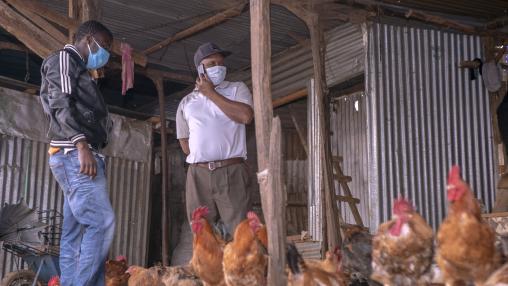
COVID-19, Food Access, and Food Insecurity in Rural Africa
The COVID-19 pandemic continues to have wide-ranging impacts on living standards, poverty, food insecurity, and economic stability across the globe. For low-income regions like Africa south of the Sahara (SSA), these impacts are particularly devastating. Many countries in SSA struggled with food insecurity before the outbreak of COVID-19, and the pandemic has only exacerbated those challenges by disrupting domestic food value chains, reducing remittances and other income, and lowering populations’ purchasing power and food access.
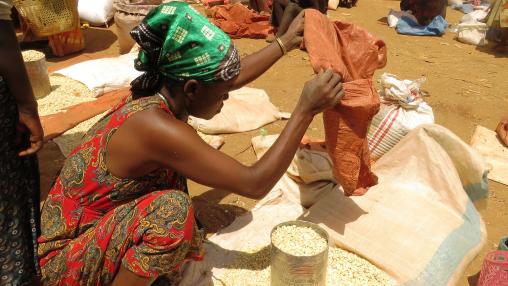
Estimating smallholder maize yields in Ethiopia with satellites and machine learning
Accurate and precise monitoring of agricultural output in developing countries is a crucial tool for the proper allocation of public funds and services, in addressing poverty, and in sustainably increasing yields to feed growing populations. But accurate crop yield estimation is particularly challenging in sub-Saharan Africa (SSA), where heterogeneous smallholder farms predominate, making data collection expensive and often subject to systemic bias.
East Africa Commodity Price Report - January 2022
East Africa Commodity Price Report - December 2021
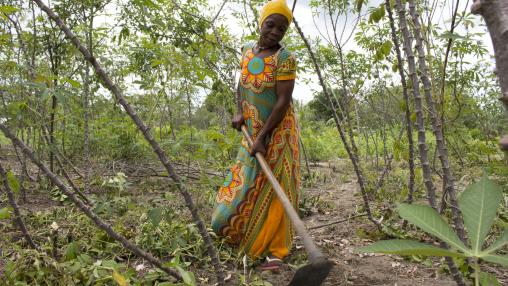
Location, Location, Location: How Spatial Distribution Impacts Market Access
In countries across Africa south of the Sahara (SSA), agricultural value chains often rely on agro-dealers—small-scale local distributors—to help bridge the gap between input firms and farmers. Agro-dealers can thus form an important node of the value chain, providing access to critical inputs like seeds, inorganic fertilizers, and new agricultural technologies that can help increase productivity and improve food security.
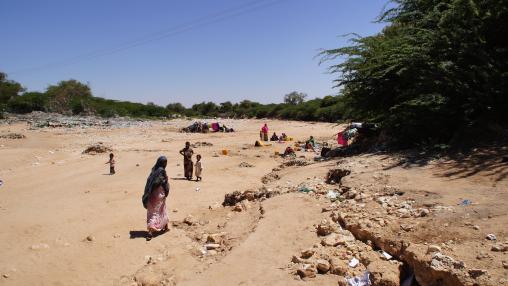
Climate and Economic Shocks Threaten Food Security in Horn of Africa
Since October 2020, the eastern Horn of Africa has experienced persistent extreme drought, According to a recent report released by FEWS Net. Extremely dry weather in October-December 2020, March-May 2021, and October-December 2021 has resulted in significantly reduced agricultural and livestock production. For example, in Somalia, the 2021 “Deyr” cereal harvest is expected to be as much as 70 percent below the 10-year average. The region has not experienced three consecutive dry seasons since the 1980s, and the trend has put food security at serious risk.
East Africa Commodity Price Report - November 2021
East Africa Commodity Price Report - October 2021
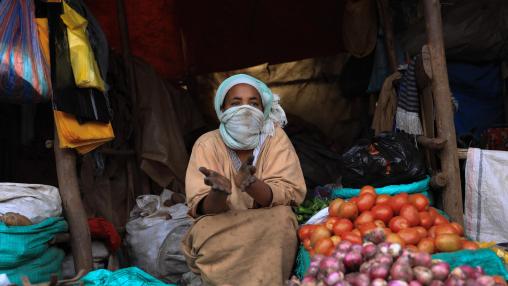
Value Chain Resiliency and COVID-19: Results from Ethiopia
As Ethiopia’s population has become increasingly urbanized over the past decade, more and more households have come to rely on markets, rather than their own farms, for their daily food needs. This dependence means that well-functioning agri-food value chains have become increasingly vital to food security for much of the population.