



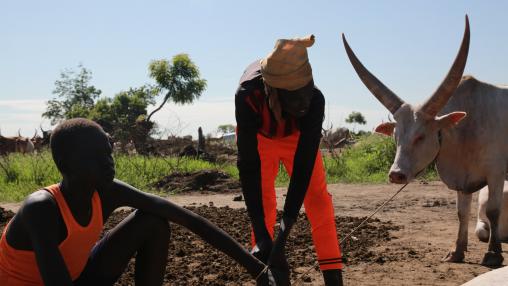
Humanitarian Crisis Continues in Horn of Africa
The eastern Horn of Africa continues to experience acute hunger and food insecurity, according to FEWS Net. The region has faced multiple shocks in recent years, including a historic five-season drought, multiple conflicts, and economic shocks; all of these factors have contributed to drastically lowering agricultural and livestock productivity, reducing livelihoods, and driving poor populations into ever-worsening hunger.
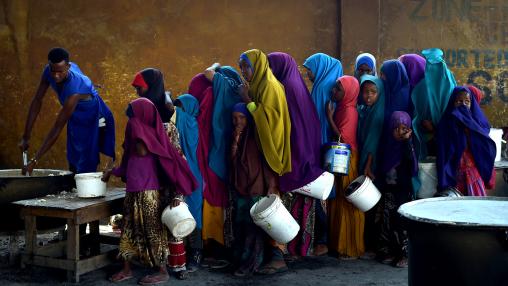
Famine Averted, But Somalia Still at Risk
Somalia will likely avoid widespread famine, due to scaled up humanitarian assistance and marginally improved rainfall; however, the situation within the country remains critical. After three consecutive years of drought, millions of Somalis are facing acute food insecurity and hunger, and the risk of famine remains in several areas of the country.
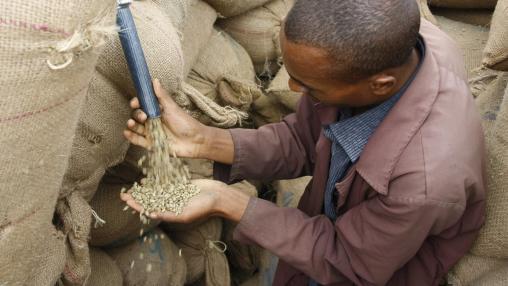
Adding Value to Ethiopia's Coffee Sector
Coffee plays a central role in Ethiopia’s economic structure. An estimated 15 million Ethiopians depend on the coffee sector for their livelihoods, and the country remains the largest producer and exporter of coffee in Africa. Despite the importance of the crop for income generation and economic growth, however, only a small proportion of Ethiopian coffee farmers engage in practices that can result in higher quality beans and garner higher prices on the international market.
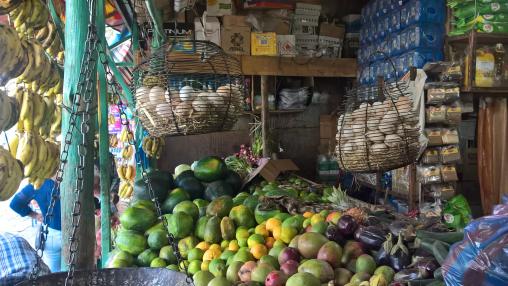
Encouraging Healthy Diets in East Africa: The Role of Food Prices and Consumer Preference
Access to and consumption of healthy diets, including fruits and vegetables, forms a key pillar of food security. Consumption of nutritious foods have been shown to reduce the risks of non-communicable diseases like diabetes and heart disease and to cut rates of early morbidity and mortality. Despite these benefits, however, the world’s population continues to overconsume unhealthy foods, such as those high in sugar, fats, and salt, and underconsume healthier foods.
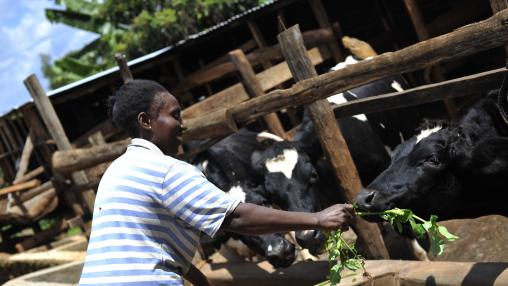
Policy seminar: Leveraging Kenya’s new Bottom-Up Economic Plan for food system transformation
Kenya’s new government has developed an ambitious Bottom-Up Economic Plan to tackle complex domestic and global challenges. “The Bottom-Up approach is about making sure that markets work, and more importantly, work for the poor,” Cabinet Secretary Prof. Njuguna Ndung’u explained during a recent policy seminar hosted by the Kenya Institute for Public Policy Research and Analysis (KIPPRA) and IFPRI Kenya as part of the CGIAR Research Initiative on National Policies and Strategies (NPS) seminar series.

How mobile technologies are reducing gender inequities in Tanzania’s agrifood system
In the spring of 2022, we taught a graduate level course titled “Agri-food Systems and Economic Development” in Georgetown University’s Global Human Development Program. One of the assignments was writing a policy brief on the impact of a major shock to food systems (such as a significant policy or technological change, natural disaster, or the COVID-19 pandemic) on a sub-population in a country or region. This post by Christian Kamm is based on the assignment.
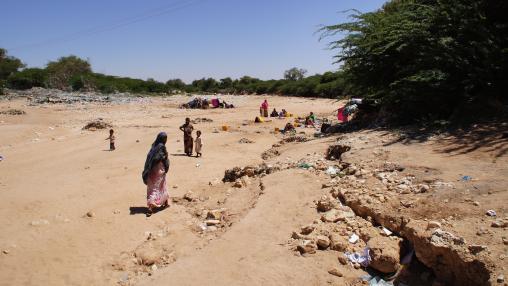
Famine Risk in Somalia Grows
Urgent international aid is needed in Somalia to avert famine and widespread starvation, according to a new alert issued last week by FEWS Net. While humanitarian aid increased throughout this fall and has so far prevented IPC Phase 5 (Famine)-level food insecurity from being reached, experts warn that the southern and central areas of the country will likely reach such acute levels in April-June 2023.

Accelerating adoption of climate-smart agriculture: Reaching women farmers in Uganda with video extension
Women play a vital role in agricultural production in low-income countries, but often lack the information needed to improve their agricultural practices. A recent dissemination event in Uganda highlighted the potential of targeted video-based extension to boost women’s adoption of key climate-smart technologies.
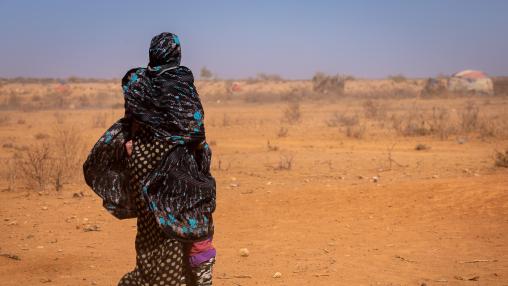
Urgent Aid Needed in Horn of Africa As Famine Threat Grows
The Horn of Africa is facing a fifth consecutive season of severe drought, with extreme dry conditions expected to extend through May 2023, according to a new alert released by FEWS Net. The situation has significantly increased the likelihood of famine in the region, and global action is needed urgently to address the growing humanitarian crisis.