


Horn of Africa Continues to Face Acute Food Insecurity, Malnutrition, and Hunger
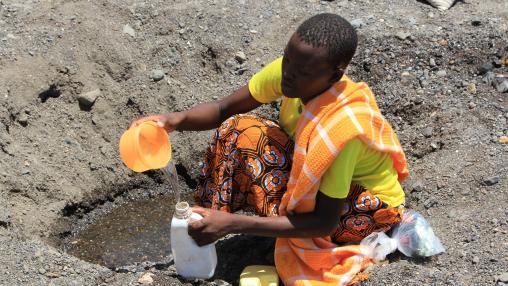
The Horn of Africa continues to face severe food insecurity, reduced livelihoods, and hunger-related deaths as a result of several years of drought and failed harvests, according to FEWS Net. The hardest hit regions include Somalia, Sudan, the arid and semi-arid regions of Kenya, and southern and southeastern Ethiopia. The situation has been further exacerbated in Sudan and Ethiopia by ongoing conflict.
Agrifood System Transformation in Rwanda: Development Impacts
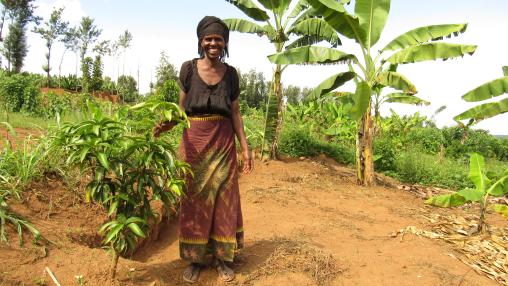
Between 2000 and 2019, Rwanda’s economy grew by over 7 percent annually. This rapid and significant expansion was driven in part by transformation in the country’s agrifood sector. A recent project note by IFPRI’s Rwanda Strategy Support Program examines that transformation, particularly how the growth of different agrifood value chains has impacted poverty reduction, hunger and nutrition, economic growth, and employment in the country.
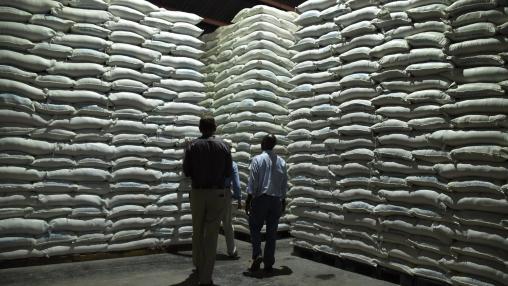
The Ukraine-Russia Crisis and SSA: New Ebook Provides a Look Back and Forward
Africa south of the Sahara has been, and will continue to be, particularly hard hit by the impacts of the Russia-Ukraine conflict on global food and fuel prices, according to a new ebook from IFPRI. The book, based on IFPRI’s Ukraine blog and research brief series, provides a regional and country-level overview of the impacts of the ongoing crisis on SSA. It also concludes with policy recommendations and lessons learned to help the region, and the world, better respond to future food system shocks.
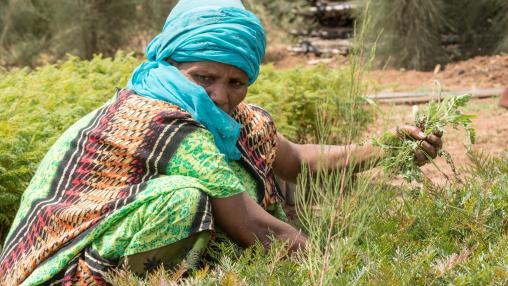
Building nutrition resilience in a crisis context in Somalia
Limited access to nutritious food has been a perennial problem for many in Somalia, and the country faces great challenges in sustaining improved nutrition for the most vulnerable. Increasingly frequent climate change related droughts and floods, locust infestations, the global COVID19 pandemic and persistent conflict have all resulted in Somalia having some of the highest rates of acute malnutrition and worst levels of micronutrient deficiencies in the world.
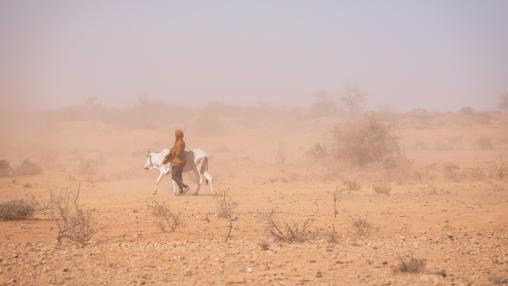
Ethiopia Remains in Need of Urgent Food Aid
While the record-breaking drought of 2020-2023 has eased and conflict in the region has largely ended, Ethiopia remains in need of significant humanitarian and food aid, according to a May report from FEWS Net. Populations in the northern Tigray region and the southeastern Oromia and Somalia regions continue to experience IPC Phase 3 (Crisis) and Phase 4 (Emergency) food insecurity, which could worsen even further in the upcoming lean season.
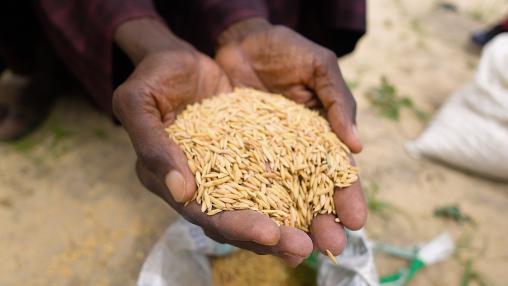
How to achieve food system transformation to prevent future food crises
With multiple crises plaguing food systems across the globe, Africa south of the Sahara remains particularly hard hit. As a result, policymakers and development partners in the region are faced with the need to balance sometimes conflicting priorities: ending hunger and reducing poverty, making diets healthier and more affordable, improving the productivity and livelihoods of smallholder households, and adapting to and mitigating the impacts of climate change.
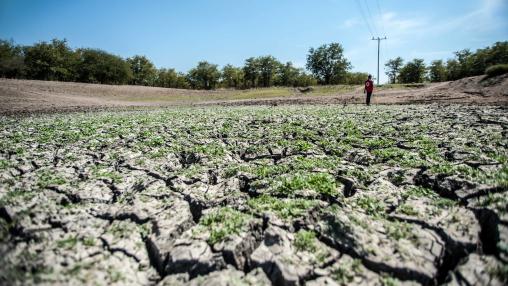
Acute Food Insecurity Rampant in Africa South of the Sahara: GRFC Released
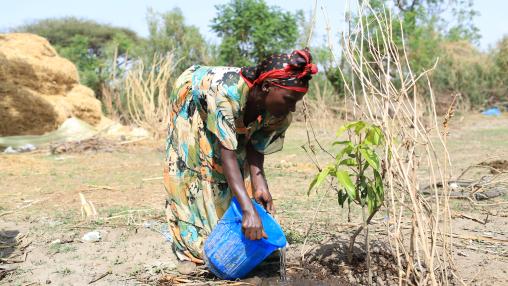
Increasing financial access in Ethiopia through mobile money
The mobile money revolution has begun to substantially increase financial access around the world. Mobile money accounts allow people previously excluded from the formal financial sector to access savings accounts, make payments to merchants, and make person-to-person transfers, among other services. Research has shown that mobile money access can have important effects on key outcomes such as improved resilience and food security.
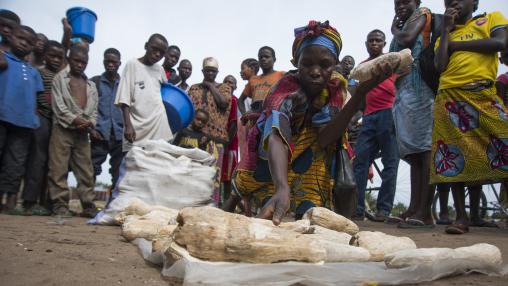
Acute Hunger Continues to Rise in Africa South of the Sahara: 2023 Global Food Policy Report Released
In Africa south of the Sahara, the share of the population facing food insecurity is more than double that of any other region in the world, according to IFPRI’s 2023 Global Food Policy Report: Rethinking Food Crises Responses. Approximately 282 million people in Africa south of the Sahara, or around 20 percent of the population, were undernourished and food-insecure in 2021.

Rainy Season Begins in Kenya But Food Security Challenges Remain
The long rainy season in Kenya got off to a relatively good start in March, according to an update from FEWS Net. While the precipitation has begun to replenish water levels reduced by five consecutive seasons of below-average rainfall, however, much of the country continues to struggle with the high food prices, reduced agricultural productivity, and reduced livelihoods caused by the prolonged drought.