




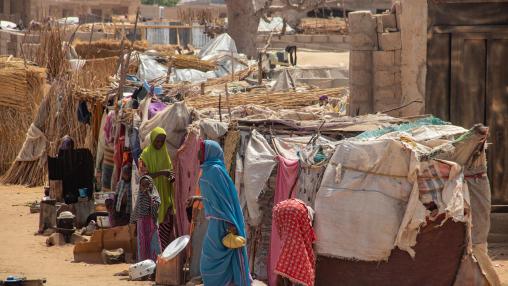
Conference: Navigating Sudan’s conflict – research insights and policy implications
Since the onset of civil war in April 2023, millions of people in Sudan have suffered from loss of livelihoods, destruction of infrastructure, and disruption of essential services. With the war still underway, Sudan is facing the world's largest displacement crisis—with 6.5 million displaced people internally and another 1.7 million driven into neighboring countries—and a surge in acute food insecurity, soaring poverty levels, and extensive losses in income, employment, and productive assets.
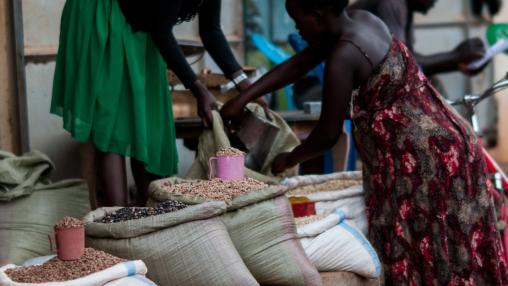
Multiple Pathways to Better Food and Nutrition Security: Evidence from Uganda
More than half of the adult population in Uganda is employed in the agriculture and fishery industries, with an estimated 36 percent engaging in subsistence agriculture. Despite the importance of agriculture to Uganda’s economy, however, the country continues to suffer from high rates of food insecurity. Small-scale farmers are often particularly hard hit by the cycle of poverty and hunger due to the vulnerability of their livelihoods to price shocks, extreme weather events, and other disruptions.
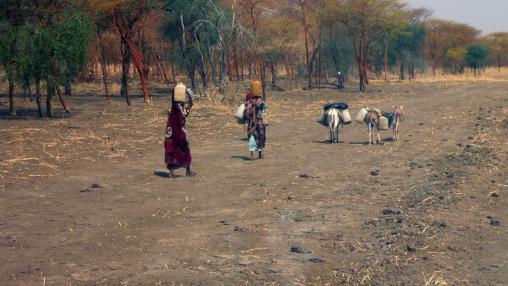
Expanding conflict brings new food security challenges for Sudan
Conflict continues to drive acute food insecurity and food assistance needs in Sudan, according to a recent FEWS Net alert.
Fighting in the country has expanded into Sudan’s southeast region, a major agricultural production and food storage area. The region typically accounts for more than 50 percent of Sudan’s annual domestic cereal production. Conflict-led disruptions to both agricultural production and trade, including destruction of infrastructure, pose a substantial threat to food availability throughout the country, reports FEWS Net.
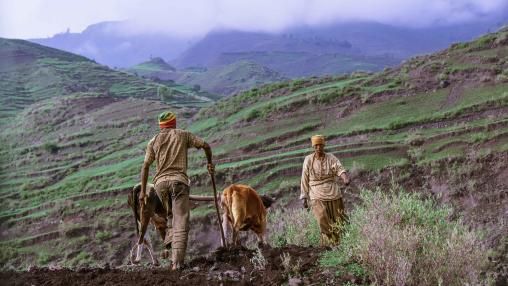
Grappling with compounding crises in domestic fertilizer markets in Africa: The case of Ethiopia
Global fertilizer markets experienced significant price surges beginning in 2020 and through 2022 due to a combination of factors, including higher natural gas prices, supply chain disruptions triggered by COVID-19, trade disruptions due to the Russia-Ukraine war, and export restrictions. Although parallel increases in international agricultural commodity prices may have cushioned these price shocks, insufficient availability and affordability of fertilizers are likely to have affected yield and profitability of smallholder production systems.
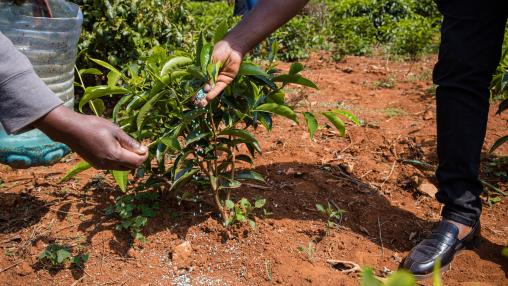
How is Kenya’s National Fertilizer Subsidy Program working?
The Kenyan National Fertilizer Subsidy Program (NFSP), implemented during the short rainy season in September 2022, has emerged as a pivotal policy in the government’s efforts to expand food production and mitigate soaring food prices.
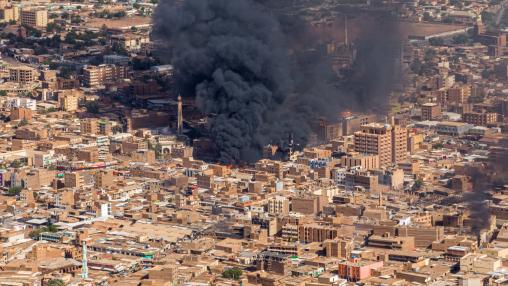
Conflict Driving Acute Hunger in Sudan, Burkina Faso
As noted in the Global Report on Food Crisis Mid-Year Update, conflict remains one of the major causes of food crises worldwide. Two recent alerts from FEWS Net echo this finding in both East and West Africa, where conflict is driving acute levels of food insecurity and hunger in both Sudan and Burkina Faso.
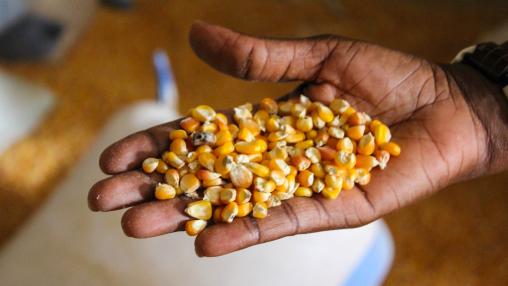
Battling Micronutrient Deficiencies in Senegal and Rwanda: Evidence from 2023 ATOR
Africa’s progress toward hunger and poverty reduction has faced significant setbacks in recent years. Multiple shocks, including global and regional conflicts and the impacts of the COVID-19 pandemic, have increased the prevalence of undernutrition and child malnutrition; in addition, significant micronutrient deficiencies persist in the region.
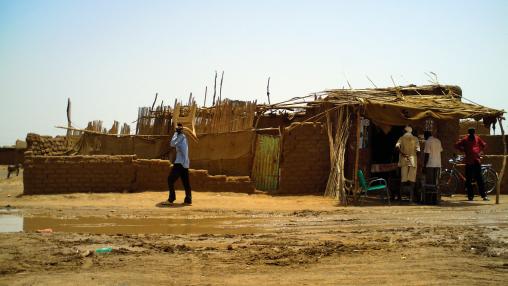
Model: Sudan’s ongoing conflict could reduce economic output by half and push 1.8 million into poverty
The outbreak of war in Sudan on April 15 between the Sudanese Armed Forces (SAF) and the paramilitary Rapid Support Forces (RSF) caused major disruptions in economic activities in the capital Khartoum and other areas of the country. More than six months later, the conflict continues, and its impacts on Sudan’s economy and on livelihoods are intensifying. Those disruptions, which have also limited access to health facilities and other public goods, are creating an unfolding humanitarian emergency.
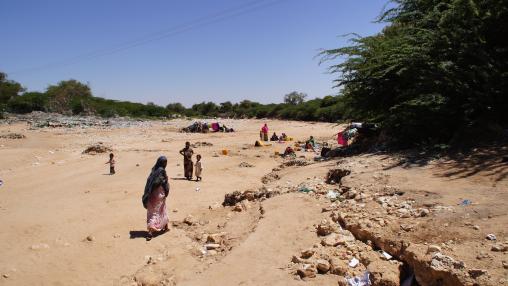
Climate Shocks Worsen Food Insecurity in Sudan, South Somalia
Extreme weather events are driving alarming rates of hunger and malnutrition in South Sudan and Somalia, according to a new series of reports from the World Food Programme (WFP). These trends are expected to continue into 2024.
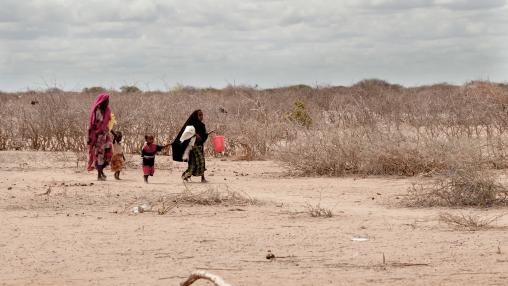
Global Report on Food Crises Midyear Update: SSA Continues to Grapple with High Levels of Acute Food Insecurity
While some countries in Africa South of the Sahara have seen improvements in food security in 2023, the region as a whole continues to be plagued by food crises, according to the Global Report on Food Crises (GRFC) 2023 Midyear Update. East Africa has been the hardest hit, with nearly 65 million people in the region having experienced high levels of acute food insecurity in the first half of 2023, up 8 million from 2022.