




East Africa Commodity Price Report - November 2022
East Africa Commodity Price Report - April to September 2022
East Africa Commodity Price Report - March 2022
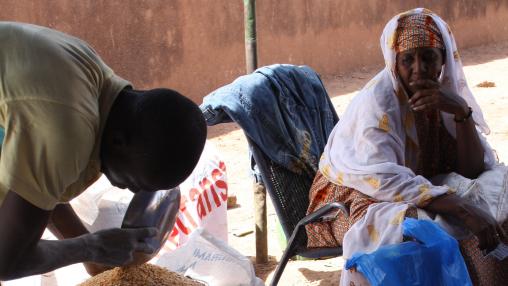
SSA Continues to Face Increasing Acute Food Insecurity: 2024 GRFC Mid-Year Update Released
Africa south of the Sahara has continued to face alarmingly high levels of acute food insecurity in 2024, according to the Global Report on Food Crises (GRFC) Mid-Year Update. This includes populations in IPC Phase 5 (Catastrophe) food insecurity in Sudan, South Sudan, and Mali, with famine plausible in some areas of Sudan.
As in previous years and reported in the April release of the GRFC, conflict, extreme weather events, economic shocks, and forced displacement of large populations have driven worsening food and nutrition security outcomes across the continent.
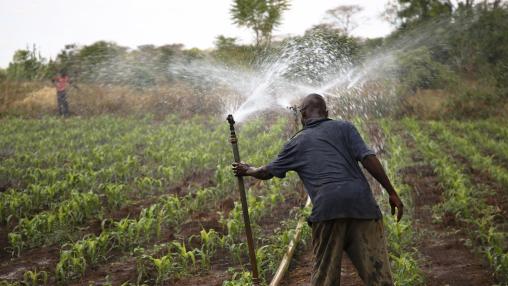
Revisiting development strategies under climate uncertainty: Insights from Malawi
Climate change is transforming the global landscape, creating unprecedented challenges for developing countries. These challenges are particularly acute in regions where economies heavily depend on agriculture, such as sub-Saharan Africa, where climate impacts such as droughts and extreme weather are increasingly disrupting farming economies and food systems. One of the critical questions facing policymakers is how to best navigate these challenges to ensure sustainable development: Does the threat of climate change significantly undermine strategies focusing on agriculture?
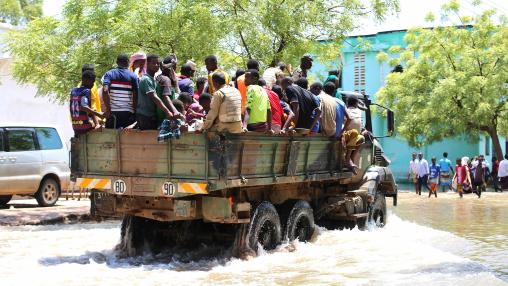
Increasing Resilience in the Face of Climate Shocks: Evidence from Somalia
In October 2023, the Baidoa district of Somalia experienced severe flooding, impacting more than 120,000 people, including nearly 100,000 internally displaced people. In a new IFPRI learning brief, researchers explore how this extreme weather event affected households in the area and how the country’s Ultra-Poor Graduation (UPG) intervention can play an enhanced role in protecting vulnerable populations from future shocks.
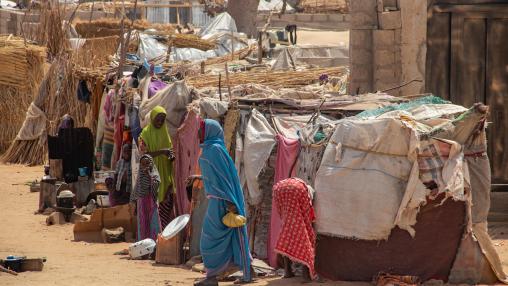
Food Crisis in Sudan: New Report Provides Policy Recommendations for Recovery
Since the outbreak of conflict in April 2023, Sudan has seen deteriorating food security and economic activity, disrupted markets and agrifood systems, and a steadily building humanitarian crisis. According to a new policy note from IFPRI’s Sudan Strategy Support Program, if steps are not taken to protect livelihoods and food security, 4 million people could fall into poverty and an additional 2 million could face food insecurity and malnourishment by 2028.
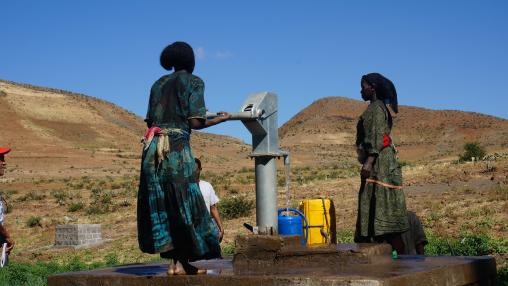
Acute Food Insecurity Remains Alarmingly High in SSA: Global Report on Food Crises Released
Despite some marginal improvements at the country level, Africa south of the Sahara remains mired in acute food insecurity and escalating food crises, according to the 2024 Global Report on Food Crisis (GRFC). Conflict, extreme weather events, economic shocks, and forced displacement continue to drive up rates of food insecurity and malnutrition throughout the region, with the outlook for 2024 equally grim.
Central and Southern Africa
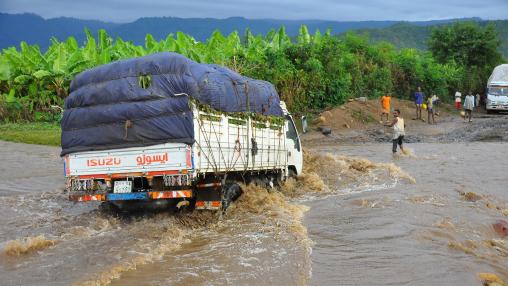
Mitigating Climate Change in Ethiopia: Policies and Priorities
Ethiopia is in the midst of the worst drought in the past 40 years, with six consecutive failed or below-average rainy seasons in the country’s pastoral areas. At the same time, flooding in other regions has disrupted livelihoods and caused widespread damage to lands and infrastructure. Climate shocks like these have been a major contributing factor to Ethiopia’s recent economic reversals, says a new report from the World Bank Group, and strong government action is needed to prepare for and adapt to an uncertain climate future.
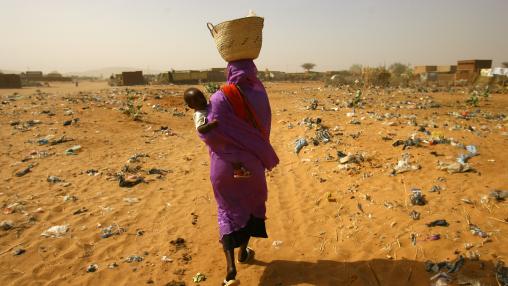
Sudan Faces Risk of Widespread Famine, Says New IPC and FEWS Net Alerts
As conflict worsens in Sudan, the country is facing unprecedented levels of acute food insecurity and malnutrition, according to a new alerts from both Integrated Food Security Phase Classification (IPC) and FEWS Net.