


Agricultural Trade during COVID-19: Trends in Africa South of the Sahara
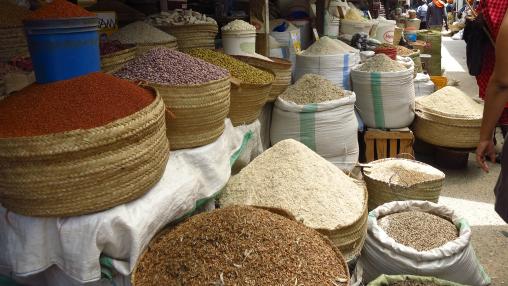
Prevalence of hunger and food insecurity have been on the rise in Africa south of the Sahara (SSA) in recent years after a long period of decline. In 2020, an estimated one in five people in the region faced hunger, more than double the proportion of any other region worldwide. The period 2019-2020 in SSA saw the strongest increase in annual undernourishment ever recorded. In 2020, estimated prevalence of undernourishment ranged from 10.1 percent in southern Africa to 31.8 percent in Central Africa.
East Africa Commodity Price Report - September 2021
East Africa Commodity Price Report - August 2021
Acute Hunger Continues to Rise Globally: Global Report on Food Crises Mid-Year Update Released
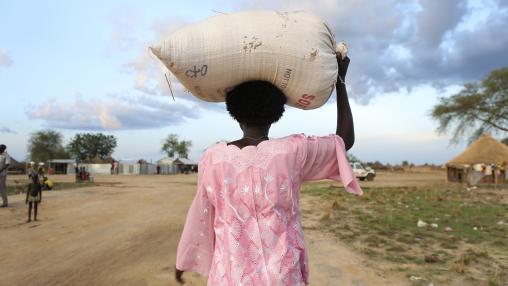
Alarming levels of hunger and food insecurity are on the rise across the globe. According to the September 2021 mid-year update to the 2021 Global Report on Food Crises (GRFC), an estimated 161 million people in 42 countries/territories have faced Crisis-level (IPC/CH Phase 3) food insecurity or higher. This number is up from the estimated 155 million acutely food-insecure people reported by the GRFC for 2020.
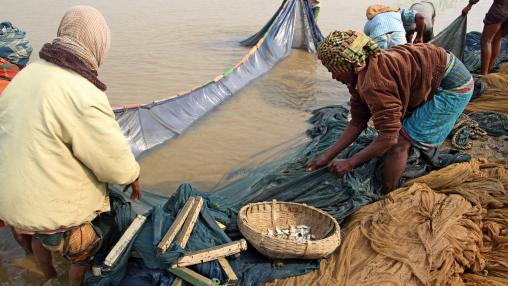
Impact of COVID-19 on National Food Systems
The CGIAR COVID-19 Hub has released updated policy notes regarding the impact of the COVID-19 pandemic on global and regional food systems. This latest series of updates covers several FSP priority countries, including Ethiopia, Nigeria, Malawi, and Bangladesh.
East Africa Commodity Price Report - July 2021
East Africa Commodity Price Report - June 2021
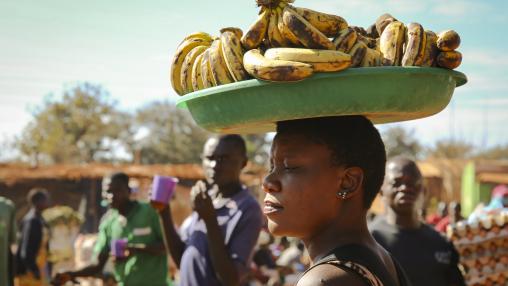
More African Countries Facing Acute Food Insecurity, According to Latest AGRA Food Security Monitor
The number of African countries facing acute food insecurity rose in June, according to the latest AGRA Food Security Monitor. The Food Monitor defines acute food insecurity as occurring when more than 50 percent of the population lacks access to sufficient food supplies. Acutely food-insecure countries in the region now include South Sudan (60%), Burkina Faso (59%), and Mali (58%).
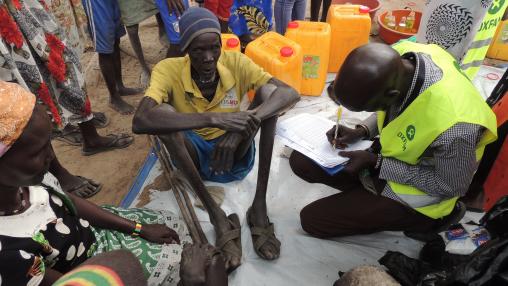
Latest FEWS Net Alerts Report Food Crises in Several Countries
Several African countries are currently experiencing acute or worsening food insecurity, according to FEWS Net.
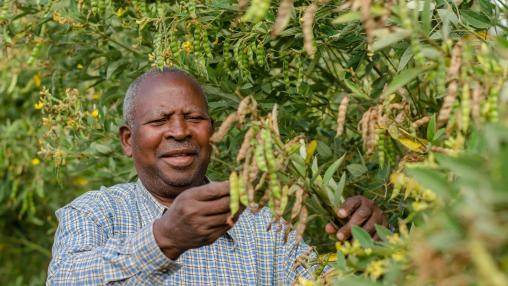
New book released: Moving Malawi beyond subsistence agriculture
Most of Malawi’s 4 million households still rely primarily on rainfed crop production with limited use of agricultural inputs for their food needs. But subsistence farming is failing to meet the dietary requirements of all Malawians: In recent years, several hundred thousand households annually have faced acute food insecurity. Insufficient harvests have resulted from either too little or too much rainfall and from limited use of inputs, while landholdings shrink as the population grows. Yet the country’s policy approach to food security continues to center on subsistence production.