




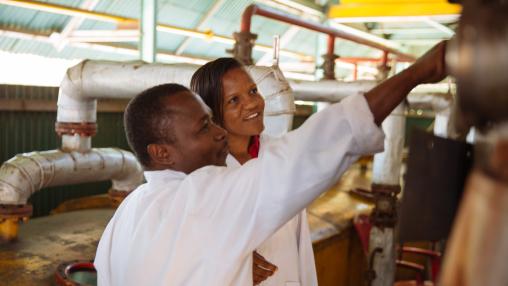
Food System Transformation Will Take Strong Coordination and Political Will, Says 2023 Africa Agriculture Status Report
Food systems in Africa have the potential to drive dramatic economic, food security, and environmental transformation in the coming decades, according to the 2023 Africa Agriculture Status Report (AASR). Realizing this potential, however, will require significant political will and investment, from both the public and the private sectors, in infrastructure, open trade, research and development, technological innovation, and enhanced education and opportunities for Africa’s rapidly expanding young population.
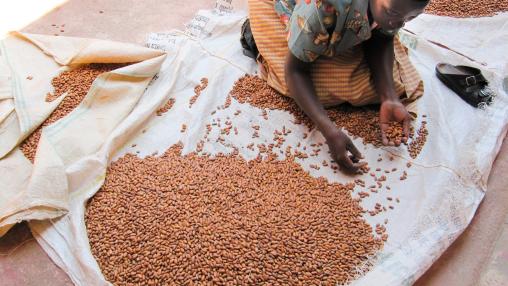
Building Better Bean Value Chains: Evidence from Uganda
Beans play an important role in the diets of rural Ugandans, making up as much as 25 percent of average daily protein intake. They are also an important cash crop within the country, with biofortified beans holding the potential for significant value-added production and income generation. However, this potential is constrained by Uganda’s weak seed systems and uncoordinated value chains, which limit productivity.
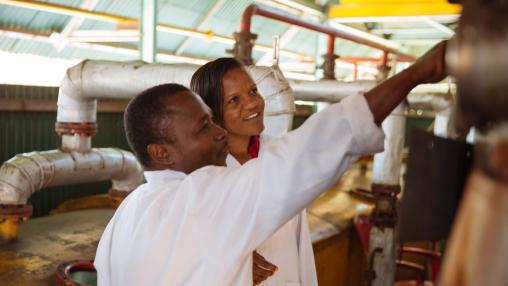
Potentials and Pitfalls in Africa's Agrifood Processing Sector
The sustainable transformation of Africa’s agrifood processing system has been increasingly recognized as crucial to ensuring the region’s food security, reducing poverty rates, and supporting economic development. The ReSAKSS 2022 Annual Trends and Outlook Report (ATOR) takes an in-depth look at the status of the system, as well as the major challenges threatening further development and policies that can support sustainable growth in Africa’s agrifood sector.
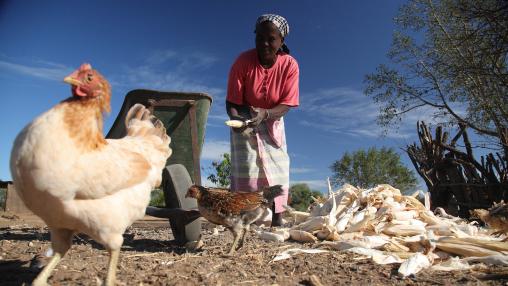
Market System Development Interventions Prove Effective in Improving Agricultural Productivity in Mozambique
An innovative market system development (MSD) intervention in Mozambique has helped increase use of agricultural inputs and access to critical market information among smallholder farmers, according to a new policy brief released by IFPRI. These results extended beyond the direct beneficiaries as well, highlighting the potential for such interventions to provide wide-ranging benefits.
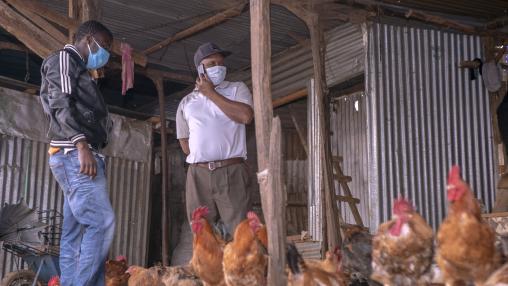
COVID-19, Food Access, and Food Insecurity in Rural Africa
The COVID-19 pandemic continues to have wide-ranging impacts on living standards, poverty, food insecurity, and economic stability across the globe. For low-income regions like Africa south of the Sahara (SSA), these impacts are particularly devastating. Many countries in SSA struggled with food insecurity before the outbreak of COVID-19, and the pandemic has only exacerbated those challenges by disrupting domestic food value chains, reducing remittances and other income, and lowering populations’ purchasing power and food access.
The Link Between Non-Farm Labor and Market Participation: Evidence from Ghana
In developing countries, rural non-farm labor is rapidly catching up with agriculture in socioeconomic importance. By engaging in non-farm labor—activities like handicrafts, small-scale manufacturing, construction, mining, quarrying, repair, transport, and petty trading—farmers can earn additional income outside of their farms. This income can in turn can be invested in household food security and in productivity-enhancing agricultural inputs. A study in Ghana published in Food Security also finds that participation in non-farm labor can also lead to greater participation in crop markets.
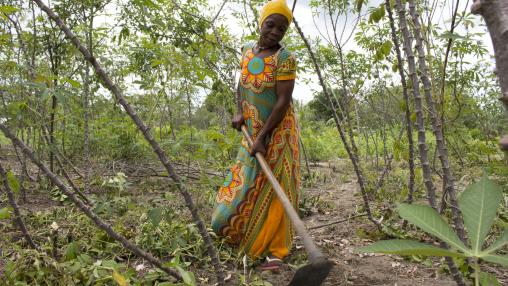
Location, Location, Location: How Spatial Distribution Impacts Market Access
In countries across Africa south of the Sahara (SSA), agricultural value chains often rely on agro-dealers—small-scale local distributors—to help bridge the gap between input firms and farmers. Agro-dealers can thus form an important node of the value chain, providing access to critical inputs like seeds, inorganic fertilizers, and new agricultural technologies that can help increase productivity and improve food security.
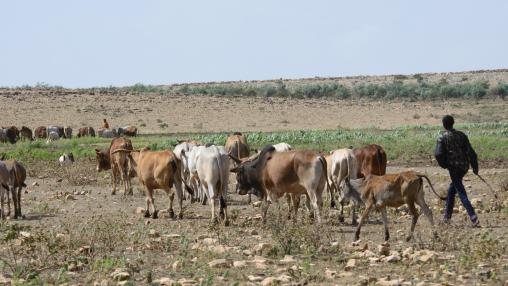
Ethiopia Facing Emergency-Level Food Insecurity
Worsening conflict in the Tigray Region of Ethiopia has disrupted food access and threatened incomes for thousands of households, according to a recent emergency alert from FEWS Net. Displaced populations, both within Tigray and in neighboring Afar and Amhara Regions and Sudan, are in need of urgent food assistance; these needs are expected to persist at least through late 2021.
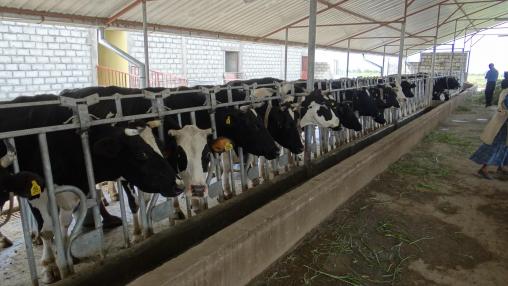
Transforming Ethiopia's Dairy Sector
By Sara Gustafson
Over the last decade, Ethiopia’s dairy sector has expanded rapidly. Urban consumers have significantly increased the amount of money they spend on dairy products, and the number of domestic dairy processing firms has tripled to meet the growing demand. All of these signs point to significant structural transformation, which plays an important role in reducing poverty and increasing welfare in developing countries. However, a new study finds that despite its recent strong growth, Ethiopia’s dairy sector still faces some important hurdles.
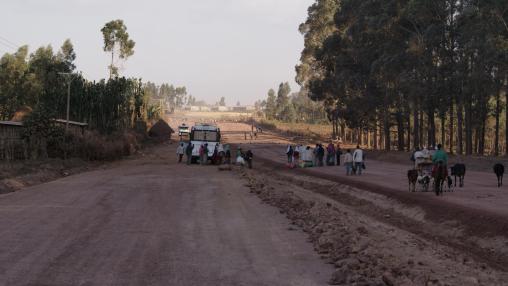
Does Increased Market Access Mean Better Nutrition?
Efforts to increase rural incomes and reduce rural poverty in developing countries often focus on policies to lower transport costs and increase market access among poor and remote rural populations. Despite the growing importance of such policies, however, it is not entirely clear to what extent and through which channels increased market access impacts rural individuals’ and households’ nutrition outcomes and overall wellbeing. A recent paper published in World Development seeks to answer these questions in the context of rural Ethiopia.