




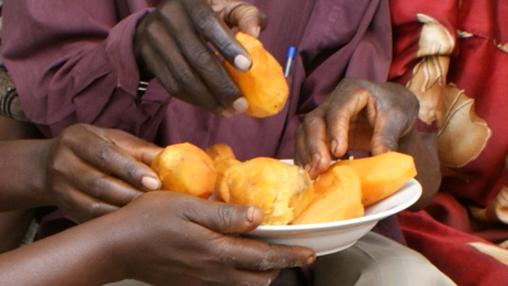
Men and Women See Unequal Access to Benefits of Biofortification
Biofortified crops, such as orange-fleshed sweet potatoes, have been shown to reduce malnutrition and micronutrient deficiency, especially in children, and increase farm households’ incomes. Whether or not farmers adopt these new crops, however, depends on individual farmers’ perceptions of biofortification’s benefits.
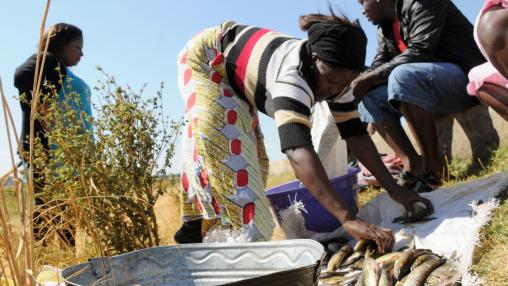
Improving Agricultural Value Chains
Better linking Africa’s rural smallholder population to national, regional, and international agricultural value chains is a key rural development and poverty reduction priority. Which types of interventions will be successful in improving such linkages is highly context-specific, however, depending on the country, the target population, and the specific product being marketed. In a new book , IFPRI researchers examine how to best evaluate and implement context-specific value chain development (VCD) interventions, with several case studies conducted in Africa south of the Sahara.
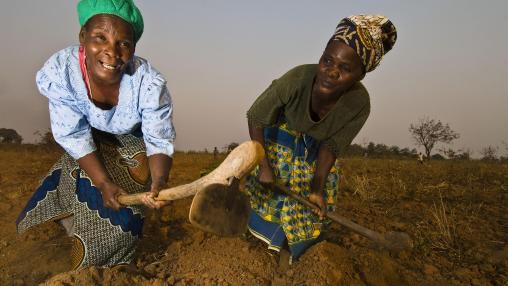
Driving Agricultural Adaptation
Agriculture in West Africa faces numerous challenges, including soil degradation, market instability, and significant threats from climate change. In response to these obstacles, many adaptation strategies, such as production of non-traditional crop varieties, have been encouraged. It remains less clear, however, what actually drives farmers’ decisions to adopt (or not adopt) these strategies. For example, a farmer may choose to plant a new crop variety in response to a short-term drought or as part of a longer term strategy to adapt to climate change.
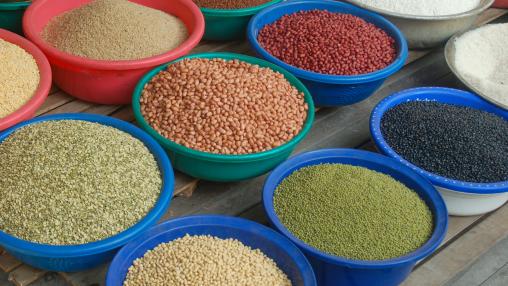
Does Climate Change Adaptation Improve Food Security? Evidence from West Africa
Rain-fed agriculture forms the mainstay of many West African economies, making the region particularly vulnerable to the effects of climate change and weather variability. As a result, there is growing emphasis being placed by both researchers and policymakers on climate-smart agriculture and climate change adaptation strategies to help protect the livelihoods and food security of farmers and rural households.

Rural Roads Can Bring Increased Access to Markets, Higher Incomes
One of the first steps in increasing smallholder farmers’ market access is ensuring that rural areas have adequate transportation infrastructure to physically move crops from farms to markets. Improved rural roads can reduce transportation costs and the cost of agricultural inputs, thus increasing agricultural productivity; roads can also help integrate producers into more lucrative national and regional markets, leading to greater trade and reducing price shocks caused by local conditions.
Farmers Leading the Way
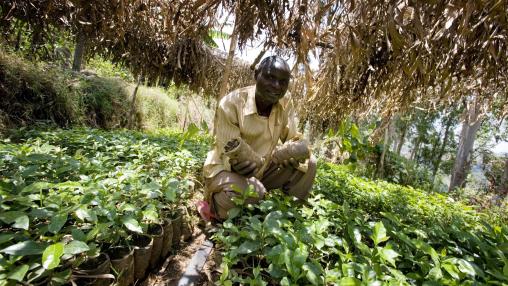
Focusing on agricultural growth, particularly that of smallholder farmers, can help countries in Africa south of the Sahara achieve broader economic and development objectives, including poverty reduction, says a new open-access book prepared by the United Nations University (UNU-WIDER) and published by Oxford Press.
Global Food Policy Report: Making Africa's Food System More Inclusive, Sustainable
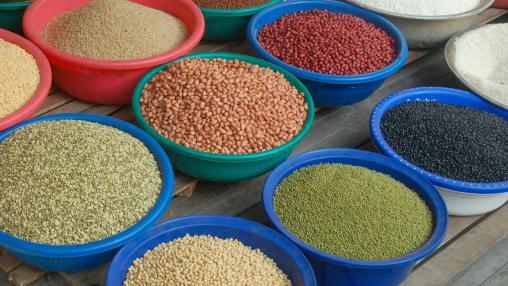
IFPRI’s 2016 Global Food Policy Report (GFPR) gives some good news for Africa – poverty and hunger both fell during the period 2003-2014. The share of the region’s population living on less than US$1.25 per day (purchasing power parity) declined from 42.9 percent to 36.9 percent, while the prevalence of malnourishment fell from 22.1 percent to 17 percent. Child stunting also fell from 40.2 percent to 35.9 percent.
Nutrition Information, Market Access Both Key in Improving Children's Diets
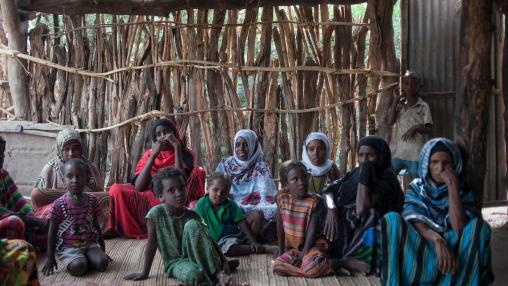
Reducing stunting and wasting in children under five years of age and improving children’s micronutrient status have become widely recognized as important development goals. Undernutrition in the first few years of life can have significant long-term effects, including fewer years of schooling, lower cognitive skills, and even lower income in adulthood.
Improve Nutrition, Market Access through Data: Tanzania Dialogue Summary
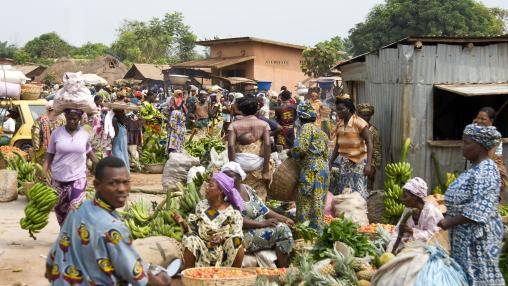
In the inter-connected world of food security, partnerships – among countries, regions, and development organizations – can play a critical role in achieving research- and evidence-based policies to increase the resilience of global food systems and to improve food and nutrition security for all. In this light, since 2014, IFPRI has held a series of food policy dialogues in Africa south of the Sahara, in collaboration with various regional partners as part of the Food Security Portal project.