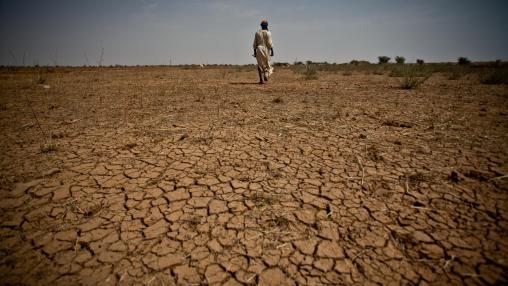
El Niño-Driven Drought Continues to Threaten Livelihoods, Food Security throughout Southern Africa
South Africa is in the throes of the worst drought in 30 years, according to a recent BBC article . Driven by the on-going El Niño cycle , below average rainfall and above average temperatures have limited crop development and water availability throughout the region.
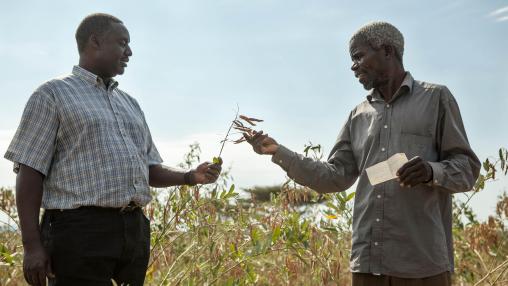
Pests and Prices: Managing Agricultural Risk in Malawi
Agricultural risk poses a significant challenge for Malawi, in terms of both its food security and its overall economic development. Looking at two studies conducted in 2014 and 2015 in collaboration with the Government of Malawi, a 2015 World Bank Agricultural Global Practice Note examines the major risks facing Malawian agriculture, how those risks could hurt both individuals and the country as a whole, and what potential steps could be taken to better guard against agricultural losses.
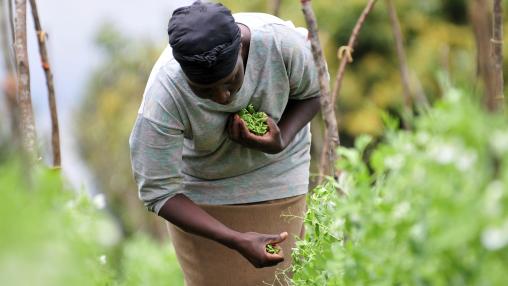
Climate Change Adaptation Requires Gender Inclusion
The impacts of climate change on agriculture can differ widely depending on a variety of factors, including the region of production, crop variety, and availability and use of inputs like fertilizers and irrigation. Gender can also play a large role in how individuals both experience and respond to climate change. Since gender norms often at least partially establish individuals’ social status, rights, and responsibilities, it is likely that men and women face different constraints and opportunities and will make different decisions when it comes to adapting to climate change.
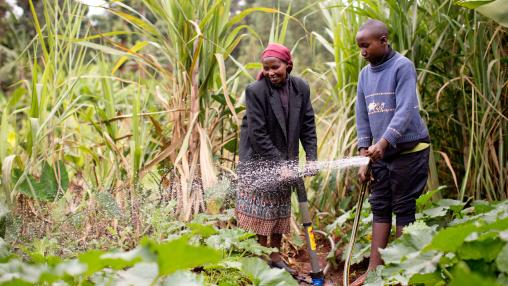
Climate-Smart Agriculture: Kenya Country Profile
Continuing its series on climate-smart agriculture (CSA), the World Bank has recently released a country profile for Kenya . Of the country’s 42.7 million people, 74 percent live in rural areas; agriculture employs more than 80 percent of Kenya’s rural workforce and provides about 18 percent of the country’s total formal employment. Over the past 30 years, the agricultural sector has contributed 28 percent of the country’s GDP and 65 percent of the country’s total export earnings.
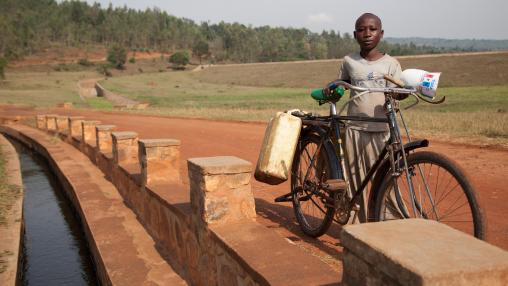
Climate-Smart Agriculture: Rwanda Country Profile
Agriculture plays a major role in the economy and labor market of Rwanda, as it does in many countries in Africa south of the Sahara. The agricultural sector made up one-third of the country’s GDP in 2009-2013 and employed more than 80 percent of the Rwandan population (World Bank, 2015). With a changing climate providing new production challenges and an increasing population driving greater demand for food, however, agriculture needs to adapt if it is going to continue to be a sustainable economic mainstay.
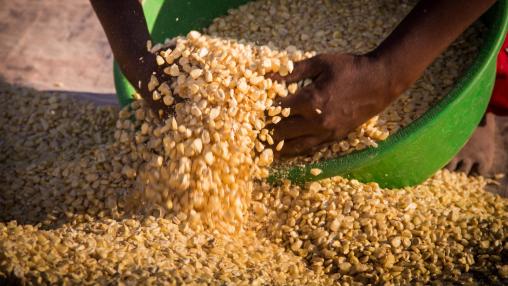
Drought Alert in South Africa
Concern continues regarding the food security situation in southern Africa, with a special alert from the Global Information and Early Warning System for Food and Agriculture (GIEWS) citing ongoing dry weather that could significantly impact 2016 harvests throughout the region. Southern Africa’s rainy season typically lasts from October through April, with around 75 percent of annual precipitation occurring between November and March.
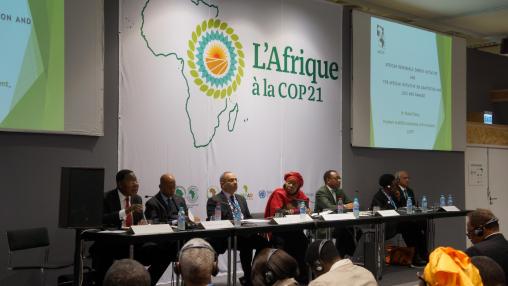
Africa's Role at COP21
On December 12, nearly 200 countries signed a landmark climate change deal into effect. The COP21 Paris agreement pledges to keep global temperature increases "well below" 2 degrees Celsius and to pursue efforts to further limit increases to 1.5C by 2100. While individual countries' emission reduction targets are not legally binding, countries are legally obligated to review their progress every five years.
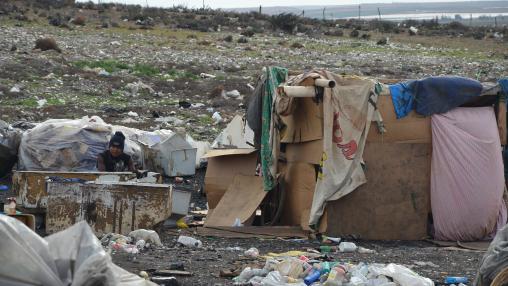
Extreme Poverty Falling, But Still A Challenge
The year 2015 saw the world’s focus transition from the Millennium Development Goals to the Sustainable Development Goals. According to a new World Bank report , the year is also predicted to see a significant drop in extreme poverty (defined as living with less than $1.90 per day according to the updated international poverty line), from 902 million people worldwide in 2012 to 702 million people in 2015, or 9.6 percent of the global population. This marks the first time that the percentage of global extreme poverty will fall to single-digit levels.
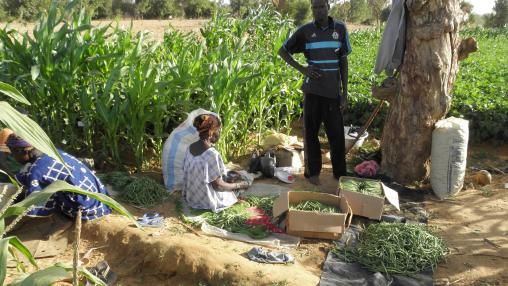
New Food Security Strategy Needed in Burkina Faso
In the inter-connected world of food security, partnerships – among countries, regions, and development organizations – can play a critical role in achieving research- and evidence-based policies to increase the resilience of global food systems and to improve food and nutrition security for all. In this light, since 2014, IFPRI has held a series of food policy dialogues in Africa south of the Sahara, in collaboration with various regional partners as part of the Food Security Portal project.
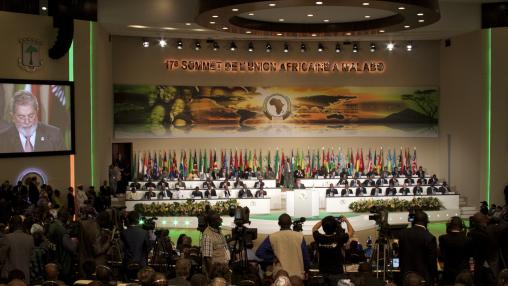
CAADP Roadmap for Sustainable Development
The African Union’s Comprehensive Africa Agriculture Development Programme, or CAADP, has made steady progress over its past 10 years of implementation. However, the African continent continues to face some key challenges, including the need to provide for the food and nutrition needs of a steadily growing population, economic inequality and rural poverty, disputes over limited natural resources, and the impact of climate change and market globalization.