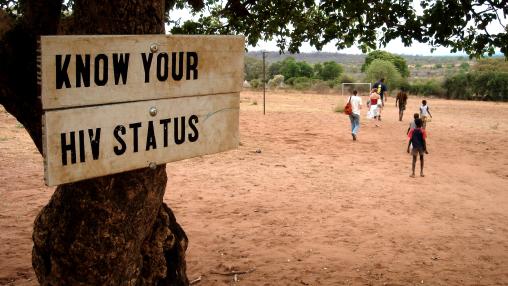
Do Income Shocks Lead to Higher Risk of HIV Infection?
The HIV/AIDS epidemic continues to plague the African continent, causing widespread human suffering and creating a stumbling block to economic development. In SSA, over a million people become newly infected with the disease every year ( UNAIDS, 2010 ). While access to proper medical care and education about safe sexual practices clearly play a role in preventing further spread of and deaths from the HIV virus, a new paper in The Economic Journal suggests that protecting people’s incomes could help decrease the spread of the disease as well.
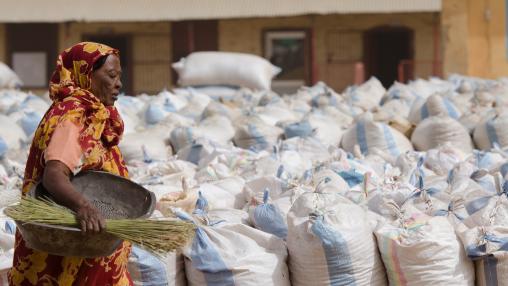
Promoting Agricultural Trade to Enhance Resilience in Africa
This blog is excerpted from a press release as part of the coverage of the 2014 Regional Strategic Analysis and Knowledge Support System (ReSAKKS) Conference.
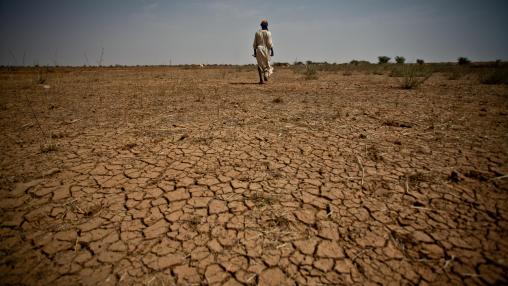
Insurance vs. Savings: How Men and Women Manage Risk
Farmers confront a number of risks every day, and this is especially true of farmers in developing countries. Rural livelihoods and welfare can be significantly impacted by everything from drought to household illness. And while many financial instruments exist that can help manage risk, in many developing rural areas, households do not have access to these mechanisms.
Climate Change and Gender: How Female Farmers Can Adapt
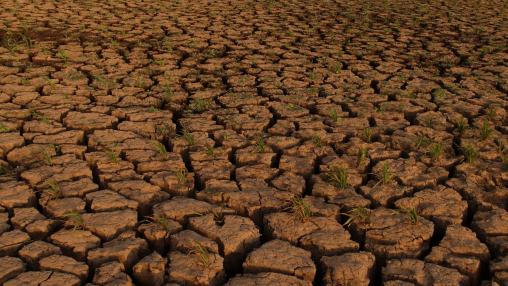
In the face of global climate change, developing country farmers are now confronted with serious risks to their livelihoods and welfare. Assets of all types – from insurance and farm equipment to livestock and land rights - have an important role to play in helping populations deal with these ever-increasing climatic risks. In addition, it will be critical for community members to work collectively to adapt to their changing local environments.