




Malawi's Women Face Barriers to Climate-Smart Agriculture
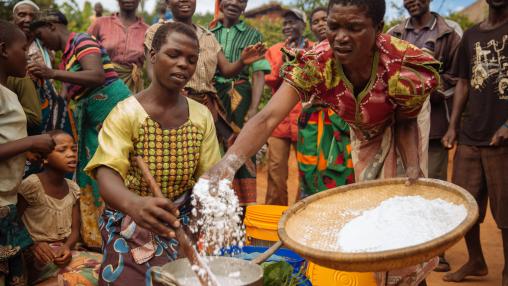
Climate change and weather variability are posing challenges for smallholder farmers worldwide, but women farmers tend to be even harder hit due to a lack of resources. According to the first article in a special issue of Gender, Technology and Development released in July, women farmers in Malawi lack access to basic agricultural tools, as well as to new technologies and practices that can enhance labor productivity and aid in climate change adaptation.
CSA that Work for Farmers
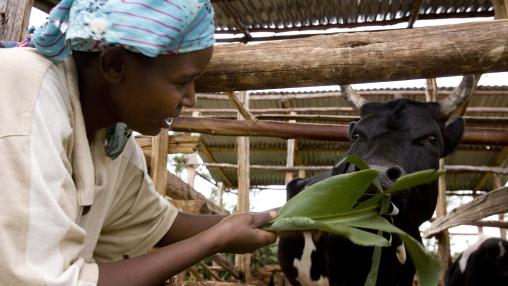
Southern Africa has been hard hit with drought over the last year, with many areas facing increased food insecurity and several countries declaring national emergencies. According to researchers at the Technical Centre for Agricultural and Rural Cooperation (CTA) , these drought conditions could be southern Africa’s “new normal.” If this is the case, cereal and livestock farmers in the region will need assistance in building their resilience and adapting their production to the new, drier conditions.
Latest GIEWS Country Briefs
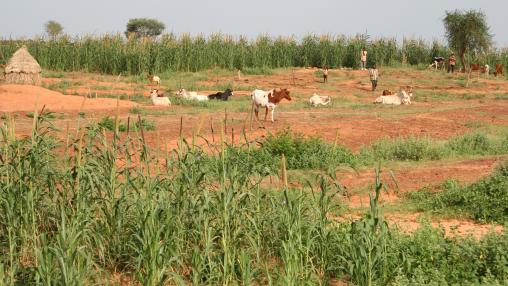
Several new country briefs for Africa south of the Sahara have recently been released by FAO’s Global Information and Early Warning Systems (GIEWS). The GIEWS country brief series provides an overview of the food security situation in prioritized countries, focusing on the current agricultural season, harvest prospects for staple food crops and livestock, estimates and forecasts of cereal production, and food price and food policy trends.
Driving Agricultural Adaptation
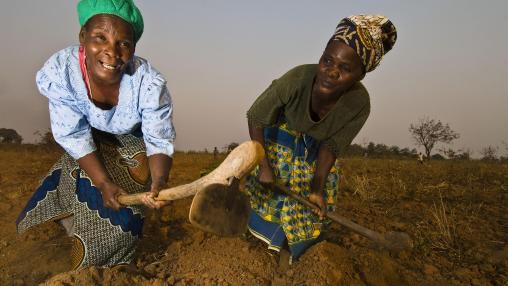
Agriculture in West Africa faces numerous challenges, including soil degradation, market instability, and significant threats from climate change. In response to these obstacles, many adaptation strategies, such as production of non-traditional crop varieties, have been encouraged. It remains less clear, however, what actually drives farmers’ decisions to adopt (or not adopt) these strategies. For example, a farmer may choose to plant a new crop variety in response to a short-term drought or as part of a longer term strategy to adapt to climate change.
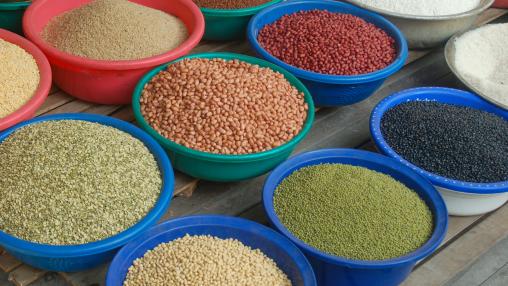
Does Climate Change Adaptation Improve Food Security? Evidence from West Africa
Rain-fed agriculture forms the mainstay of many West African economies, making the region particularly vulnerable to the effects of climate change and weather variability. As a result, there is growing emphasis being placed by both researchers and policymakers on climate-smart agriculture and climate change adaptation strategies to help protect the livelihoods and food security of farmers and rural households.
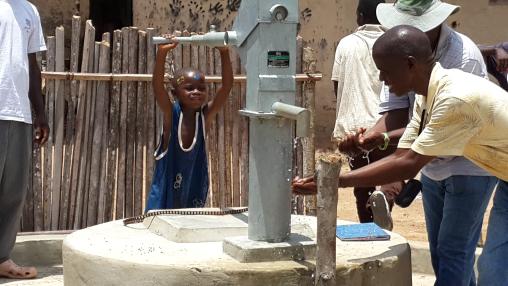
Climate-Smart Agriculture in Senegal
The World Bank, in collaboration with USAID, the CGIAR Research Program on Climate Change, Agriculture and Food Security (CCAFS), and CIAT, has continued its series on climate-smart agriculture (CSA) with a new country profile for Senegal . The profile takes an in-depth look at Senegal’s current agricultural and climate conditions and highlights several efforts that the Senegalese government is making to integrate climate change adaptation and mitigation strategies into its broader agricultural and economic development policy.
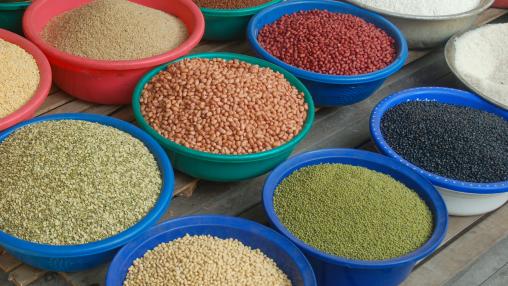
Climate-Proofing the Malabo Declaration
According to a 2014 report by the Intergovernmental Panel on Climate Change (IPCC), by 2050, the impacts of climate change and extreme weather events could increase hunger and child malnutrition by as much as 20 percent. This would mean an enormous setback in Africa’s progress toward the Sustainable Development Goals (SDGs) and could significantly slow the region’s economic development and growth.
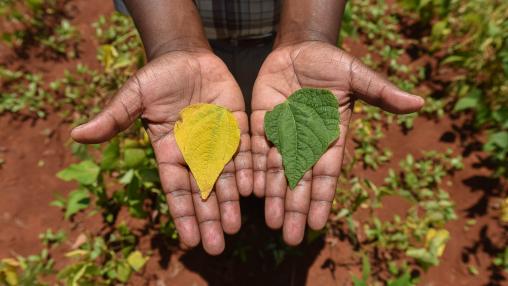
Climate Change Adaptation in Malawi
According to the World Bank, Malawi ranks among the countries in the world that are most vulnerable to the negative impacts of climate change, including exposure to drought, dry spells, and flooding. These extreme weather events can reduce the country’s agricultural production, threatening the livelihoods of millions of smallholder farmers and increasing food insecurity and poverty, especially in rural areas.
El Niño and Beyond: Policy Options to Increase Resilience to Weather Shocks
While the 2015-2016 El Niño cycle is not expected to significantly reduce global cereal production levels, according to a new IFPRI policy brief , the weather event is creating serious local food shortfalls in many regions of the world, including Africa south of the Sahara. To address this, the brief calls for careful monitoring of production and prices in the region, the promotion of more transparent international and domestic trade policies, and expanded coverage of safety nets and nutrition programs for poor households, as well as a longer term perspective toward improvement
How Africa Can Respond to Challenges of Climate Change, High Food Imports, Growing Young Population
This week, the FAO held its 29 th Regional Conference for Africa (ARC) in Abidjan, Côte d'Ivoire. The conference, a biennial event, provides a platform for policymakers and stakeholders to discuss agricultural development in the region, with the aim of promoting regional cooperation and coherent policies.