

Adapting to a Changing Climate: Adaptation Strategies in Nigeria
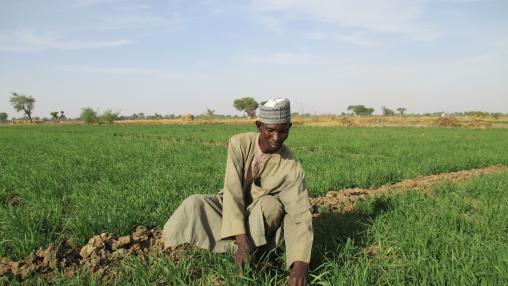
An estimated 23 percent of Nigeria’s GDP comes from agriculture, and as many as 70 percent of the nation’s labor force engages in the agricultural sector. At the same time, approximately 40 percent of Nigerians face poverty and food insecurity, driven in part by low agricultural productivity and low levels of technology adoption. With climate shocks expected to become more frequent and extreme, these smallholder households will be even more vulnerable to reduced agricultural productivity, loss of incomes and livelihoods, and food and nutrition insecurity.
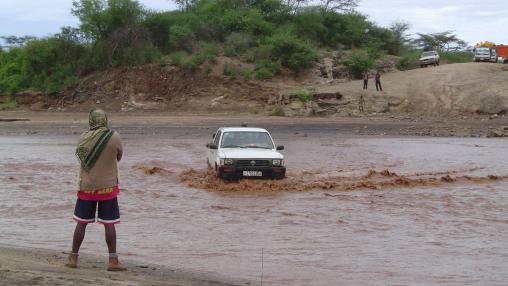
How Much Is Lost When Disaster Strikes? New FAO Report Looks at Impact on Agricultural Production, Food Security
Nearly US$ 4 trillion: That is the amount of global crop and livestock production the FAO estimates has been lost over the past three decades due to disaster events. According to the new report, “The impact of disasters on agriculture and food security,” this equates to an average loss of US$123 billion per year and as much as 5 percent of annual global agricultural GDP.
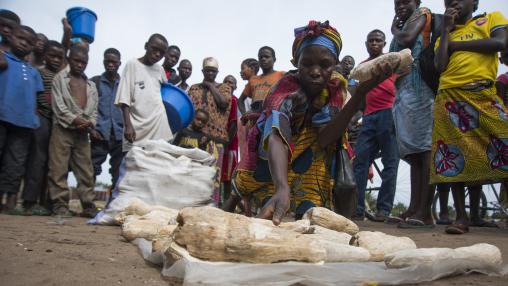
Acute Hunger Continues to Rise in Africa South of the Sahara: 2023 Global Food Policy Report Released
In Africa south of the Sahara, the share of the population facing food insecurity is more than double that of any other region in the world, according to IFPRI’s 2023 Global Food Policy Report: Rethinking Food Crises Responses. Approximately 282 million people in Africa south of the Sahara, or around 20 percent of the population, were undernourished and food-insecure in 2021.
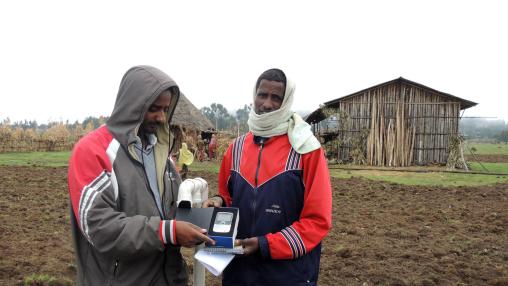
Developing and implementing Picture-Based Advisories (PBA) for farmers in Kenya
IFPRI’s picture-based insurance (PBI) initiative, recognized as a CGIAR@50 Innovation and active since 2016, relies on participating farmers to upload smartphone pictures of their fields at intervals throughout the growing season. In the event of bad weather, pests, disease, or other problems that harm the crops, the photos are used to assess the damage and trigger insurance payouts.
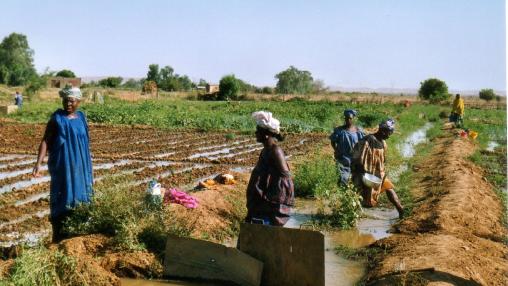
Climate Change and Household Food Access: The Case of Senegal
Throughout the Sahel region of West Africa, the majority of crops and livestock are produced during one main rainy season. Any disruptions to this season—like those caused, for example, by climate change-induced drought—can have significant negative impacts on incomes, food availability, and food security for both producers and consumers. A new article in Global Food Security examines these impacts at the household level in Senegal.
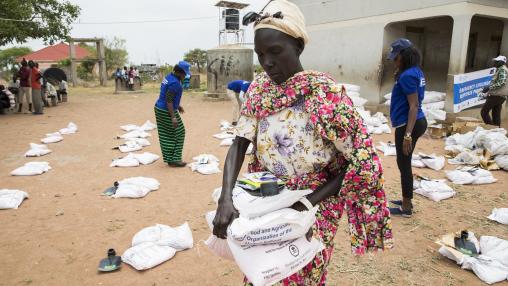
Policy responses to COVID-19: What worked and how to build resilience for the future
The COVID-19 pandemic has presented countries with enormous policy challenges. Policymakers have had to balance limited resources between health, food systems, and economies in a continually evolving public health emergency and an associated recession. Low-income countries have faced especially difficult choices because of their limited budgets and administrative capacity.
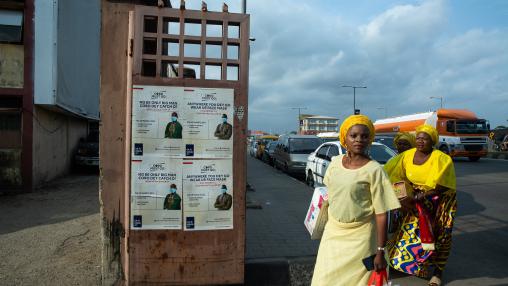
How should we measure food security during crises? The case of Nigeria
High-frequency monitoring of access to food has become especially important during the recent COVID-19 pandemic. Food access in Nigeria, and across the globe, has significantly worsened since the start of the pandemic due to significant disruptions to food supply chains and widespread loss of income. Poor access to food can have both short- and long-term impacts on health and wellbeing and is thus an important targeting criteria.
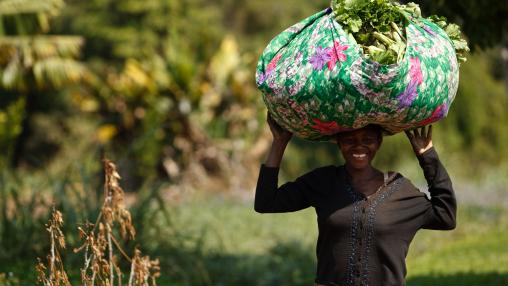
COVID-19 & African agricultural trade and food security
This piece originally appeared on IFPRI.org .
The COVID-19 pandemic has crippled a number of African agricultural exports, while dependency on food imports and lower purchasing power across much of the continent threaten to push millions more into food insecurity and poverty. A Sept. 17 IFPRI policy seminar , organized with the support of USAID, explored the interaction of the pandemic’s macroeconomic and microeconomic effects, and how Africa must grapple with global and regional markets in order to recover economically.
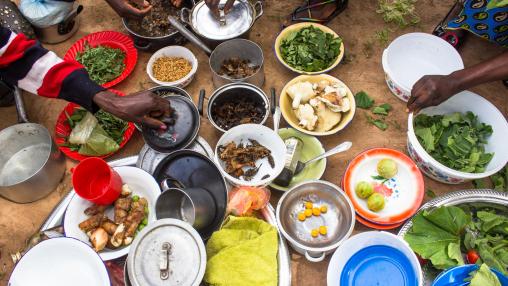
Interconnections in Sustainable Food Systems, Food Security, and Policies
By Obayelu Abiodun Elijah and Obayelu Oluwakemi Adeola
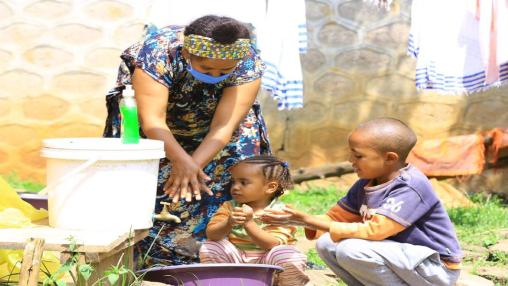
Food, Nutrition Insecurity Risk Could Rise in Ethiopia
By Kalle Hirvonen, Gashaw Tadesse Abate, and Alan de Brauw