
Webinar: Global Foresight Tool
Join the Food Security Portal (FSP), the International Food Policy Research Institute (IFPRI), and the CGIAR Research Program on Policies, Institutions, and Markets (PIM) in the launch of the global foresight tool Impacts of Alternative Investment Scenarios. The tool was recently developed by IFPRI’s IMPACT model team and the FSP. The Global Foresight tool provides researchers and policymakers with a flexible way to explore the impact of various agricultural investment scenarios on agricultural production, productivity, and hunger for the period 2010-2050.
Rurbanomics: The path to rural revitalization in Africa
This post first appeared on the D+C Development and Cooperation site and IFPRI.org.
The deadlines to achieve the Sustainable Development Goals (SDGs) and the Paris climate goals draw ever closer. The ambitious imperative of the SDGs is to “leave no one behind.” The implication is that we must urgently revitalize rural areas, especially in Africa south of the Sahara. Now is the time for a dramatic, system-wide transformation to make rural areas more productive, more sustainable, more climate-resilient, healthier and more attractive places to live.
Agricultural growth to spur economic growth
This post first appeared on AllAfrica.com .
By: Danielle Resnick, Xinshen Diao, Peter Hazell, and Shahidhara Kolavalli
Ghana has been viewed as one of Africa's political and economic success stories, from maintaining a multi-party democracy, peace and social cohesion to reducing poverty and growing its middle class. Yet, despite 30 years of continuous growth in per capita income and rapid urbanization, the country has not been able to industrialize and most of the workforce is either trapped in traditional agriculture or low-productivity jobs in the services sector.
Investing in rainfall research in the Sahel
This post originally appeared on the IFPRI-WCAO blog.
The prolonged heatwave of summer 2018 has devastated crops across Europe, leaving some countries facing their worst harvests since the end of World War II.
The hot temperatures and lack of rainfall, especially in central and Eastern Europe, has forced major exporting countries to import food for the first time in decades. Some countries are facing rising food prices as a result, while others, such as the UK, experience fruit and vegetable shortages in supermarkets.
Malawi's FIRP Program and Maize Prices
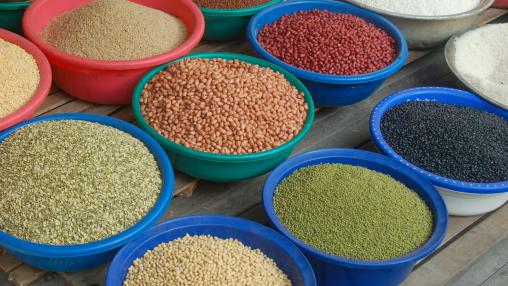
In April 2016, the President of Malawi declared a state of emergency in response to the second consecutive year of failed maize harvests. Domestic maize production in early 2016 only reached 2.4 million metric tons, compared to the 3.2 metric tons harvested in an average year. The international aid community and the private sector responded with the Food Insecurity Response Program (FIRP), which provided aid to almost 40 percent of the Malawian population.
Incentives for conservation agriculture adoption
This post originally appeared on the IFPRI.org blog .
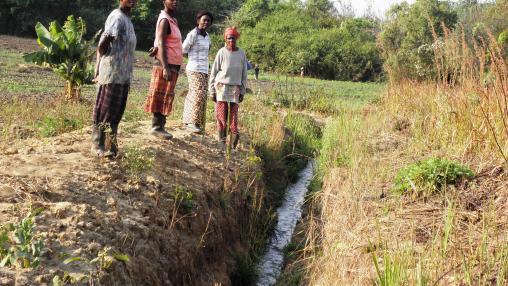
B Andrew Reid Bell, Patrick Ward, Lawrence Mapemba, Tim Benton, Klaus Droppelmann, Jennifer Zavaleta Cheek, Frazer Mataya, and Oliver Pierson
Climate Change Adaptation
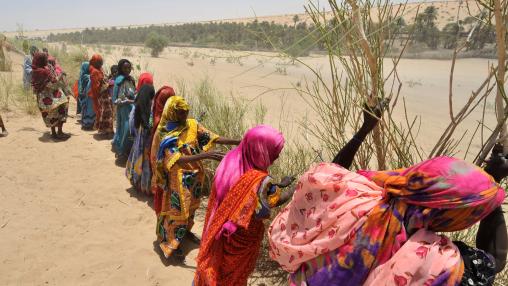
As climate change continues to bring more frequent weather shocks, such as drought and flooding, and make rainfall patterns more erratic, smallholder farmers in developing regions like Africa south of the Sahara are often hardest hit. A new e-book from IRIN reports that mean temperatures in the region are expected to rise faster than the global average, leading to reduced agricultural yields and increased poverty and food insecurity.
Ethiopia to Face High Food Insecurity in 2018
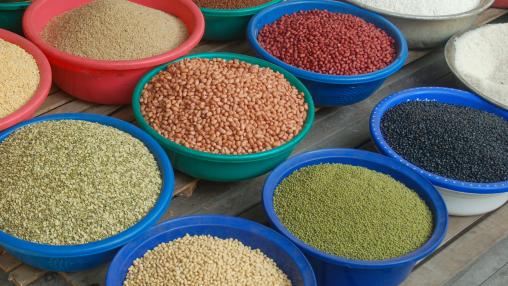
Ethiopia will continue to face significant food insecurity in 2018, according to several recent reports from FEWS Net and FAO GIEWS.
Famine Risk Remains High in Several African Countries
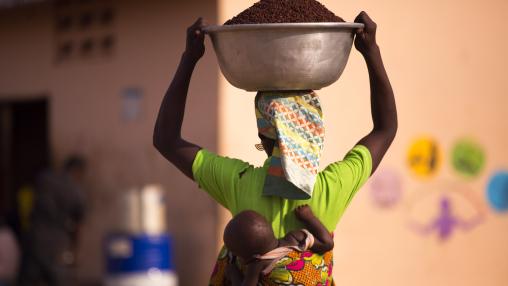
Several countries in Africa south of the Sahara faced the threat of famine and high food assistance needs in 2017, and FEWS Net is reporting that little change is expected in the coming year .
2017 Global Hunger Index Released
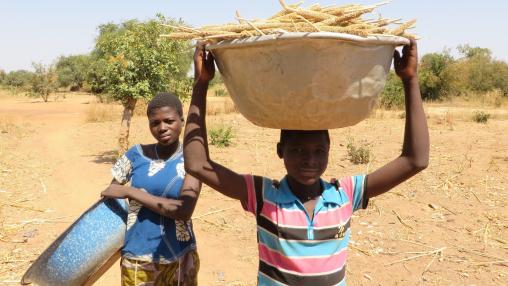
Hunger levels in Africa south of the Sahara remain among the highest in the world, according to the latest Global Hunger Index (GHI) , released today by IFPRI, Concern Worldwide, and Welthungerhilfe.