




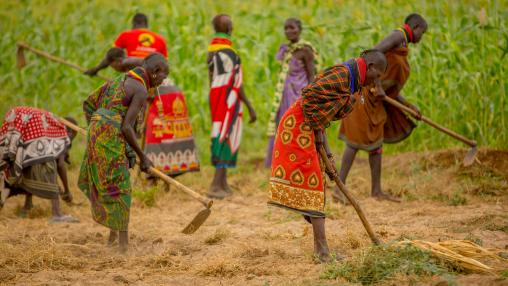
From risk to resilience: How strategic government partnerships can enhance access to insurance-linked credit for smallholders in Zambia
Smallholder farmers across the globe produce over a third of the world’s food supply, yet they receive a disproportionately small share of global climate finance. A 2020 report released by the UN’s International Fund for Agricultural Development (IFAD) and Climate Policy Initiative (CPI) shows that less than 2% of international climate finance, amounting to approximately $2 billion, was allocated to smallholder farmers in 2017/2018.
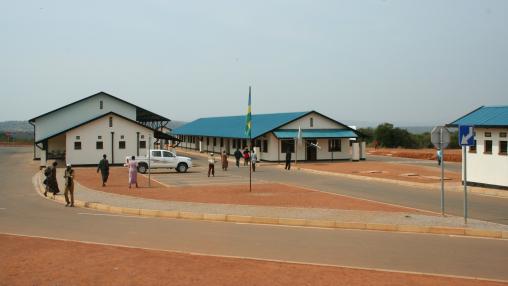
Resilience in Rwanda: New Brief Looks at Impact of Economic Shock
On January 12, 2024, trade between Rwanda and Burundi came to a halt when the border crossing was unexpectedly closed. Food prices in Rwanda may have been expected to fluctuate more than normal as a result—both falling prices for commodities typically exported to Burundi that instead began flooding local markets and rising prices for commodities typically imported from Burundi that faced suddenly limited local supply.
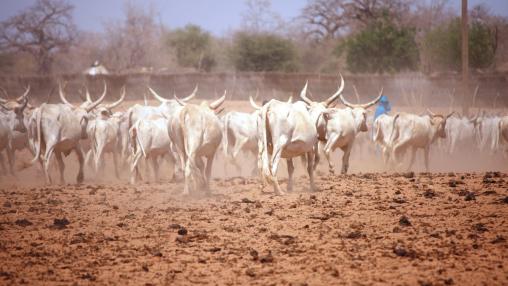
Acute Food Insecurity Expected to Rise in West Africa and the Sahel
Food insecurity is escalating in West Africa and the Sahel region, according to the latest Regional Report on Food Security and Nutrition in West Africa and the Sahel (RRSAN) from the Food Security Information Network (FSIN). Between June and August 2024, as many as 50 million people across 16 countries could face CH Phase 3 (Crisis) or above food insecurity.
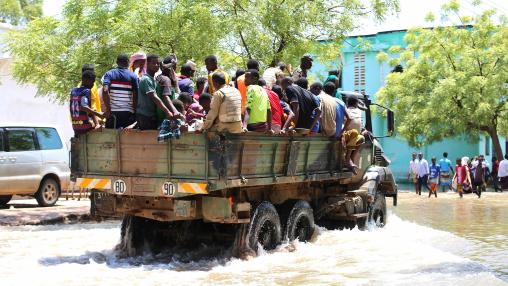
Increasing Resilience in the Face of Climate Shocks: Evidence from Somalia
In October 2023, the Baidoa district of Somalia experienced severe flooding, impacting more than 120,000 people, including nearly 100,000 internally displaced people. In a new IFPRI learning brief, researchers explore how this extreme weather event affected households in the area and how the country’s Ultra-Poor Graduation (UPG) intervention can play an enhanced role in protecting vulnerable populations from future shocks.
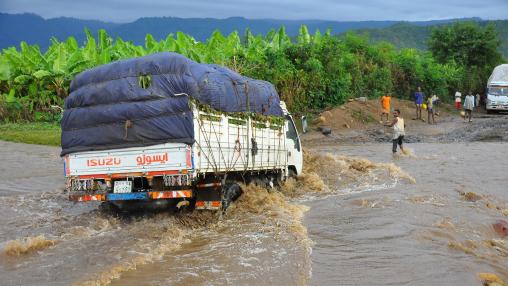
Mitigating Climate Change in Ethiopia: Policies and Priorities
Ethiopia is in the midst of the worst drought in the past 40 years, with six consecutive failed or below-average rainy seasons in the country’s pastoral areas. At the same time, flooding in other regions has disrupted livelihoods and caused widespread damage to lands and infrastructure. Climate shocks like these have been a major contributing factor to Ethiopia’s recent economic reversals, says a new report from the World Bank Group, and strong government action is needed to prepare for and adapt to an uncertain climate future.
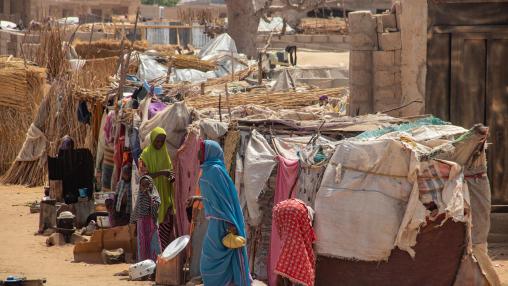
Conference: Navigating Sudan’s conflict – research insights and policy implications
Since the onset of civil war in April 2023, millions of people in Sudan have suffered from loss of livelihoods, destruction of infrastructure, and disruption of essential services. With the war still underway, Sudan is facing the world's largest displacement crisis—with 6.5 million displaced people internally and another 1.7 million driven into neighboring countries—and a surge in acute food insecurity, soaring poverty levels, and extensive losses in income, employment, and productive assets.
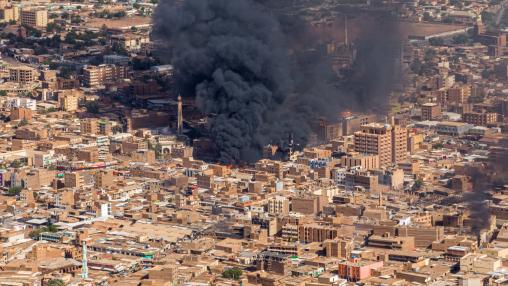
Conflict Driving Acute Hunger in Sudan, Burkina Faso
As noted in the Global Report on Food Crisis Mid-Year Update, conflict remains one of the major causes of food crises worldwide. Two recent alerts from FEWS Net echo this finding in both East and West Africa, where conflict is driving acute levels of food insecurity and hunger in both Sudan and Burkina Faso.
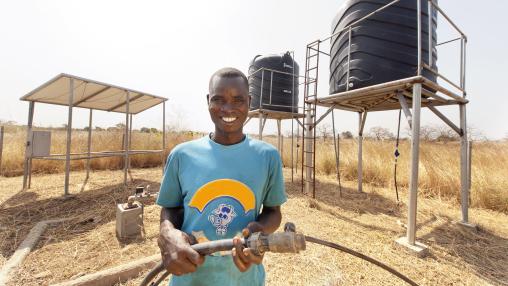
Africa's Food Systems on Cusp of Transformation: 2023 ATOR Released
As 2025 – the deadline for the Malabo Declaration commitments – approaches, African policymakers are taking stock of the region’s progress toward the Comprehensive Africa Agriculture Development Programme (CAADP) framework for agriculture-led growth and development and determining what CAADP implementation will look like post-Malabo. The 2023 ReSAKSS Annual Trends and Outlook Report (ATOR) examines these questions, with a particular emphasis on the future of Africa’s food systems.
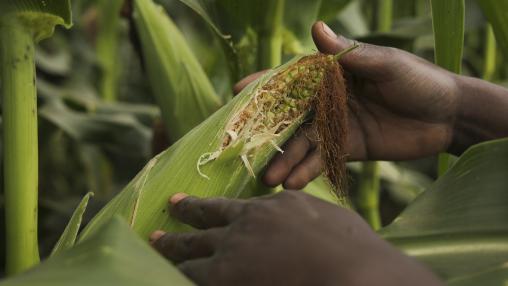
Hunger in Malawi: The El Niño Effect
The El Niño phenomenon, occurring on average ever 2-7 years, often causes reduced precipitation and drier-than-average weather in Malawi. These conditions in return result in poor agricultural conditions and reduced harvests. A new project paper from the Malawi Strategy Support Program examines the extent of El Niño’s effects on agriculture and identifies pathways to mitigate the subsequent impacts on hunger levels in the country.
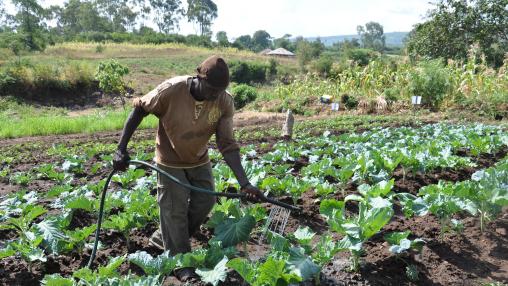
Climate Risk to Resilience: Financing adaptation in African countries
A caricature of the situation in climate finance, particularly regarding Africa, is a classic vicious circle: Climate finance is not flowing because of the lack of bankable investment plans; the lack of investment plans is due to a lack of faith that climate finance will flow.