


Recurring shocks and persistent structural vulnerabilities are making food crises more protracted: Global Report on Food Crises released today
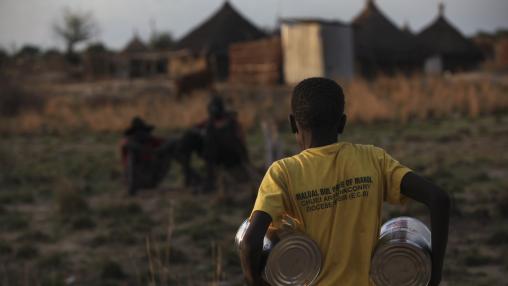
Over the past 10 years, food and nutrition crises have shifted from one-off emergencies to protracted conditions in many regions around the world, according to the 2026 Global Report on Food Crises (GRFC) released today. Since 2016, the global share of people facing acute food insecurity has nearly doubled. In 2025, 266 million people across 47 countries/territories experienced acute food insecurity; what’s more, 33 of those countries have appeared in every GRFC edition released since the report’s inception in 2016.
HARMONIZING AGRI-FOOD SYSTEMS (AFS) DATA FOR REPORTING AND EVIDENCE-BASED POLICY MAKING IN RWANDA
Rwanda’s agrifood system is identified as an interconnected ecosystem of actors and activities extend across various food system’s stages, from production, processing, distribution, consumption, to waste management. It is central to the country’s structural transformation driving food and nutrition security, livelihood improvement, and sustainable economic growth. Current data indicate that the AFS makes up nearly two-fifths of GDP and accounted for more than 60% of total employment in 2022 (Xinshen Diao et al, 2025).
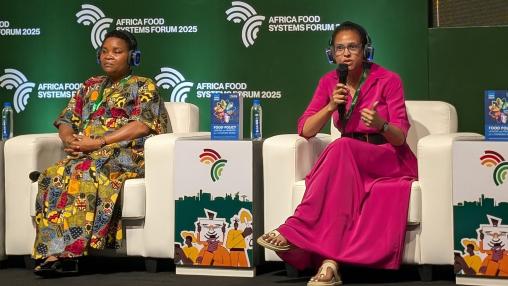
IFPRI 2025 Global Food Policy Report Africa launch: Charting a course for agrifood system transformation
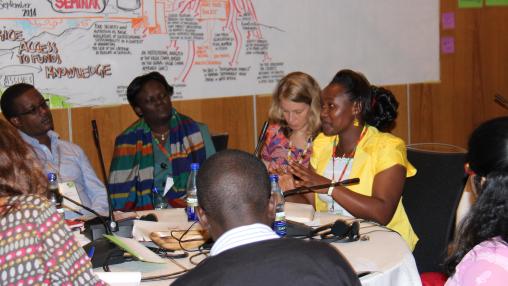
IFPRI’s 2025 Global Food Policy Report (GFPR) focuses on lessons learned over the institute’s 50 years of existence and how these can be applied to today’s challenges of transforming food systems to be sustainable, healthy, and equitable. Its insights are particularly valuable for Africa, which has tremendous potential for sustainable agricultural growth, yet faces many obstacles.
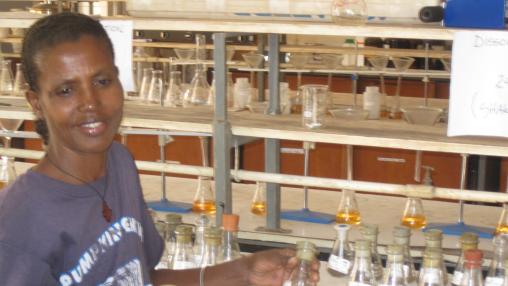
Using Local Knowledge to Enhance Food Systems Resilience
With food crises on the rise, with an estimated 295.3 million people facing high levels of acute food insecurity in 2024. In the face of these stark hunger levels, policymakers, humanitarian organizations, development practitioners, and private sector actors urgently need knowledge about how to effectively enhance the resilience of local and regional food systems.

How good are livestock statistics in Africa? Evidence from Ethiopia
Livestock supports the livelihoods of around 1 billion people in low- and middle-income countries (LMICs) (Thorne and Conroy 2017, Baltenweck et al. 2020). However, growth and productivity of the livestock sector in many LMICs are not keeping pace with the increasing demand for animal-source foods. Boosting the sector’s productivity is crucial for poverty reduction in LMICs, which continue to face multifaceted challenges and shocks that threaten the sustainability of food systems.
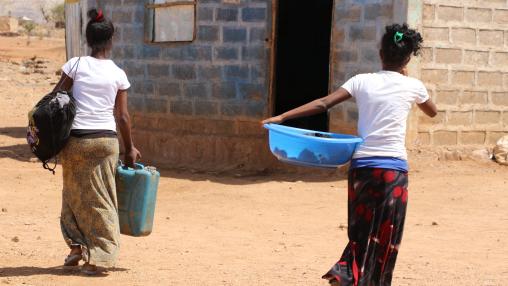
Millions Face Rising Acute Food Insecurity, According to New FAO-WFP Report
Millions of people across 22 countries and territories may be pushed into acute food insecurity by May 2025, according to the latest FAO-WFP Hunger Hotspots Report. Ongoing and increasing conflict in many areas of the world, along with economic hardships and extreme weather caused by climate change and the La Niña phenomenon, are behind this significant increase in both the magnitude and the severity of acute food insecurity.
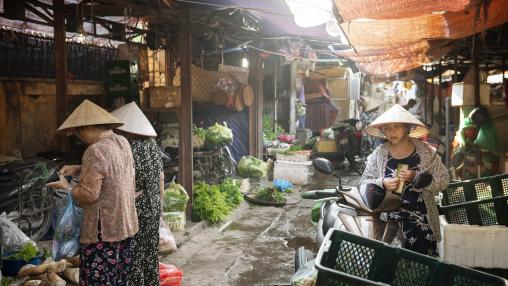
Evaluating impacts: Lessons from food systems interventions across Africa and Asia
Food systems play an important role in shaping our diets. Recently, there has been growing attention to food systems transformation, which involves changing different components of global food systems to make nutritious foods more accessible to consumers. At the 2021 UN Food Systems Summit, more than 100 countries pledged to transform their food systems, a clear recognition of the importance of healthy diets in preventing all forms of malnutrition worldwide.
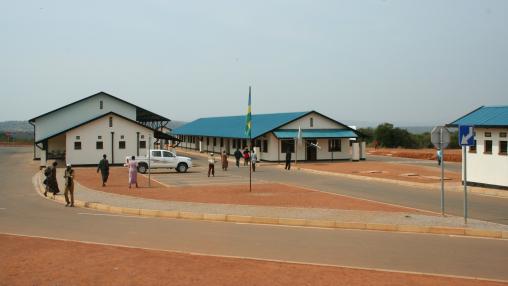
Resilience in Rwanda: New Brief Looks at Impact of Economic Shock
On January 12, 2024, trade between Rwanda and Burundi came to a halt when the border crossing was unexpectedly closed. Food prices in Rwanda may have been expected to fluctuate more than normal as a result—both falling prices for commodities typically exported to Burundi that instead began flooding local markets and rising prices for commodities typically imported from Burundi that faced suddenly limited local supply.
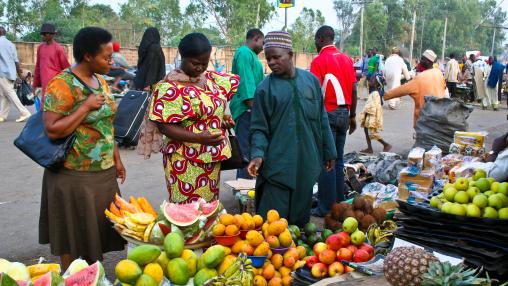
Launch of the Nigeria Food Security Simulator
The CGIAR Initiative on National Policies and Strategies Nigeria has released the new Nigeria Food Security Simulator. This Excel-based tool allows users to estimate short-term impacts of household-level income or food price shocks and related policy decisions on diets and food security in the country.
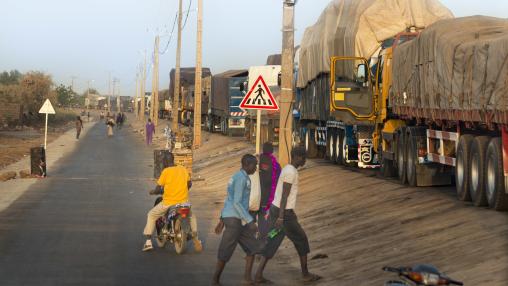
New Database Provides Improved Look at Intra-Regional Trade in West Africa
Trade plays a critical role in economic development and agricultural transformation. However, reported intra-regional trade in Africa south of the Sahara (SSA) has historically been quite low, potentially impacting poverty, livelihoods, and food security in the region. Over the past decade, policymakers have set out to change this, signing the 2014 Malabo Declaration that aims to triple intra-African trade in agricultural goods by 2025 and establishing the African Continental Free Trade Agreement to remove barriers to cross-border trade.