


How African economies are absorbing the 2026 oil price shock (so far)
Oil prices began climbing in January 2026 amid the escalating U.S. and Israeli confrontation with Iran, then spiked when war broke out on February 28 and Iran closed the Strait of Hormuz. Brent crude rose by roughly 70% within weeks. By June, a fragile ceasefire had brought prices part of the way back down. Whether the calm holds depends on further diplomatic negotiations between the warring parties. Whatever the negotiators do next, this shock continues to stress economies and food systems around the world, though effects vary by region and country.
Adaptive Crop Management and Agroforestry: Best Practices to Strengthen Household Resilience to Climate Shocks (Focus on Burkina Faso)
Soil and Water Conservation Practices: Best Practices to Strengthen Household Resilience to Climate Shocks (Focus on Burkina Faso )
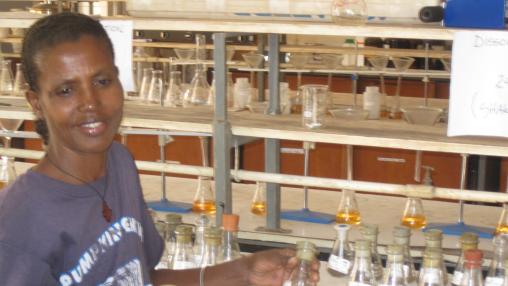
Using Local Knowledge to Enhance Food Systems Resilience
With food crises on the rise, with an estimated 295.3 million people facing high levels of acute food insecurity in 2024. In the face of these stark hunger levels, policymakers, humanitarian organizations, development practitioners, and private sector actors urgently need knowledge about how to effectively enhance the resilience of local and regional food systems.
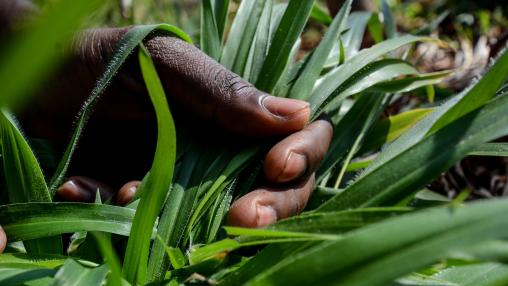
The future of Africa's food security policy: 2025 Global Food Policy Report released
The past forty years have brought both progress and new challenges for African agriculture. While overall per capita food supplies have become more stable and agricultural productivity has improved, the region’s dependence on food imports has increased, from 39 percent between 1985-2000 to 46.6 percent between 2016-2023. In addition, the food security, livelihoods, and overall well-being of wide swathes of Africa’s population remain more vulnerable than ever before to the negative impacts of climate change, political instability and conflict, and economic shocks.
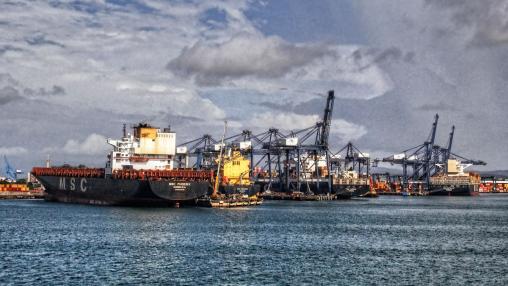
New U.S. tariff policies: What’s at stake for sub-Saharan Africa?
Current U.S. trade policies—though primarily focused on major global players including China, the European Union, and North American partners Canada and Mexico—also have economic consequences for smaller countries and regions around the world. In sub-Saharan Africa (SSA), these impacts will be felt both directly, through newly imposed tariffs, and indirectly, as collateral damage in a potential trade war between the world’s largest economies.
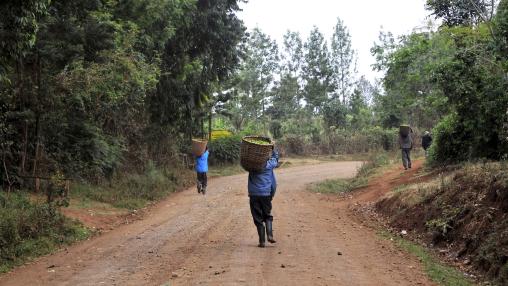
Food Self-Sufficiency Not Enough for Food Security, New Research Suggests
Does Africa need food self-sufficiency to achieve long-term food security?
Not necessarily, according to new research from IFPRI.
With food security continuing to deteriorate across the region and an estimated 600 million people expected to be chronically undernourished by 2030, shoring up Africa’s food and nutrition security has become a priority for the region’s policymakers. This perceived need has been further highlighted by recurring shocks to global food markets, including the 2008 food crisis, the COVID-19 pandemic, and the Russia-Ukraine war.
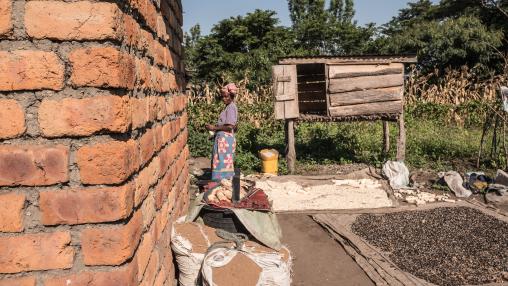
Reducing food loss and waste to address climate change in Africa, Latin America, and South Asia
The problem of food loss and waste (FLW) undermines global food and nutrition security and makes a significant contribution to climate change, primarily through greenhouse gas (GHG) emissions. Reducing or minimizing FLW requires coordinated action to align stakeholders, promote responsible investments, and incentivize sustainable agricultural practices.
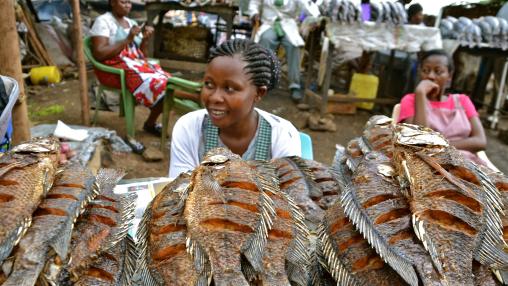
Trade can support climate change mitigation and adaptation in Africa’s agricultural sector, new data shows
The latest Africa Agriculture Trade Monitor (AATM) indicates that intra-African agricultural trade has already reached a new high of US$ 17 billion, finally surpassing its previous 2013 peak, which was reached after a tripling of growth the decade prior. This recent surge, despite the disruptions and aftereffects of COVID-19, must be further accelerated through additional policy and infrastructure support, as well as intra-regional trade facilitation, argue the authors.
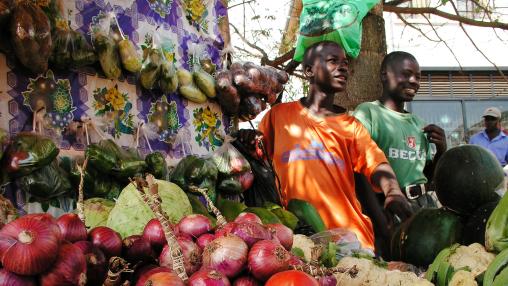
Political Commitment to Improved Nutrition Grows in Africa But Significant Challenges Remain: 2024 GFPR Released
The transformation of African food systems to support healthy, sustainable diets presents a significant challenge, according to the 2024 Global Food Policy Report released in May. Cereal production remains the key driver of the region’s domestic food systems, while more nutrient-dense foods like fruits, vegetables, pulses, meat, and dairy remain unaffordable for much of the region’s population. Africa also faces a double burden of malnutrition, with both undernutrition and overnutrition (overweight/obesity) rates increasing.