




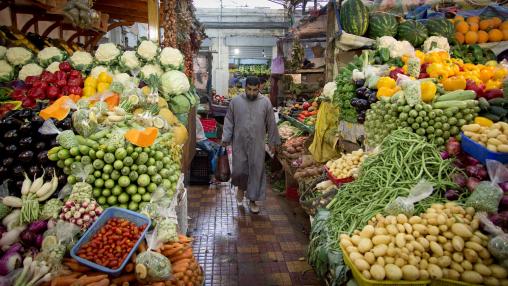
Transforming African Agriculture through Inclusive Agricultural Value Chain Development
Africa’s agricultural sector has the potential to drive important economic growth and development in the region. Agriculture accounts for 16 percent of Africa’s annual GDP and employs over half of its labor force, particularly youth and women workers. Despite the sector’s vast potential, however, African agriculture remains hampered by low resource productivity and little or no value addition; shocks like climate change, ongoing regional and local conflict, and supply and market disruptions resulting from the COVID-19 pandemic and global conflicts have only exacerbated these challenges.
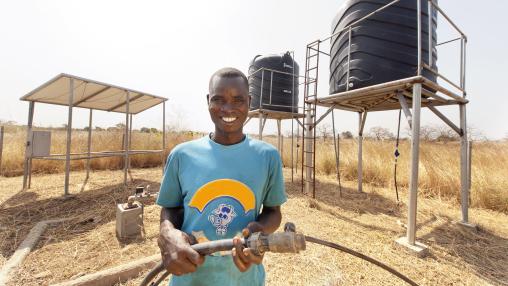
Africa's Food Systems on Cusp of Transformation: 2023 ATOR Released
As 2025 – the deadline for the Malabo Declaration commitments – approaches, African policymakers are taking stock of the region’s progress toward the Comprehensive Africa Agriculture Development Programme (CAADP) framework for agriculture-led growth and development and determining what CAADP implementation will look like post-Malabo. The 2023 ReSAKSS Annual Trends and Outlook Report (ATOR) examines these questions, with a particular emphasis on the future of Africa’s food systems.
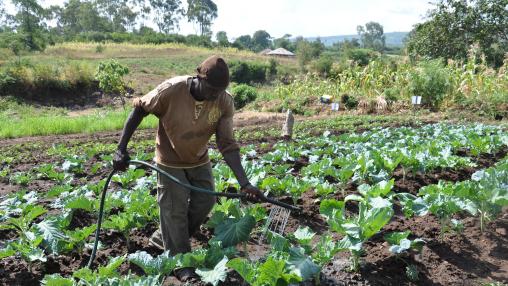
Climate Risk to Resilience: Financing adaptation in African countries
A caricature of the situation in climate finance, particularly regarding Africa, is a classic vicious circle: Climate finance is not flowing because of the lack of bankable investment plans; the lack of investment plans is due to a lack of faith that climate finance will flow.
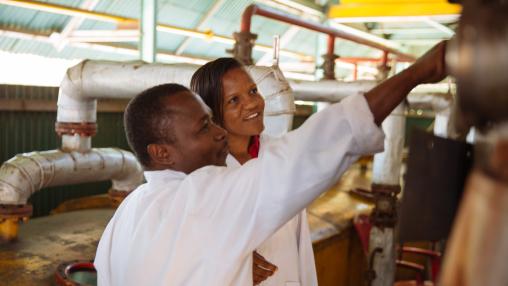
Food System Transformation Will Take Strong Coordination and Political Will, Says 2023 Africa Agriculture Status Report
Food systems in Africa have the potential to drive dramatic economic, food security, and environmental transformation in the coming decades, according to the 2023 Africa Agriculture Status Report (AASR). Realizing this potential, however, will require significant political will and investment, from both the public and the private sectors, in infrastructure, open trade, research and development, technological innovation, and enhanced education and opportunities for Africa’s rapidly expanding young population.
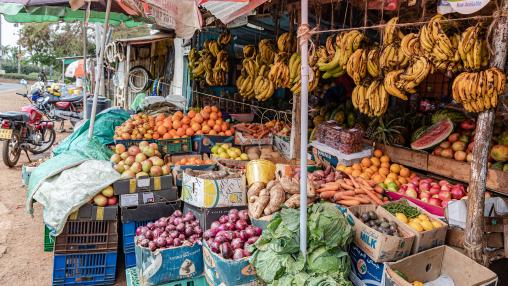
Webinar Insights: Policy implications for the growing supply and demand of nutrient-dense foods in Africa
The supply and demand of fruits, vegetables and animal products is often insufficient and too expensive for most consumers in sub-Saharan Africa. However, recent evidence suggests that both the production and consumption of these nutrient-dense products is rapidly growing. What are the policy implications of this? And what can governments do to stimulate more inclusive and sustainable domestic value chains?
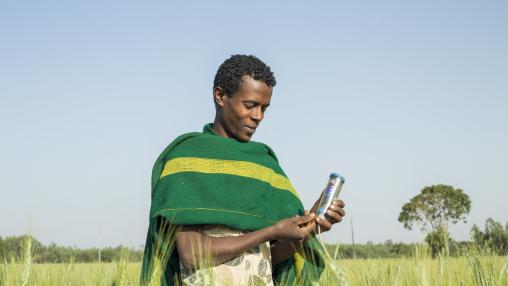
‘Miracle seeds,’ informational curses? The risk of high expectations for new agricultural technologies
Over the next few decades, farmers in sub-Saharan Africa will need to produce more food on less land and under increasingly difficult climatic conditions. The use of climate-smart agricultural practices and improved technologies such as higher-yielding and drought-tolerant crop varieties are thought to be at least part of the solution. Unfortunately, concerns are rising that the use of improved inputs and technologies across the region now seems to be stagnating—or at least advancing at a slower pace than required.
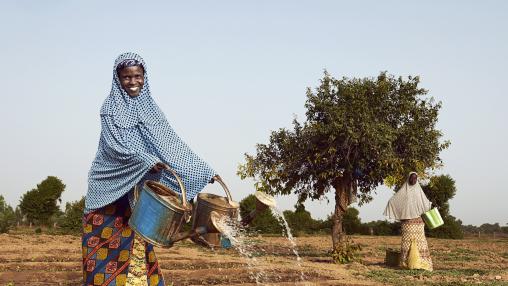
How to Increase Gender Equity in Agriculture: New Evidence from Malabo Montpelier Forum
The twelfth annual Malabo Montpelier Forum was held on June 8 and centered on a new report from the Malabo Montpelier Panel: Bridging the Gap: Policy Innovations to Put Women at the Center of Food System Transformation in Africa. According to the report, nearly two-thirds of African women play a role in the region’s agrifood system.
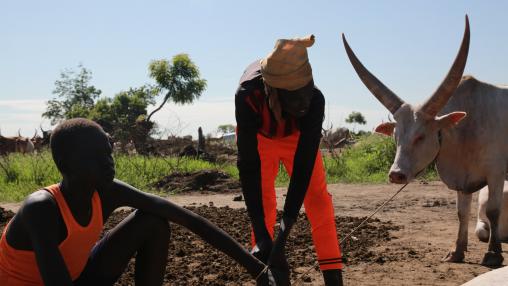
Humanitarian Crisis Continues in Horn of Africa
The eastern Horn of Africa continues to experience acute hunger and food insecurity, according to FEWS Net. The region has faced multiple shocks in recent years, including a historic five-season drought, multiple conflicts, and economic shocks; all of these factors have contributed to drastically lowering agricultural and livestock productivity, reducing livelihoods, and driving poor populations into ever-worsening hunger.
Famine Averted, But Somalia Still at Risk
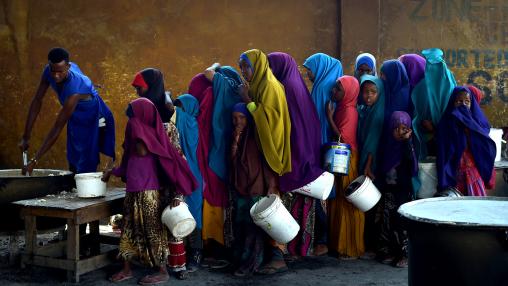
Somalia will likely avoid widespread famine, due to scaled up humanitarian assistance and marginally improved rainfall; however, the situation within the country remains critical. After three consecutive years of drought, millions of Somalis are facing acute food insecurity and hunger, and the risk of famine remains in several areas of the country.
Developing and implementing Picture-Based Advisories (PBA) for farmers in Kenya
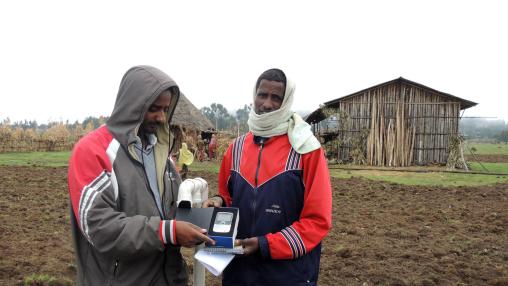
IFPRI’s picture-based insurance (PBI) initiative, recognized as a CGIAR@50 Innovation and active since 2016, relies on participating farmers to upload smartphone pictures of their fields at intervals throughout the growing season. In the event of bad weather, pests, disease, or other problems that harm the crops, the photos are used to assess the damage and trigger insurance payouts.