
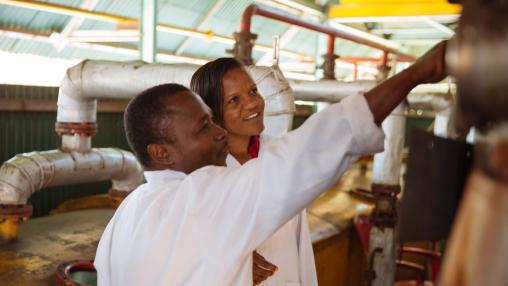
Potentials and Pitfalls in Africa's Agrifood Processing Sector
The sustainable transformation of Africa’s agrifood processing system has been increasingly recognized as crucial to ensuring the region’s food security, reducing poverty rates, and supporting economic development. The ReSAKSS 2022 Annual Trends and Outlook Report (ATOR) takes an in-depth look at the status of the system, as well as the major challenges threatening further development and policies that can support sustainable growth in Africa’s agrifood sector.
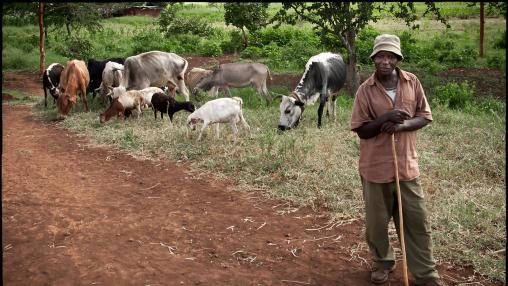
Improving Food Security In Africa Through Water Harvesting Technologies
Agriculture remains a critical sector in Africa's socio-economic development and growth. This is because smallholder farming in Africa accounts for more than 60% of Africa's population and approximately 23% of Africa's gross domestic product (GDP).[1] Water availability and access are vital inputs for agricultural production and food security. As such, crops, vegetables, and animal rearing require water to enhance essential food production.[2] However, in many parts of the African continent, there is persistent limited access to quality water.
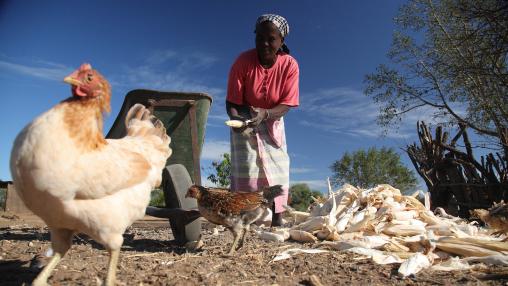
Market System Development Interventions Prove Effective in Improving Agricultural Productivity in Mozambique
An innovative market system development (MSD) intervention in Mozambique has helped increase use of agricultural inputs and access to critical market information among smallholder farmers, according to a new policy brief released by IFPRI. These results extended beyond the direct beneficiaries as well, highlighting the potential for such interventions to provide wide-ranging benefits.
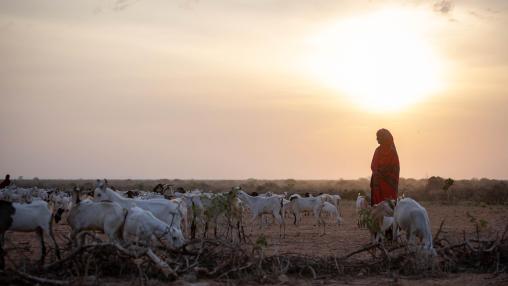
Hunger Levels Continue on the Rise: 2022 Global Hunger Index Released
Over the past two years, the impacts of ongoing regional conflicts, climate change, the COVID-19 pandemic, and the Russian-Ukraine war have drastically weakened the world’s already inadequate, unsustainable food systems. This confluence of factors has induced in supply chain disruptions and high and volatile prices for food, fertilizer, and fuel, and the result has been the third global food crisis in less than two decades.
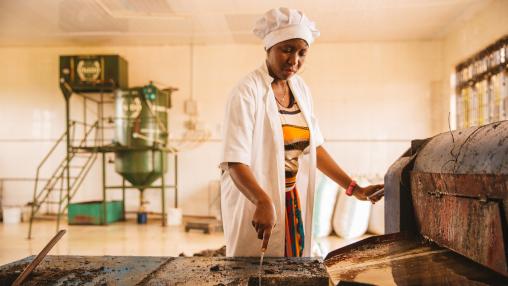
Agrifood Processing Presents Opportunities for African Farmers, But Challenges Remain
The recently released 2022 ReSAKSS Annual Trends and Outlook Report (ATOR) takes an in-depth look at Africa’s agrifood processing sector, including its current status, its challenges, and its opportunities.
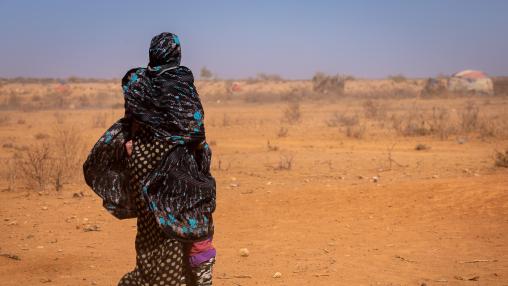
Urgent Aid Needed in Horn of Africa As Famine Threat Grows
The Horn of Africa is facing a fifth consecutive season of severe drought, with extreme dry conditions expected to extend through May 2023, according to a new alert released by FEWS Net. The situation has significantly increased the likelihood of famine in the region, and global action is needed urgently to address the growing humanitarian crisis.
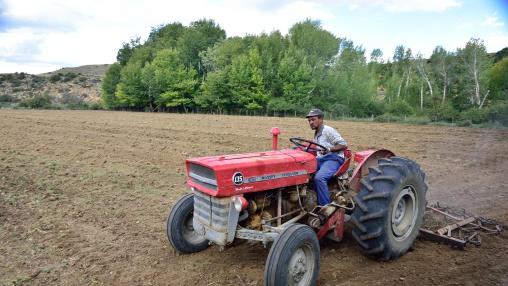
Substantial Investment, Increased Coordination Needed to Achieve SDGs: 2022 Africa Agricultural Status Report Released
Food systems around the world have experienced numerous shocks in the past two years, and African food systems are no exception. The impacts of the COVID-19 pandemic, global and local supply chain disruptions, climate change, and the Russia-Ukraine conflict have placed enormous pressure on food and nutrition security in the region, threatening the likelihood that Africa will achieve the Sustainable Development Goals (SDGs) by 2030.
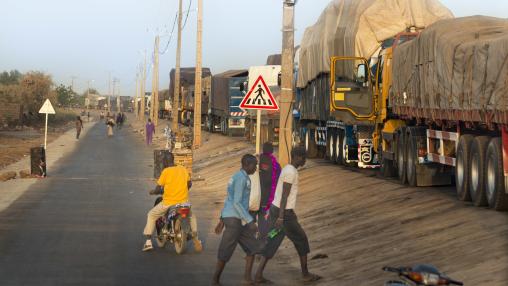
New Database Provides Improved Look at Intra-Regional Trade in West Africa
Trade plays a critical role in economic development and agricultural transformation. However, reported intra-regional trade in Africa south of the Sahara (SSA) has historically been quite low, potentially impacting poverty, livelihoods, and food security in the region. Over the past decade, policymakers have set out to change this, signing the 2014 Malabo Declaration that aims to triple intra-African trade in agricultural goods by 2025 and establishing the African Continental Free Trade Agreement to remove barriers to cross-border trade.
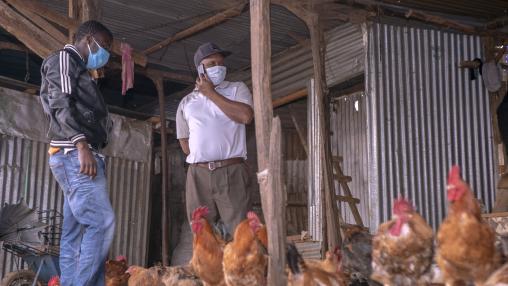
COVID-19, Food Access, and Food Insecurity in Rural Africa
The COVID-19 pandemic continues to have wide-ranging impacts on living standards, poverty, food insecurity, and economic stability across the globe. For low-income regions like Africa south of the Sahara (SSA), these impacts are particularly devastating. Many countries in SSA struggled with food insecurity before the outbreak of COVID-19, and the pandemic has only exacerbated those challenges by disrupting domestic food value chains, reducing remittances and other income, and lowering populations’ purchasing power and food access.
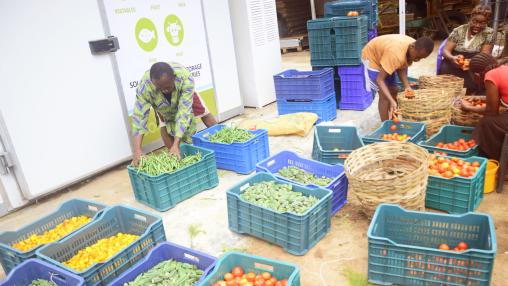
Supporting the Hidden Middle: How Enabling Midstream SMEs Can Strengthen Agri-Food Value Chains
Small and medium enterprises (SMEs) in the midstream of agrifood value chains—wholesalers, logistics, and processors—play a critical role to food security and value chain transformation. These enterprises help keep food supplies affordable and stable, provide employment and income for millions of rural and urban workers, and improve food quality and safety for consumers. However, in South Asia, Africa south of the Sahara (SSA), and other developing regions, SMEs often don’t play a role in the food system transformation conversation.