




Global Report on Food Crises 2021: Building resilience to prevent food crises and conflict
Acute food insecurity continued to rise in 2020, driven by the pandemic shock, ongoing conflicts, and extreme weather. The number of people needing urgent food and livelihood assistance hit a five-year high. The 2021 Global Report on Food Crises (published by the Food Security Information Network for the Global Network Against Food Crises) finds that at least 155 million people experienced acute food insecurity at crisis level or worse — up about 20 million from 2019.
Malawi Discussion of IFPRI’s 2021 Global Food Policy Report: Transforming Food Systems After COVID-19
In the 2021 Global Food Policy Report, IFPRI researchers and experts explore the impacts of the pandemic and government policy responses to date, particularly for the poor and disadvantaged, and consider what it all means for transforming our food systems to be healthy, resilient, efficient, sustainable, and inclusive.
Early Warning and Resilience Systems in Sub-Saharan Africa
This webinar will share innovative advances in two projects focusing on early warning, climate change, resilience and food security in Sub-Saharan Africa. The two projects, one in East Africa and the other in Southern Africa, are as follows:
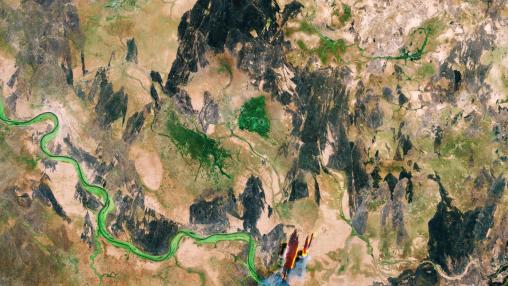
Upcoming webinar: “Satellite Imagery for Early Warning of Productivity Constraints”
Webinar hosted by the Food Security Portal with support by the Harvest Consortium
Date: October 31, 2019 at 11:00AM EST
Background
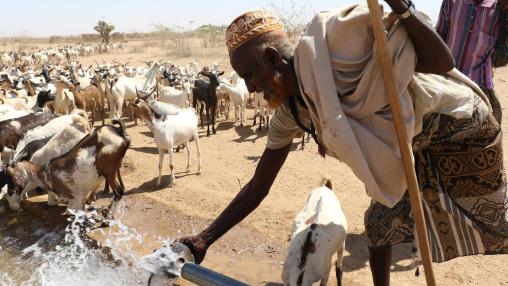
Increasing resilience to climate shocks
This post originally appeared on IFPRI.org .
By Claudia Ringler and Turhan Saleh
Extreme weather events and other climate change-linked disasters have devastated communities globally: Be it cyclones along the coast of Southern Africa, flooding in parts of Canada, drought-induced wildfires in California, or the recent El Niño (ENSO) induced drought in Eastern and Southern Africa that affected 60 million people.
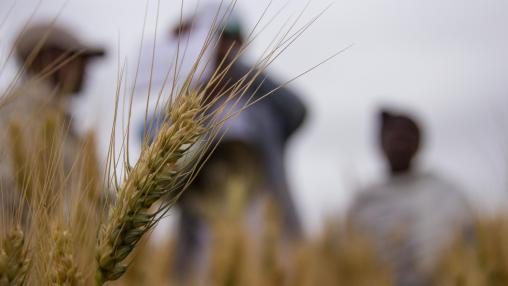
Direct Seed Marketing in Ethiopia
By: Swati Malhotra, IFPRI
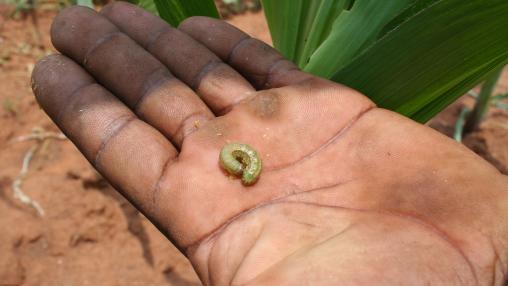
Fall Armyworm Threat Continues
As fall armyworm continues to spread across Africa, policymakers and development partners have increased their efforts to stop the pest’s reach and to mitigate its impact on the region’s agricultural production and food security.
Climate Change Adaptation
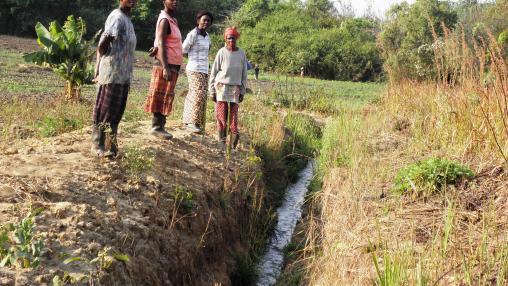
As climate change continues to bring more frequent weather shocks, such as drought and flooding, and make rainfall patterns more erratic, smallholder farmers in developing regions like Africa south of the Sahara are often hardest hit. A new e-book from IRIN reports that mean temperatures in the region are expected to rise faster than the global average, leading to reduced agricultural yields and increased poverty and food insecurity.
Agriculture's Complex Tasks
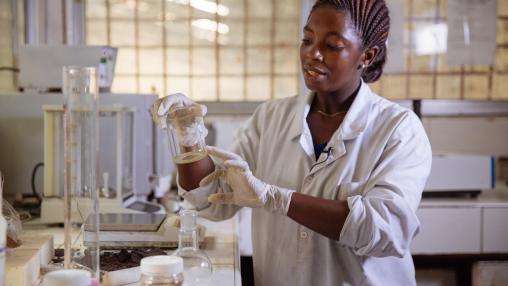
The agricultural sector in Africa south of the Sahara has taken on an increasingly complex role in the region’s overall development, playing a major part in poverty reduction, food security, economic growth, climate change resilience, job creation, and improved nutrition. West Africa has experienced substantial economic growth in recent decades, with many countries slated to enter middle-income status by 2030, according to a new IFPRI Discussion Paper .
Vulnerability to Shocks: Evidence from Ethiopia
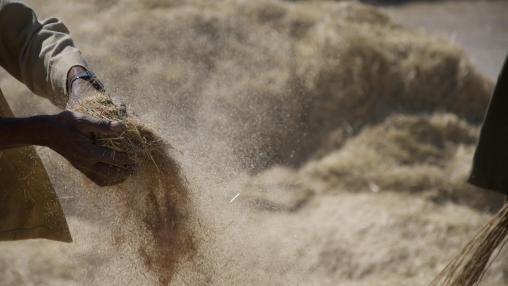
Vulnerability to poverty – the risk of falling into poverty in the future – remains a challenge in developing countries for researchers and policymakers alike. While reducing populations’ vulnerability to shocks that could drive them into poverty is clearly an important step in improving well-being, measuring and quantifying vulnerability is complex and is often further complicated by a lack of accurate data.