


National Policy Dialogue on Senegal’s Onion Import Restriction Policy and Strengthening Technical Collaboration
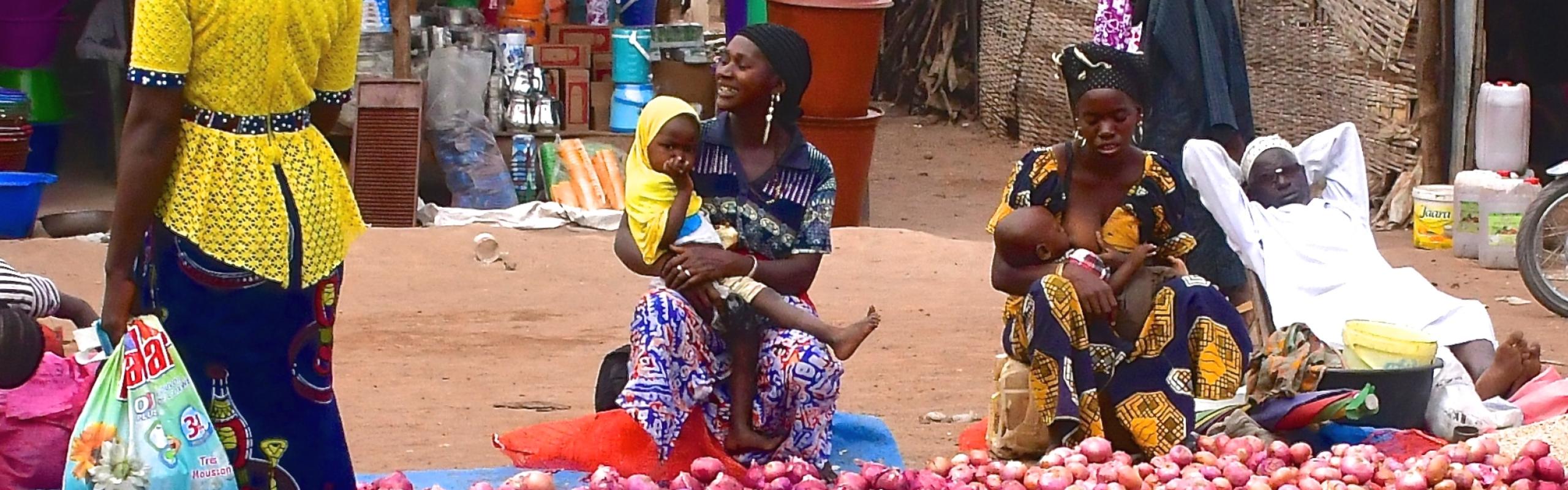
The International Food Policy Research Institute (IFPRI) Senegal and the Directorate -General for Agriculture convened a policy dialogue to examine the effects of trade restrictions on the onion sector in Senegal. The event, held on August 25, 2026 and organized with the support of the CGIAR Policy Innovations Science Program and Food Security Portal, brought together researchers and policymakers to discuss new evidence on a policy question with significant implications for producers and consumers alike.
Fousseini Traore, Senior Research Fellow at IFPRI-Senegal, opened with a presentation to set the scene. He introduced IFPRI's activities in Senegal before turning to the the results of a study on onion trade restrictions. Since 2003, Senegal has imposed periodic import bans, quotas, and high tariffs to protect local farmers, aiming for self-sufficiency and stable supply. These measures raised domestic production and prices but disrupted markets and hurt consumers. The government’s stated objectives of the policy intervention are to foster self-sufficiency in onions and to ensure a steady, uninterrupted supply for consumers, thereby reducing reliance on imports while supporting producers incomes. However, it is well known that these types of quantitative restrictions usually yield a net welfare loss with a significant negative impact on consumers.
Using an analysis combining econometric evidence and a spatial partial equilibrium model, the study found that the ban led to a significant and heterogeneous increase in local prices over the period, reaching 92% above baseline levels at the peak of the effect. Local producers benefitted from the price increase when they sell their product at this precise moment. Consumers, on the other hand, faced reduced welfare as a result of the higher cost of a staple food item. The analysis found that the removal of the ban would increase consumer welfare and support greater intra-African trade but it would come at the expense of local producers, thereby undermining the self-sufficiency objective set by the government.
Following the presentation, Dr. Moctar Ndiaye, the Director General of Agriculture, welcomed the dialogue initiative and underscored the importance of research in guiding and informing public policy. He was particularly interested in the findings of the study on the onion sector, which is of strategic importance to Senegal and suggested that the impacts may extend even beyond those identified in the IFPRI study. The study’s findings will be used to inform decision-making and will be shared with the relevant authorities.
Furthermore, the Director indicated that the Department of Agriculture is seeking methodological support from IFPRI to enhance its internal capacity for the analysis of priority agricultural value chains, with a particular emphasis on maize. He also underscored the need for analytical support for a better understanding of the fertilizers market.
The dialogue reflects IFPRI's ongoing commitment to grounding food security and trade policy discussions in rigorous, context-specific evidence. Both parties agreed to strengthen their technical collaboration to ensure that IFPRI’s research data and analytical models effectively inform and support agricultural policymaking in Senegal.