




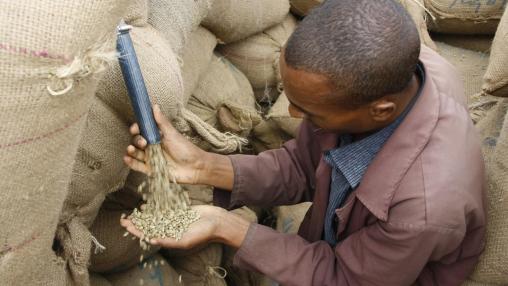
Coffee Value Chains on the Move
International coffee markets are changing quickly due to market liberalization, increasingly stringent quality and safety standards, and the development of specialty coffee markets. Coffee production takes place primarily in developing countries, and such changes could have significant impacts on smallholder coffee producers. In Africa south of the Sahara, Ethiopia represents the largest coffee market actor, and the country’s coffee sector has seen improved productivity and increased prices in recent years.
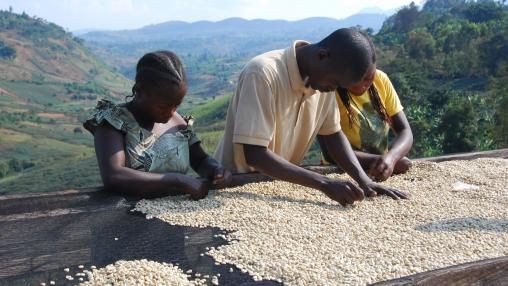
Increasing Investment in Ag Technologies
Africa must invest now to harness future agricultural technologies
By Ousmane Badiane, IFPRI. Cross-posted from IFPRI.org; this post first appeared on the Malabo Montpellier Panel blog.
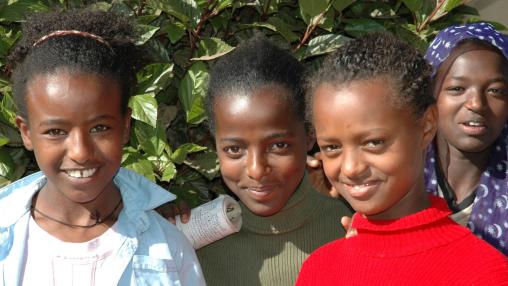
Social protection, household size, and its determinants: Evidence from Ethiopia
A recent working paper from IFPRI’s Ethiopia Strategy Support Program (ESSP) discusses how public policies, specifically those related to social protection interventions, may induce changes in household size or structure and how, in turn, these possibly unintended changes may impact the welfare consequences of the policies themselves.
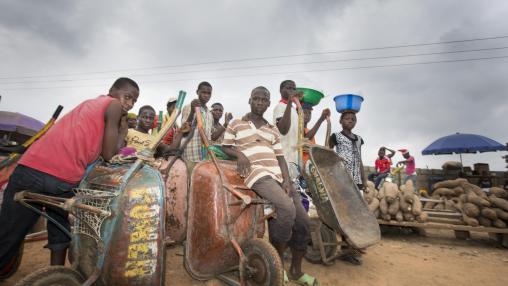
Measuring and Monitoring Intra-African Trade
This blog originally appeared on IFPRI.org .
Trade integration is a powerful tool for economic growth, development, and poverty alleviation. In the Malabo Declaration (PDF) of June 2014, African countries committed to tripling the level of intra-African agricultural trade and services by 2025, fast-tracking the establishment of a Continental Free Trade Area and adopting a continent-wide Common External Tariff scheme.
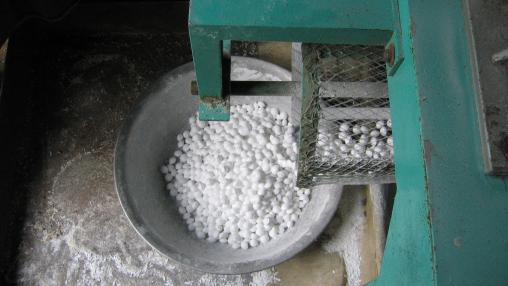
Overview of the Fertilizer Supply Chain in Selected Countries
The fertilizer industry is characterized by high levels of concentration along the supply chain. According to the International Fertilizer Development Center, nine countries control more than 50 percent of nitrogen (ammonia, urea) and phosphate (DAP/MAP) production capacity, while only five countries control 79 percent of potash (MOP) production capacity. Developing regions such as Africa south of the Sahara are also highly dependent on imported fertilizer. In addition, the level of fertilizer use in Africa south of the Sahara remains far below other developing regions (around 10kg.
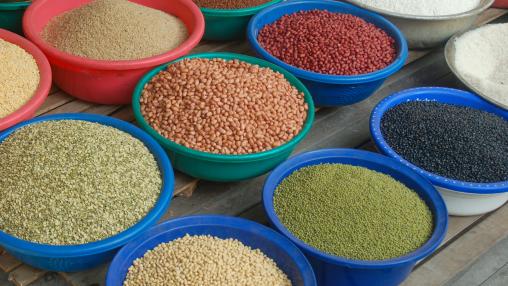
Fertilizer Subsidies in Ghana
Subsidies to promote fertilizer use have become a popular policy in Africa south of the Sahara, aimed at increasing the region’s lagging agricultural production. However, new research from Ghana , published in Food Security , suggest that fertilizer subsidies alone may not be enough to encourage greater fertilizer application and increase farm productivity.
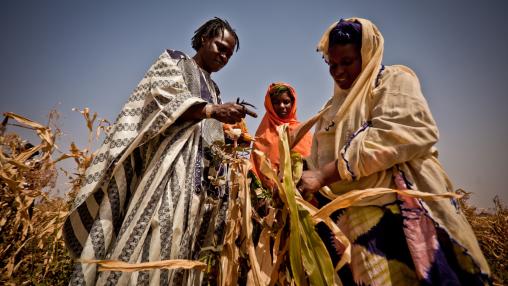
Weather Risks and Input Adoption
Maize makes up an important staple crop in much of Africa south of the Sahara, but maize production carries with it some inherent risks. One of the most significant risks faced by maize farmers is weather. Variable and heterogeneous weather conditions pose a challenge for Africa’s rain-fed crops like maize and have been identified as one explanation for the region’s low rates of fertilizer use and improved seed variety adoption, according to a new working paper released by IFPRI’s HarvestChoice program.
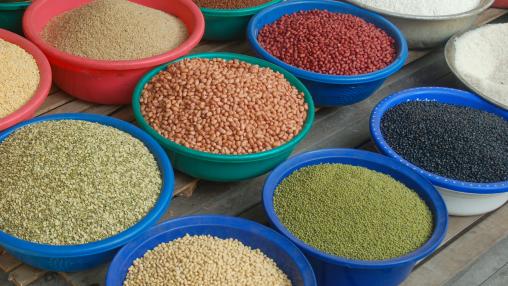
Inorganic and Organic Fertilizers in Nigeria
Fertilizers, particularly inorganic (chemical) fertilizers, have the ability to substantially increase farmers’ agricultural productivity. However, in Nigeria, fertilizer use remains low; according to a new AGRODEP working paper , inorganic fertilizer use in Nigeria is 11.3kg/ha and organic fertilizer use is only 0.2kg/ha. This puts Nigeria well below the targeted 50 kg/ha set forth in the Abuja Declaration. To address this low fertilizer use, the Nigerian Federal Government established a subsidy to help farmers access inorganic fertilizers.
Impacts of CAADP on Africa’s Agriculture-led Development
In 2003, the member countries of the African Union launched a new initiative aimed at increasing food security and reducing poverty through the growth and development of the region’s agricultural sector. The Comprehensive Africa Agriculture Development Program , or CAADP, set a target of 6 percent annual average growth in the agricultural sector, as well as the allocation of 10 percent of total annual government expenditures to the sector.
Senegal's Fertilizer Subsidy: Boon for Agricultural Productivity?
In 2006, the African Union Ministers of Agriculture met in Abuja, Nigeria to discuss how to improve the region’s agricultural productivity through the increased use of fertilizers. The main goal of the subsequent Abuja Declaration was a regional increase in the level of fertilizers used from 8 kilograms per hectare to at least 50 kilograms per hectare by 2015. The Declaration also revived interest in the use of input subsidy programs.