




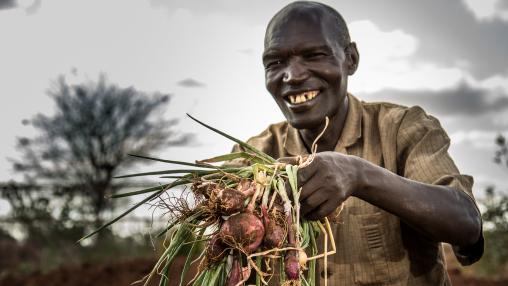
Africa's Agricultural and Rural Development
Recent occurrences in the global arena, such as volatile commodity and resource markets, suggest the urgent need for African countries to develop policy options that can mitigate resource constraints and their attendant consequences. The transformation and development of Africa’s agricultural sector, especially the development of functional value chains, hold huge potentials for African economies through employment creation, income generation, and improvement of household livelihoods.
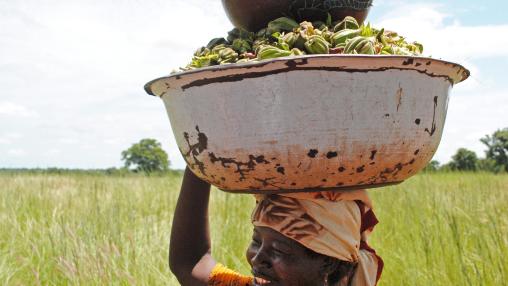
Agricultural Commodity Exchange for Africa
Providing smallholder farmers access to markets and price information is key to improving agricultural productivity and growth, along with food and nutrition security. In line with this, the Agricultural Commodity Exchange for Africa (ACE) has operated a Market Information System (MIS) and a Warehouse Receipt System (WRS) since 2011. The MIS provides farmers, traders and other market participants with access to regular updates on the prices of the commodities they trade via SMS and email, along with its online trading platforms.
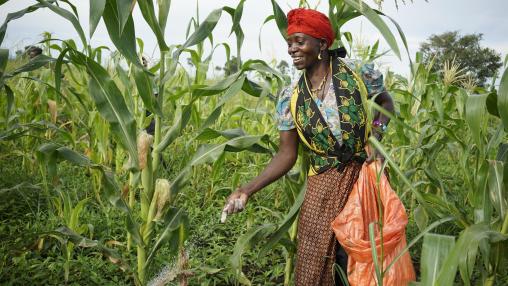
Understanding local African fertilizer prices
Crop yields in Africa south of the Sahara are generally low, in large part because of low fertilizer use. A recent study of six countries in the region showed that only 35% of farmers applied fertilizer. There are many possible reasons why farmers do not use fertilizer. They may be unaware of its effectiveness; or have degraded soils that do not respond to fertilizer; they may not have the cash to purchase it; or unpredictable rainfall may make such investments risky. Local fertilizer prices may also cut into potential profits for many farmers.
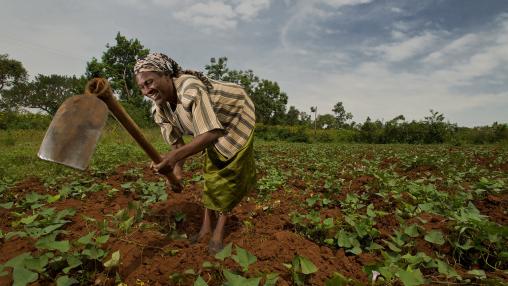
Agricultural extension: Evidence from Malawi
This post originally appeared on IFPRI.org.
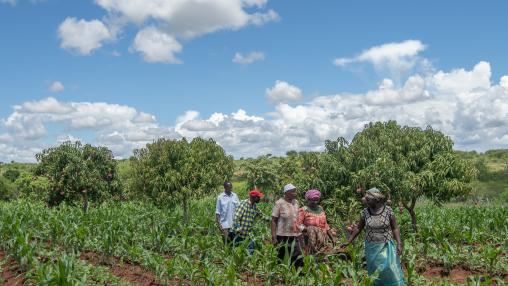
How small businesses are driving growth across African agriculture
A new report from the Alliance for a Green Revolution in Africa (AGRA) finds that millions of small- and medium-sized enterprises (SMEs) source directly from millions more smallholder farmers across Africa South of the Sahara. These SMEs, often led by women, include food processors, wholesalers, and retailers. SMEs provide a range of services, from transport and logistics to the sale of inputs such as fertilizer and seed to farmers. Their activity is driving a “quiet revolution” across African agriculture, connecting smallholder farmers to commercial markets at an unprecedented rate.
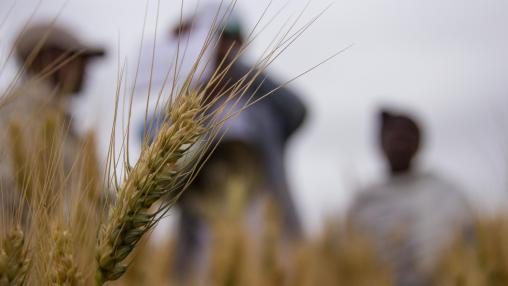
Direct Seed Marketing in Ethiopia
By: Swati Malhotra, IFPRI
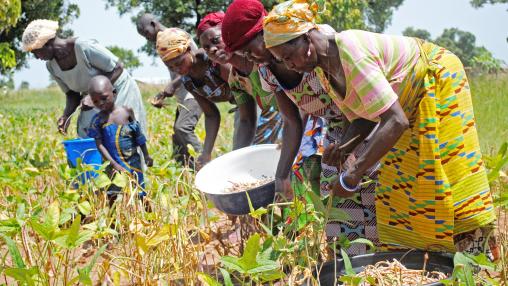
A model for reaching poor farmers and reducing subsidy costs in Ghana
This post originally appeared on the IFPRI.org blog and the GSSP blog.
It is no secret that fertilizer subsidies are back in vogue across Africa south of the Sahara as the preferred tool for governments trying to boost incomes of poor smallholder farmers by increasing farm production and agricultural productivity. The financial burden of fertilizer subsidies is also widely recognized, exacerbated by the expense of improving the accuracy of targeting, as discussed in Jayne et al, 2018.
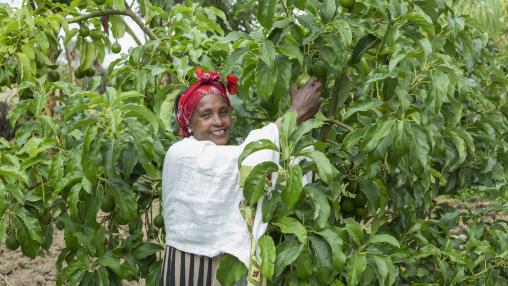
Women and Cash Cropping
Gender equality plays a pivotal role in food security, poverty reduction, and overall development. In a new project note , an ongoing project from IFPRI’s Markets, Trade, and Institutions Division looks at how women in Africa can be better integrated into emerging high-value cash crop production markets.
Nutrition-sensitive ag in Burkina Faso
Policy Seminar: Nutrition-sensitive agriculture program in Burkina Faso improves children's nutritional outcomes
This post originally appeared on the IFPRI.org blog . Written by Smita Aggarwal.
Agriculture's Complex Tasks
The agricultural sector in Africa south of the Sahara has taken on an increasingly complex role in the region’s overall development, playing a major part in poverty reduction, food security, economic growth, climate change resilience, job creation, and improved nutrition. West Africa has experienced substantial economic growth in recent decades, with many countries slated to enter middle-income status by 2030, according to a new IFPRI Discussion Paper .