




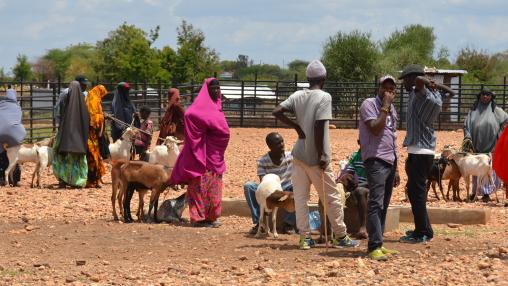
Reinforcing pastoralism in the Sahel and West Africa: A decade of progress and the path forward
Pastoralism has long been a hallmark of the cultural, social, and economic landscapes of the Sahel and West Africa, sustaining the livelihoods of over 20 million people. This age-old practice contributes nearly 15% to the GDP of Sahelian countries, serving not only as an economic mainstay but also fostering peace and resilience within communities. However, the sustainability of pastoralism is increasingly threatened by various external pressures, making robust global support essential to help the region adapt to the changing conditions.
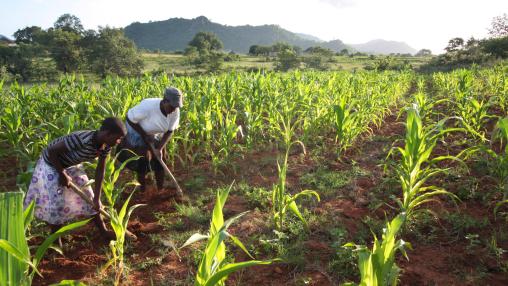
Commercialization carries both benefits and challenges for agricultural households
Creating opportunities to more effectively link farmers in Africa south of the Sahara with local, regional, and global markets has become a key development focus in recent years. However, questions remain about the impacts that increased agricultural commercialization may have on household food consumption and food and nutrition security. A recent article in Food Security examines such impacts in Ghana, Tanzania, Nigeria, and Zimbabwe and finds both positive and negative trade-offs to increased market integration.
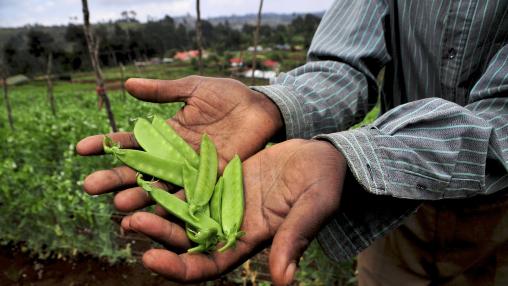
Leveraging the Potential of Ghana's Food System
Malnutrition—including undernutrition, micronutrient deficiencies, overweight, obesity, and diet-related non-communicable diseases (NCDs)—poses a staggering challenge to health, food security, and economic growth outcomes around the world. In Ghana, an estimated 256.1 million people experienced hunger and 240 million were undernourished in 2018. At the same time, rates of obesity and diet-related NCDs in the country have risen significantly—from just 10 percent of Ghanaian adults in 1993 to 40 percent in 2015.
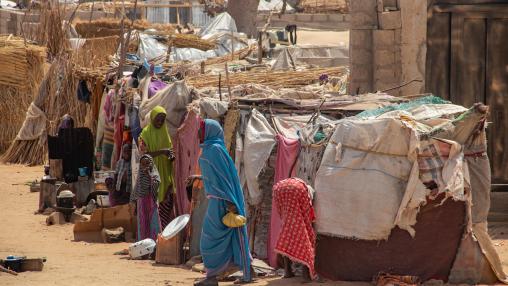
Food Crisis in Sudan: New Report Provides Policy Recommendations for Recovery
Since the outbreak of conflict in April 2023, Sudan has seen deteriorating food security and economic activity, disrupted markets and agrifood systems, and a steadily building humanitarian crisis. According to a new policy note from IFPRI’s Sudan Strategy Support Program, if steps are not taken to protect livelihoods and food security, 4 million people could fall into poverty and an additional 2 million could face food insecurity and malnourishment by 2028.
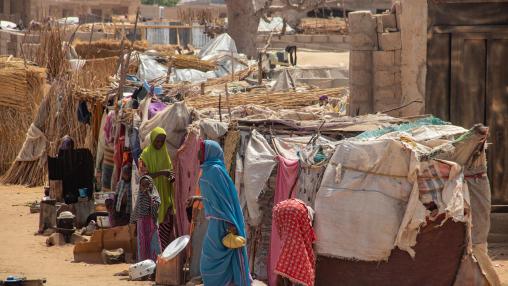
Conference: Navigating Sudan’s conflict – research insights and policy implications
Since the onset of civil war in April 2023, millions of people in Sudan have suffered from loss of livelihoods, destruction of infrastructure, and disruption of essential services. With the war still underway, Sudan is facing the world's largest displacement crisis—with 6.5 million displaced people internally and another 1.7 million driven into neighboring countries—and a surge in acute food insecurity, soaring poverty levels, and extensive losses in income, employment, and productive assets.
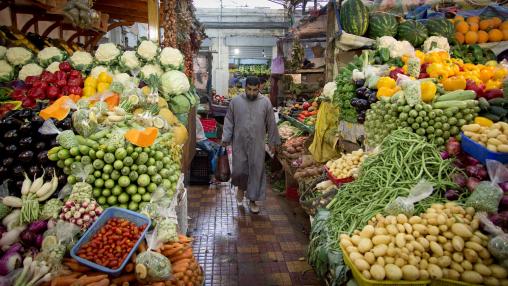
Transforming African Agriculture through Inclusive Agricultural Value Chain Development
Africa’s agricultural sector has the potential to drive important economic growth and development in the region. Agriculture accounts for 16 percent of Africa’s annual GDP and employs over half of its labor force, particularly youth and women workers. Despite the sector’s vast potential, however, African agriculture remains hampered by low resource productivity and little or no value addition; shocks like climate change, ongoing regional and local conflict, and supply and market disruptions resulting from the COVID-19 pandemic and global conflicts have only exacerbated these challenges.
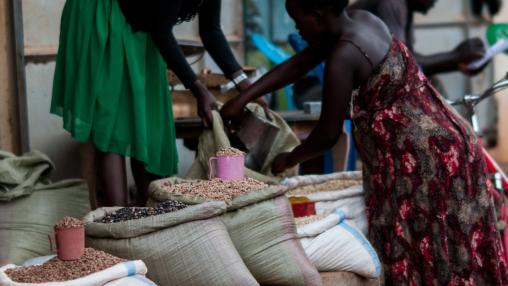
Multiple Pathways to Better Food and Nutrition Security: Evidence from Uganda
More than half of the adult population in Uganda is employed in the agriculture and fishery industries, with an estimated 36 percent engaging in subsistence agriculture. Despite the importance of agriculture to Uganda’s economy, however, the country continues to suffer from high rates of food insecurity. Small-scale farmers are often particularly hard hit by the cycle of poverty and hunger due to the vulnerability of their livelihoods to price shocks, extreme weather events, and other disruptions.
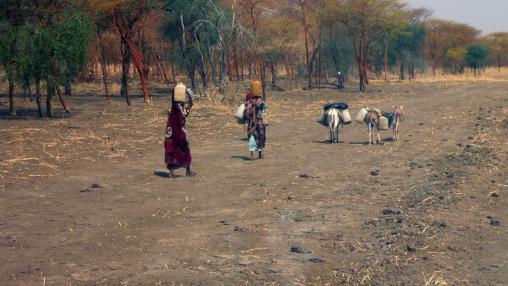
Expanding conflict brings new food security challenges for Sudan
Conflict continues to drive acute food insecurity and food assistance needs in Sudan, according to a recent FEWS Net alert.
Fighting in the country has expanded into Sudan’s southeast region, a major agricultural production and food storage area. The region typically accounts for more than 50 percent of Sudan’s annual domestic cereal production. Conflict-led disruptions to both agricultural production and trade, including destruction of infrastructure, pose a substantial threat to food availability throughout the country, reports FEWS Net.
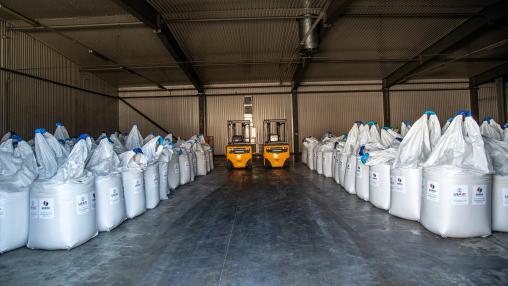
Fertilizer policies amid global supply and price shocks
Achieving efficient and effective fertilizer usage in agricultural production is a critically important economic and environmental policy objective for countries at all stages of economic development, although the nature of the policy problem may vary radically in different contexts.
Implications of El Niño 2023/24 for Africa South of the Sahara
Climate scientists are anticipating an El Niño event in the upcoming boreal winter season (November 2023–February 2024), ending the recent three-year La Niña. In collaboration with USAID FEWS NET and NASA’s Goddard Space Flight Center, IFPRI is hosting a presentation on the potential impact of the upcoming El Niño on the global agrifood system, with special emphasis on low-income countries in sub-Saharan Africa. The event will be organized around four short talks.