

Sita Kone
As a consultant with the Food Security Portal, Sita Kone conducted research on the best practices to strengthen household resilience to climate shocks (with focus on Burkina Faso ), including soil and water conservation practices and adaptive crop management and agroforestry.
Adaptive Crop Management and Agroforestry: Best Practices to Strengthen Household Resilience to Climate Shocks (Focus on Burkina Faso)
Soil and Water Conservation Practices: Best Practices to Strengthen Household Resilience to Climate Shocks (Focus on Burkina Faso )
Food Price Shocks Tool - Africa South of the Sahara
The Food Security Portal's Price Shocks Tool provides an interactive way to explore the impact of price changes on poverty. When you set hypothetical price shock(s) using the tool, net impacts of selected price changes are generated per household and the impact on poverty is automatically calculated accordingly.
Food Price Shocks Tool - Africa South of the Sahara
The Food Security Portal's Price Shocks Tool provides an interactive way to explore the impact of price changes on poverty. When you set hypothetical price shock(s) using the tool, net impacts of selected price changes are generated per household and the impact on poverty is automatically calculated accordingly.
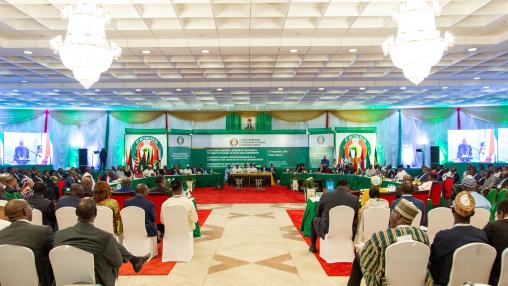
The ECOWAS breakup: Implications for West African food security and regional cooperation
On January 28, the Economic Community of West African States (ECOWAS) will lose three of its founding members—Burkina Faso, Mali, and Niger—comprising 16% of its population of 424 million and 7% of its GDP. Labeled “Sahelexit” by some commentators, the decision to leave ECOWAS was first announced a year ago by the three countries’ trio of military leaders and is now poised to legally take effect.
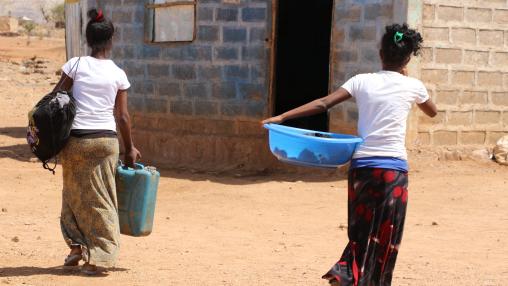
Millions Face Rising Acute Food Insecurity, According to New FAO-WFP Report
Millions of people across 22 countries and territories may be pushed into acute food insecurity by May 2025, according to the latest FAO-WFP Hunger Hotspots Report. Ongoing and increasing conflict in many areas of the world, along with economic hardships and extreme weather caused by climate change and the La Niña phenomenon, are behind this significant increase in both the magnitude and the severity of acute food insecurity.
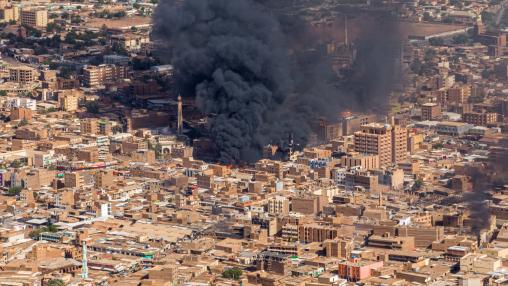
Conflict Driving Acute Hunger in Sudan, Burkina Faso
As noted in the Global Report on Food Crisis Mid-Year Update, conflict remains one of the major causes of food crises worldwide. Two recent alerts from FEWS Net echo this finding in both East and West Africa, where conflict is driving acute levels of food insecurity and hunger in both Sudan and Burkina Faso.
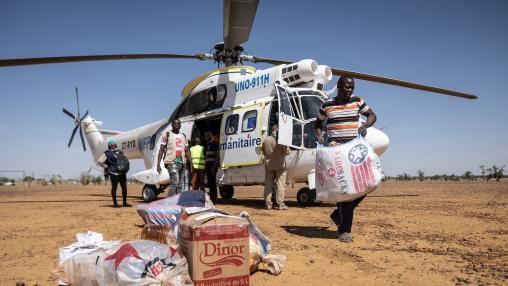
Households in Northern Burkina Faso Facing Risk of Famine
An estimated 360,000 people in northern Burkina Faso are suffering extreme and worsening food insecurity and malnutrition, according to a recent alert from FEWS Net. While the risk of famine (IPC Phase 5) in the region is not a foregone conclusion, FEWS Net has determined that such a risk is possible through September 2023.
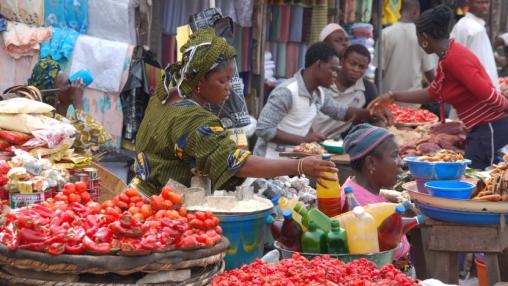
Transform Nutrition West Africa: Time to build on the momentum
This post originally appeared on IFPRI.org
The COVID–19 pandemic, ongoing conflicts, and other problems made 2020 a difficult year for global nutrition. Knowledge will be crucial in addressing current nutrition issues and advancing the nutrition agenda for 2021 and beyond. Transform Nutrition West Africa (TNWA), a project led by IFPRI and funded by the Bill & Melinda Gates Foundation from 2017-2021 and now concluding, has worked to put stakeholders and knowledge generation at the heart of decisions about policies and programs for maternal, infant, and young child nutrition.