
Zerayehu Sime
As a consultant with the Food Security Portal, Zerayehu Sime conducted research on compound vulnerability and food security in Somalia.
Somalia: Acute Food Insecurity Projection Update April - June 2026
The updated analysis of the April–June 2026 projection period shows that both food security and nutrition outcomes are worse than initially predicted. The deterioration is driven by poor Gu rainfall, sharp food price spikes linked to the 2026 Middle East conflict, currency depreciation and conflict-related displacement.
A rapid and sustained scale‑up of multisectoral assistance—particularly in hotspot areas such as Burhakaba—is urgently needed to prevent further deterioration and loss of life.
Food Security Resilience in Somalia
Compound Vulnerability and Food Security in Somalia
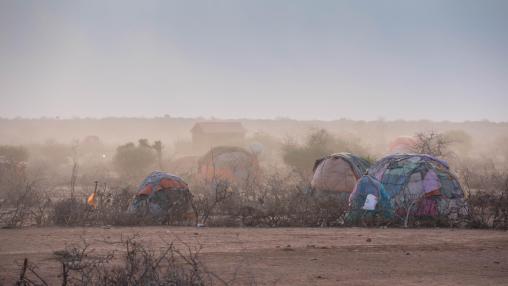
Acute Food Insecurity on the Rise in Somalia
Acute food insecurity continues to rise in Somalia, according to a new IPC alert. From early 2025 to February 2026, the number of people in IPC Phase 3 (Crisis) or above food insecurity has nearly doubled, with as many as 6.5 million people now classified as acutely food insecure. Worsening drought, combined with conflict and rising food prices, is largely to blame for the severity of the country’s food and nutrition security crisis.
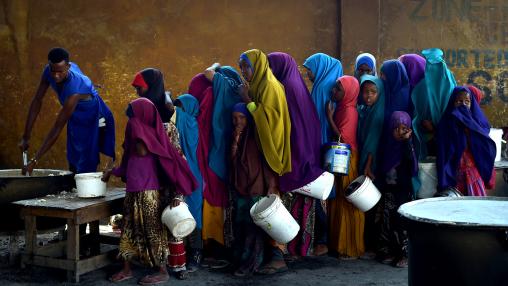
Acute Food Insecurity, Malnutrition on the Rise in Somalia
As of September 2025, as many as 3.4 million people in Somalia were experiencing acute food insecurity, according to the latest IPC country-level alert. While this represents a reduction from 3.6 million in September 2024, that number could reach as high as 4.4 million by December 2025 unless urgent action is taken.
From Relief to Resilience in Somalia: Harnessing Research to Inform Social Protection Policy and Practice
Policymakers and program implementers in Somalia are increasingly recognizing the importance of complementing short-term support in the form of cash or in-kind transfers with interventions targeting longer-term development goals and poverty exit, a goal that cuts across both more traditional social protection systems and programming targeting internally displaced people. This webinar will bring together representatives from the Somali government, its development partners, and researchers who have contributed to building a robust evidence base around these issues.
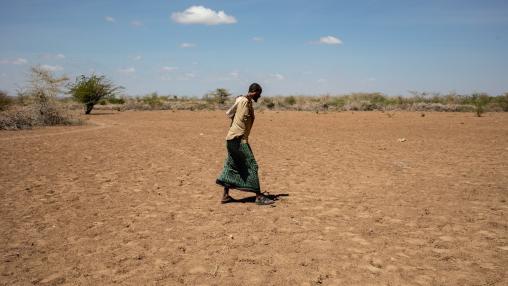
Drought, conflict and high food prices risk pushing 4.4 million people into hunger, the Federal Government of Somalia and UN warn
New data from Somalia shows that 4.4 million people could face hunger by April 2025, driven by worsening drought conditions, conflict and high food prices.
The Federal Government of Somalia and the United Nations agencies warn that without funding for humanitarian action, the country - which in 2022 was pushed to the brink of famine by severe drought, resulting in thousands of deaths, with nearly half being children – millions could once again face deepening hunger.
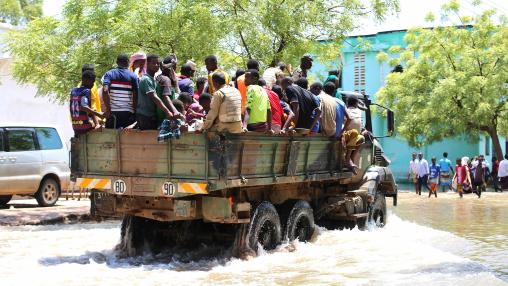
Increasing Resilience in the Face of Climate Shocks: Evidence from Somalia
In October 2023, the Baidoa district of Somalia experienced severe flooding, impacting more than 120,000 people, including nearly 100,000 internally displaced people. In a new IFPRI learning brief, researchers explore how this extreme weather event affected households in the area and how the country’s Ultra-Poor Graduation (UPG) intervention can play an enhanced role in protecting vulnerable populations from future shocks.
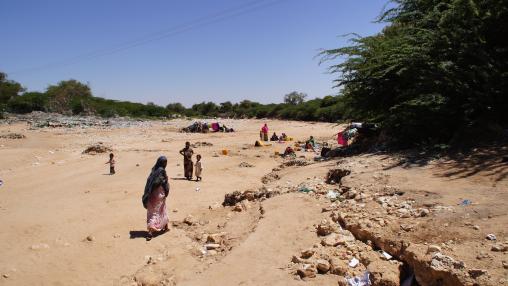
Climate Shocks Worsen Food Insecurity in Sudan, South Somalia
Extreme weather events are driving alarming rates of hunger and malnutrition in South Sudan and Somalia, according to a new series of reports from the World Food Programme (WFP). These trends are expected to continue into 2024.