




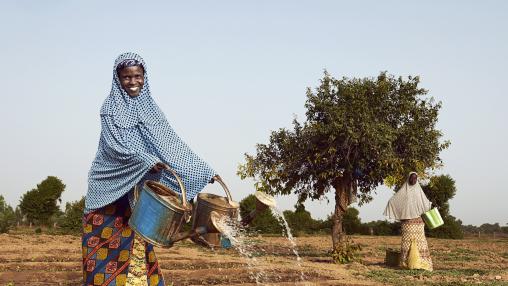
How to Increase Gender Equity in Agriculture: New Evidence from Malabo Montpelier Forum
The twelfth annual Malabo Montpelier Forum was held on June 8 and centered on a new report from the Malabo Montpelier Panel: Bridging the Gap: Policy Innovations to Put Women at the Center of Food System Transformation in Africa. According to the report, nearly two-thirds of African women play a role in the region’s agrifood system.
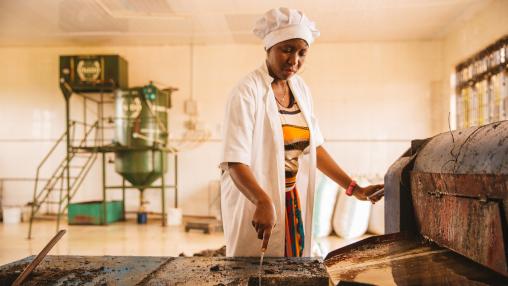
Agrifood Processing Presents Opportunities for African Farmers, But Challenges Remain
The recently released 2022 ReSAKSS Annual Trends and Outlook Report (ATOR) takes an in-depth look at Africa’s agrifood processing sector, including its current status, its challenges, and its opportunities.
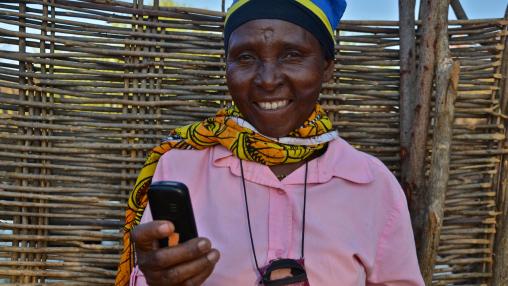
Scaling Up ICTs for Agriculture
Information and Communication Technologies (ICTs) have vast potential for improving agriculture and food security and achieving the Sustainable Development Goals (SDGs). ICTs can contribute to agriculture in a variety of ways, from helping farmers get fair prices for their produce to increasing agricultural yields.
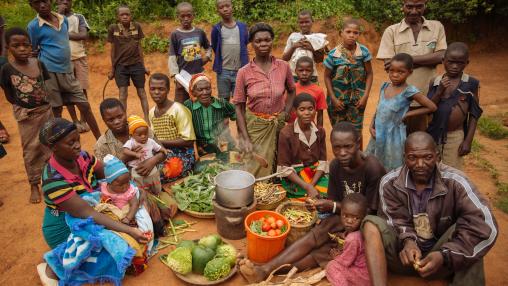
Gender and Food Security in Malawi
Researchers and policymakers have become increasingly cognizant of the role that gender plays in food security in developing countries. A new IFPRI Discussion Paper takes an in-depth look at the implications of gender roles in household food security in Malawi and finds that improving joint access – i.e. access for both men and women – to agricultural and nutrition information and training can be an important driver in increasing households’ food security.

G20 Africa Partnership Launched
Africa played an important part of the conversation at the 2017 G20 Summit with the launch of the G20 Africa Partnership for sustainable development. Following on the G20 Africa Partnership Conference held in Berlin in June 2017, this new initiative highlights the need for private investment, sustainable infrastructure growth, and education in the region. Efforts will focus on improved infrastructure, increased investment in market access and education, particularly for women and youth, and improved capacity-building programs.
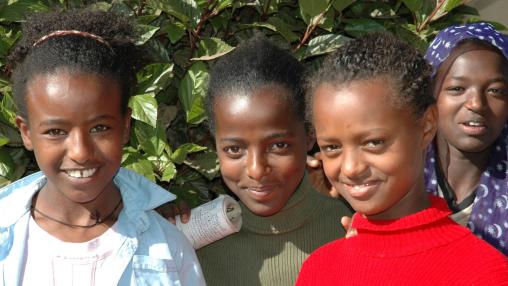
Social protection, household size, and its determinants: Evidence from Ethiopia
A recent working paper from IFPRI’s Ethiopia Strategy Support Program (ESSP) discusses how public policies, specifically those related to social protection interventions, may induce changes in household size or structure and how, in turn, these possibly unintended changes may impact the welfare consequences of the policies themselves.
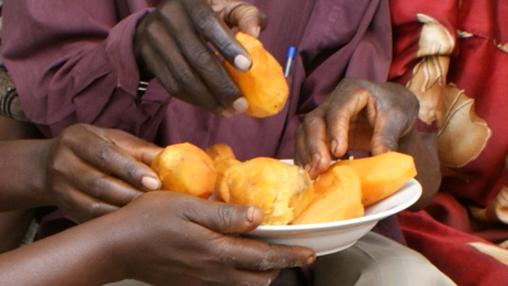
Men and Women See Unequal Access to Benefits of Biofortification
Biofortified crops, such as orange-fleshed sweet potatoes, have been shown to reduce malnutrition and micronutrient deficiency, especially in children, and increase farm households’ incomes. Whether or not farmers adopt these new crops, however, depends on individual farmers’ perceptions of biofortification’s benefits.