




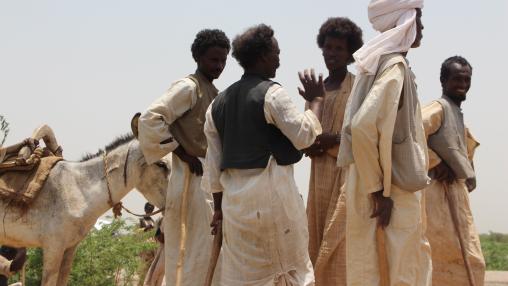
Development strategy under the permanent emergency: Building continuity amid crisis
Key takeawaysThe world has entered a period of permanent emergency defined by continual overlapping crises.Development strategy must be built to address persistent disruption, not temporary shocks.Continuity should be the key priority. Strong institutions, infrastructure, and productive sectors help countries keep progressing during crises.Conventional development strategy assumes that crises are interruptions. Wars end. Commodity prices stabilize. Supply chains recover. Political tensions ease.
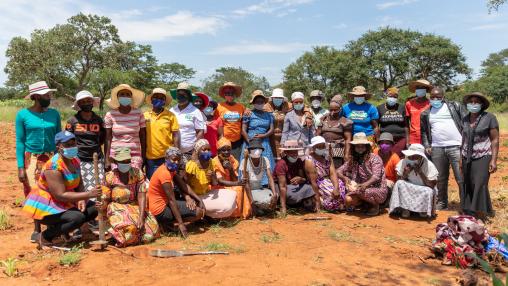
Women as shock absorbers: Gendered costs of the global fuel and fertilizer crisis
Key takeawaysWomen and girls in many countries are bearing the brunt of rising fuel and fertilizer prices triggered by the Iran war.Higher costs strain agrifood systems and exacerbate existing gender inequalities, further limiting women’s access to inputs, income, and food security.Gender-blind policy responses widen gender gaps.
Food Security Resilience in Somalia
Compound Vulnerability and Food Security in Somalia
Promoting Resilience through Improved Varieties, Quality Seed, and Better Seed Systems: Lessons from Nigeria
Across sub-Saharan Africa, small-scale, resource-poor farmers are disproportionately affected by climatic and market shocks. Providing them with the tools and technologies to manage these shocks is critical to building resilience, especially in Nigeria, with its considerable diversity.
Regional Policy Dialogue: Celebrating 50 Years of Impact - IFPRI and the Future of African Food Systems
IFPRI’s 50th anniversary offers an opportunity to reflect on the Institute’s enduring contributions to food systems thinking and transformation—globally and across Africa. From early work on food security measurement and agricultural policy reform to today’s cutting-edge research on food systems, governance, trade, resilience, and nutrition, IFPRI has helped shape how food systems are analyzed, understood, and improved.Africa has always been central to IFPRI’s mission.
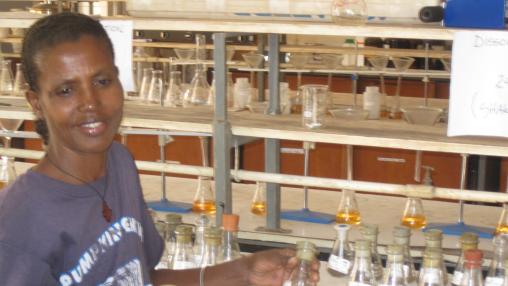
Using Local Knowledge to Enhance Food Systems Resilience
With food crises on the rise, with an estimated 295.3 million people facing high levels of acute food insecurity in 2024. In the face of these stark hunger levels, policymakers, humanitarian organizations, development practitioners, and private sector actors urgently need knowledge about how to effectively enhance the resilience of local and regional food systems.
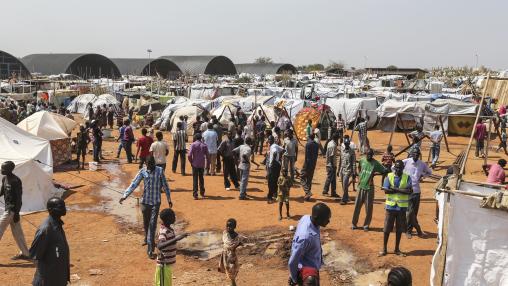
Sudan’s two years of crisis—impact and pathways to recovery and resilience
Sudan has now entered its third year of armed conflict, resulting in economic collapse and a deepening humanitarian crisis. As of April 2025, over 8.6 million people have been internally displaced, and over 3 million have fled to neighboring countries. Famine has been confirmed in 10 areas and internally displaced person (IDP) camps, with 17 others at risk. GDP contracted by 20% in 2023 and 15% in 2024 alongside soaring inflation and widespread food insecurity. The conflict is now among the world’s worst humanitarian crises.
From Relief to Resilience in Somalia: Harnessing Research to Inform Social Protection Policy and Practice
Policymakers and program implementers in Somalia are increasingly recognizing the importance of complementing short-term support in the form of cash or in-kind transfers with interventions targeting longer-term development goals and poverty exit, a goal that cuts across both more traditional social protection systems and programming targeting internally displaced people. This webinar will bring together representatives from the Somali government, its development partners, and researchers who have contributed to building a robust evidence base around these issues.
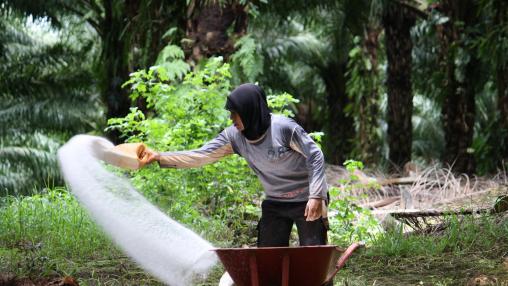
Tracking Fertilizer Price Volatility: Expanding the Food Security Portal’s Excessive Food Price Variability Early Warning System
Fertilizer is a critical input for agricultural productivity, and its increased use has been closely associated with rising agricultural yields in many countries. In developing economies that rely heavily on fertilizer imports and are home to vulnerable smallholder farmers, fertilizer price spikes can pose serious risks. When farmers lack access to effective risk-sharing mechanisms, sudden or excessive increases in fertilizer prices can discourage adoption, disrupt planting decisions, and reduce productivity.