




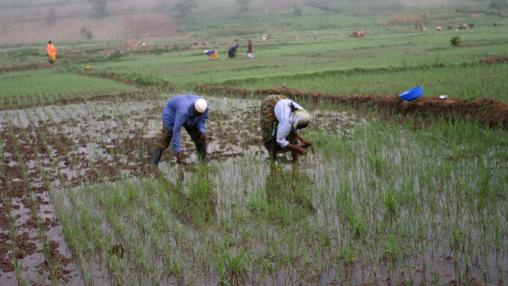
Online Dialogue Highlights Challenges, Opportunities for Fertilizer Use
Africa’s fertilizer markets face significant constraints on both the supply and the demand side, including a lack of infrastructure, high costs to both produce and use, and low public-private investment. However, the challenges of climate change and population growth are now encouraging many governments to tackle much-needed market reforms.
These were some of the takeaway messages from last week’s virtual dialogue on fertilizer use in Africa, held on December 10.
The dialogue addressed four questions:
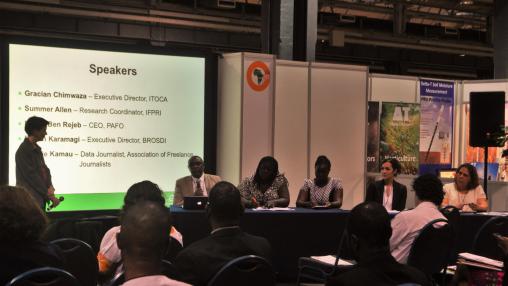
Open Data for Agriculture and Nutrition
This post contains excerpts from the Global Open Data for Agriculture and Nutrition (GODAN) blog .
The first Global Forum for Innovations in Agriculture (GFIA) , Africa Edition, was held on December 1-2 in Durban, South Africa. The meeting brought together policymakers, private sector actors, farmers’ organizations, and international organizations to discuss innovations, investments, and policies for advancing Africa’s development through improvements in data collection to provide relevant and timely information for agricultural producers.
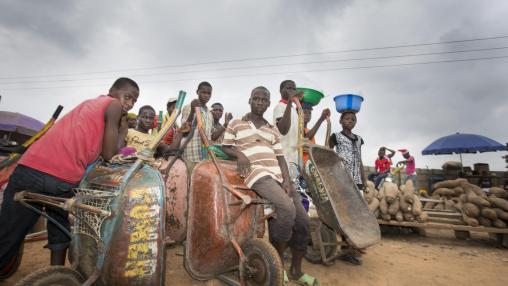
Macroeconomic Policy and Agriculture
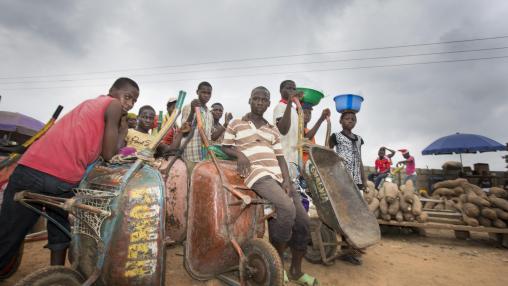
Macroeconomic policies (monetary and fiscal policies, exchange rate policies, and trade policies) can significantly impact agricultural development and food security, and vice versa. This complex relationship is the subject of a new book , Macroeconomics, Agriculture, and Food Security: A Guide to Policy Analysis in Developing Countries , written by IFPRI Visiting Senior Research Fellow Eugenio Diaz-Bonilla.
Macroeconomic Policy and Agriculture
Macroeconomic policies (monetary and fiscal policies, exchange rate policies, and trade policies) can significantly impact agricultural development and food security, and vice versa. This complex relationship is the subject of a new book , Macroeconomics, Agriculture, and Food Security: A Guide to Policy Analysis in Developing Countries , written by IFPRI Visiting Senior Research Fellow Eugenio Diaz-Bonilla.
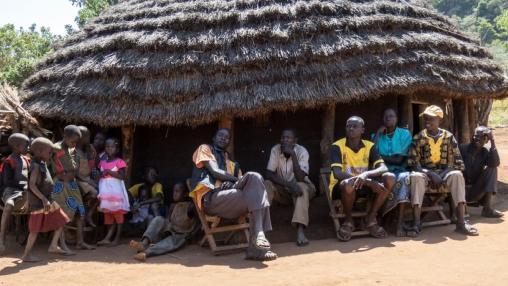
Foreign Land Deals: Good or Bad News for Local Communities?
Since the 2007-2008 global food crisis, foreign land acquisitions, or “land grabs,” have exploded in number. In 2014, Land Matrix estimated that a total of 950 land deals were in effect in various stages throughout the world, often in countries with poor land governance and high levels of food insecurity. While foreign land acquisition does have the potential to increase essential investment into agriculture in poor developing countries, it also poses a risk to local populations, who may face a loss in access to and control over land.
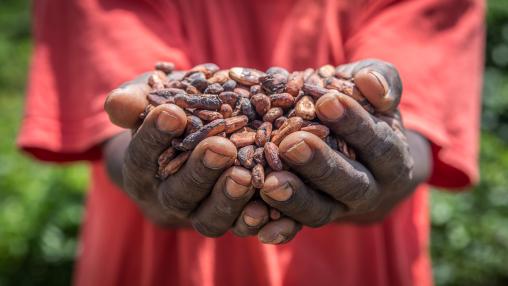
Is More Chocolate Bad for Poverty? Evidence from Ghana
In the 1960s, Ghana was the world’s largest producer of cocoa beans; while the country’s cocoa crop took a hit in the 1980s as a result of rampant bushfires, it has since rebounded and is now the second largest producer of cocoa beans in the world. The majority of the raw beans grown in Ghana are not processed within the country, however, and the government has been putting more emphasis in recent years on promoting industrialization of the domestic cocoa value chain by subsidizing the price paid for beans by local cocoa bean processors.
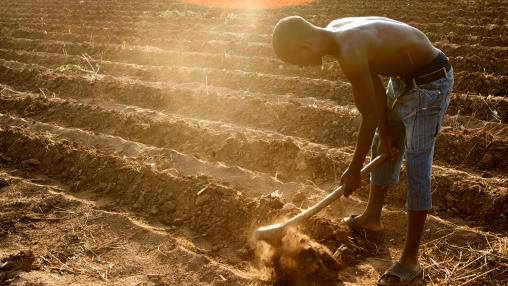
Changes to Malawi Fertilizer Subsidy Program Mean Higher Cost for Farmers
Earlier this month, Malawi’s government announced a major change to the country’s Farm Input Subsidy Programme (FISP), an 11-year-old program designed to achieve food self-sufficiency and increased incomes for Malawi’s resource-poor farmers. For the 2015-2016 season, a 50kg bag of fertilizer will cost farmers K3500 (approximately USD 6.31), a 600 percent increase from last year’s cost of K500 (USD 0.90).
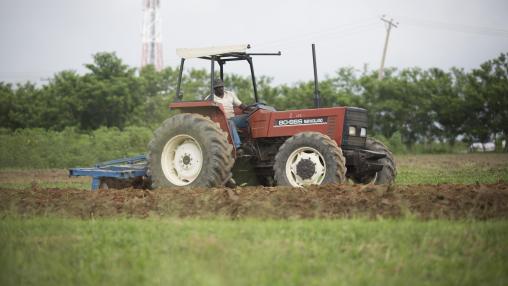
The Challenge of Increasing Agricultural Productivity in Africa South of the Sahara
The following post by IFPRI senior researcher Alejandro Nin Pratt was originally published on ASTI News and Notes .
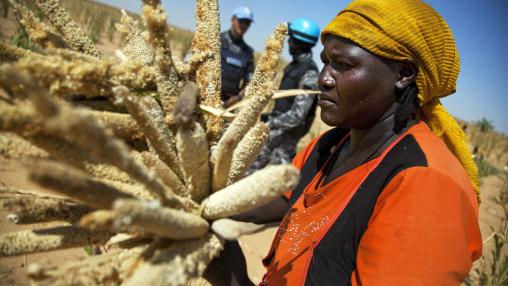
What Part Do Women Play in Agricultural Labor?
Since it was first cited in a 1972 paper by the United Nations Economic Commission for Africa, the idea that women perform 60-80 percent of agricultural labor in Africa has been a central theme in the broader debate about gender and development. A new study released by the World Bank’s Living Standards Measurement Study – Integrated Surveys on Agriculture (LSMSISA) initiative is now calling this commonly accepted wisdom into question, however.
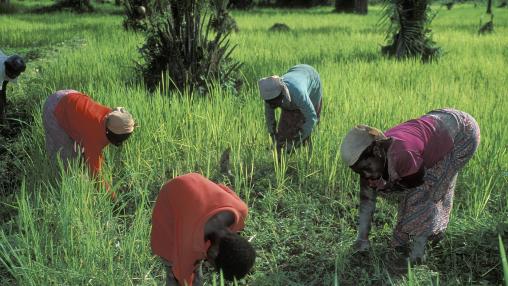
Gender, Assets, and Agricultural Development
Studies have shown that when women own or control household assets, they can improve the well-being of both themselves and their families. But in many developing countries, men own and control the majority of assets. Without a fair share of ownership, women have little or no control over such decisions as what crops to plant or how and when to sell produce of livestock. Ownership and control of assets can also impact who is eligible to participate in and benefit from development programs.