




Kenya Commodity Price Report – July 2021
Kenya Commodity Price Report - June 2021
Food Insecurity in East Africa
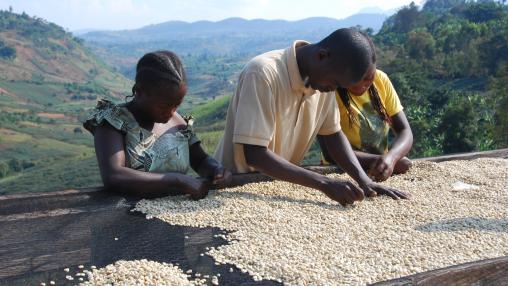
East Africa facing acute food insecurity as drought continues, alerts FEWS and FAO
Overview of the Fertilizer Supply Chain in Selected Countries
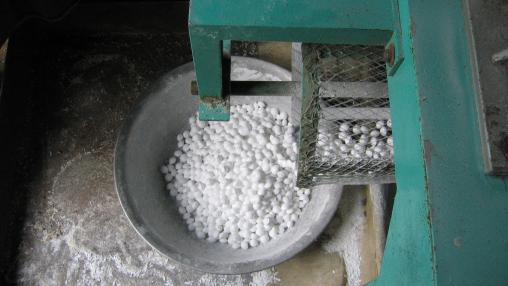
The fertilizer industry is characterized by high levels of concentration along the supply chain. According to the International Fertilizer Development Center, nine countries control more than 50 percent of nitrogen (ammonia, urea) and phosphate (DAP/MAP) production capacity, while only five countries control 79 percent of potash (MOP) production capacity. Developing regions such as Africa south of the Sahara are also highly dependent on imported fertilizer. In addition, the level of fertilizer use in Africa south of the Sahara remains far below other developing regions (around 10kg.
Food Safety and Food Price: Is There a Link?
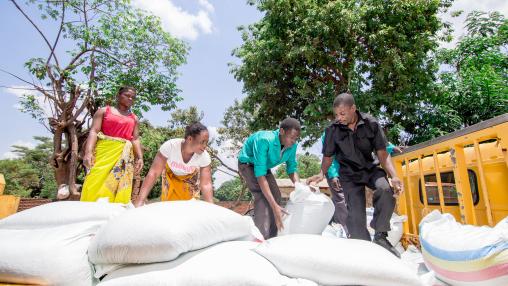
Food safety remains a significant concern in many developing countries, thanks to a prevalence of decentralized, informal food markets and low enforcement of food safety standards. Formal markets and branded food products are starting to become more common, however, allowing firms to establish themselves in consumers’ minds as providers of safe, high quality food – and potentially to charge higher prices for that food. A forthcoming article in Agricultural Economics examines this link between food safety and food prices in the context of maize flour in Kenya.
The Many Facets of Malnutrition
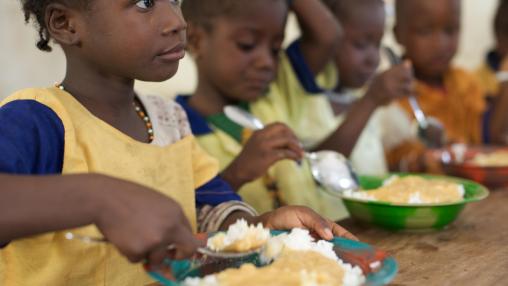
Fifty-seven out of 129 countries around the world are faced with very serious levels of both undernutrition and adult overweight and obesity, according to the 2016 Global Nutrition Report . Africa remains one of the regions most plagued by these varied threats of malnutrition, and the continent will need to make strong commitments to reach the goal set forth by the SDGs of ending malnutrition in all its forms by 2030.
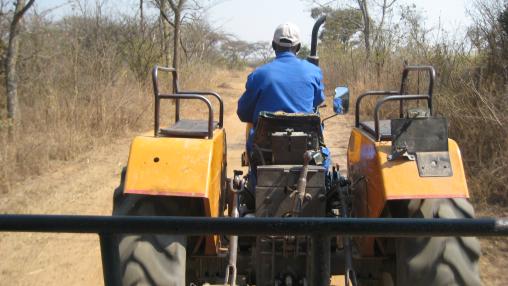
Agricultural Mechanization in Africa: Lessons from Bangladesh
Agricultural mechanization can help reduce farmers’ labor costs and increase agricultural productivity; however, in many parts of Africa south of the Sahara, most farm activities still rely on human and animal power ( IFPRI Insights , September 2014 ). Increasing Africa’s agricultural mechanization could be a key driver of future development in the region, but only if it is done properly and sustainably.
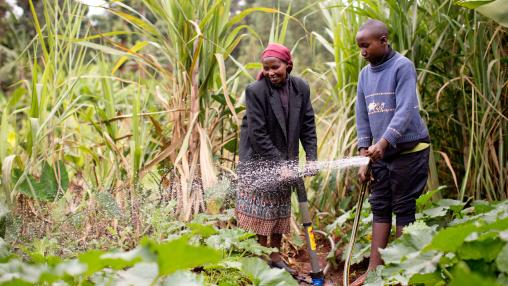
Climate-Smart Agriculture: Kenya Country Profile
Continuing its series on climate-smart agriculture (CSA), the World Bank has recently released a country profile for Kenya . Of the country’s 42.7 million people, 74 percent live in rural areas; agriculture employs more than 80 percent of Kenya’s rural workforce and provides about 18 percent of the country’s total formal employment. Over the past 30 years, the agricultural sector has contributed 28 percent of the country’s GDP and 65 percent of the country’s total export earnings.
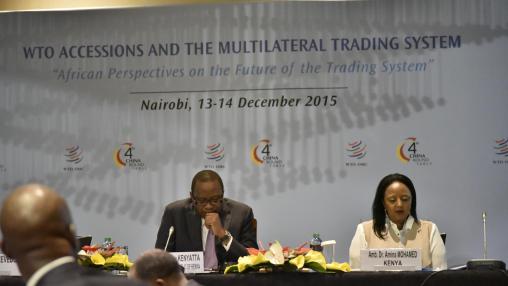
10th WTO Ministerial Focuses on LDCs
The 10 th WTO Ministerial Conference , held in Nairobi, Kenya from December 15-19, concluded with six ministerial decisions of significance for developing countries, particularly LDCs. Four decisions revolve around agricultural trade and require clear commitments for both developed and developing countries; an additional two decisions focus solely on benefits for LDCs. Despite what some are calling a “historic” trade package, however, the future of the WTO’s Doha Development Agenda remains uncertain.
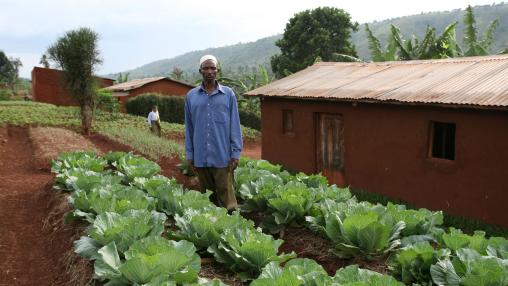
Virtual Dialogue: Constraints and Opportunities for Fertilizer Use
In 2006, the African Union Special Summit of the Heads of State and Government, adopted the 12-Resolution “ Abuja Declaration on Fertilizer for the African Green Revolution” , which aimed to increase Africa’s fertilizer use from the then-average 8kg per hectare to 50kg per hectare by 2015. According to the International Fertilizer Industry Association, however, average fertilizer use in the region today is still only 12kg of fertilizer per hectare, compared to 150kg per hectare average in Asia.