

Food Security Resilience in Somalia
Compound Vulnerability and Food Security in Somalia
New E-Learning Courses Launched on FSP E-Learning Platform
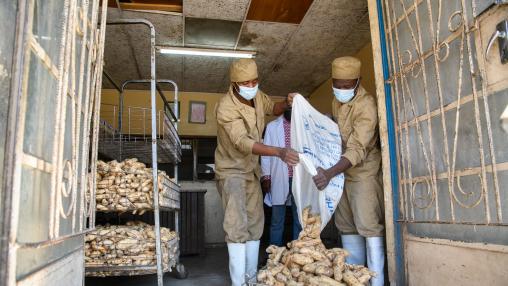
The Food Security Portal E-learning Platform has launched two new courses: the French version of the Pro-WEAI (Women’s Empowerment in Agriculture Index) Foundations Module and a brand-new course focused on training Farmer Business School facilitators.
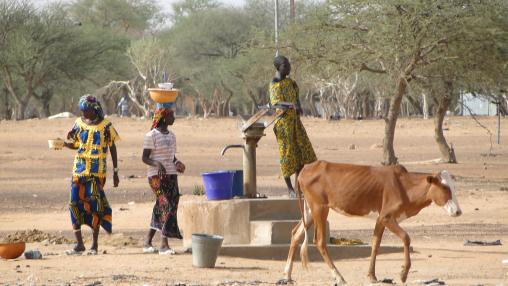
Land, climate, energy, agriculture and development in the Sahel
At an online event on January 19, 2021, researchers from national research institutes and universities in the Sahel region and Germany, namely the Agrhymet Regional Centre of the Permanent Interstate Committee for Drought Control in the Sahel (CILSS) in Niger and the Center for Development Research at the University of Bonn (ZEF) in Germany launched a series of national cases studies*) and a regional synthesis report on rural development, agricultural livelihoods and job creation in the Sahel region.
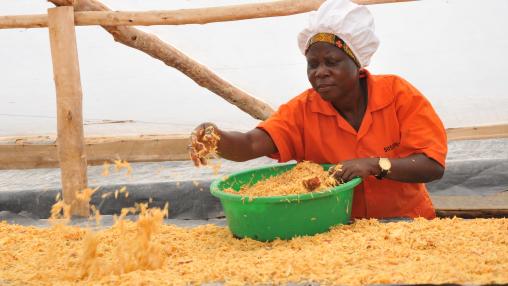
Building Capacity for Rwanda’s Agricultural Transformation
By: Seth Kwizera, Claude Bizimana, and David J. Spielman
Rwanda’s Fourth Strategic Plan for Agricultural Transformation (PSTA IV) presents an ambitious plan to dramatically change the country’s agricultural sector and rural economy. Released in 2018, the plan forms a critical component of Vision 2050, which envisions Rwanda’s transformation into an upper middle income country by 2035 and a high income country by 2050.
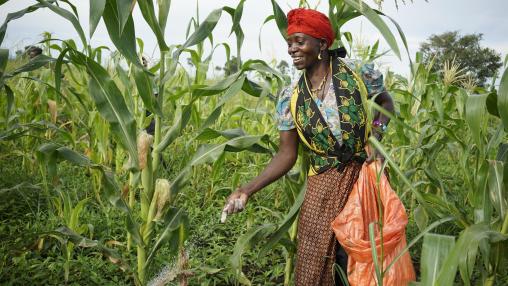
Understanding local African fertilizer prices
Crop yields in Africa south of the Sahara are generally low, in large part because of low fertilizer use. A recent study of six countries in the region showed that only 35% of farmers applied fertilizer. There are many possible reasons why farmers do not use fertilizer. They may be unaware of its effectiveness; or have degraded soils that do not respond to fertilizer; they may not have the cash to purchase it; or unpredictable rainfall may make such investments risky. Local fertilizer prices may also cut into potential profits for many farmers.
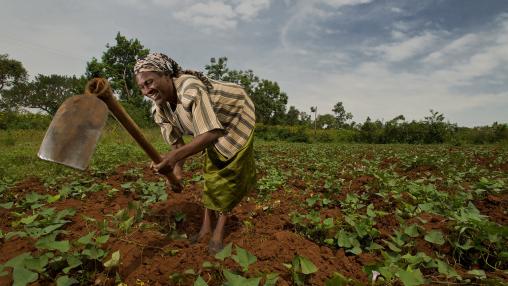
Agricultural extension: Evidence from Malawi
This post originally appeared on IFPRI.org.
Investing in rainfall research in the Sahel
This post originally appeared on the IFPRI-WCAO blog.
The prolonged heatwave of summer 2018 has devastated crops across Europe, leaving some countries facing their worst harvests since the end of World War II.
The hot temperatures and lack of rainfall, especially in central and Eastern Europe, has forced major exporting countries to import food for the first time in decades. Some countries are facing rising food prices as a result, while others, such as the UK, experience fruit and vegetable shortages in supermarkets.
Measuring Food Access: Why Research Methods Matter
Food security is a simple phrase that encompasses an incredibly complex concept.