


National Policy Dialogue: Harmonizing Agri-Food Systems Data for Reporting and Policy Making in Rwanda
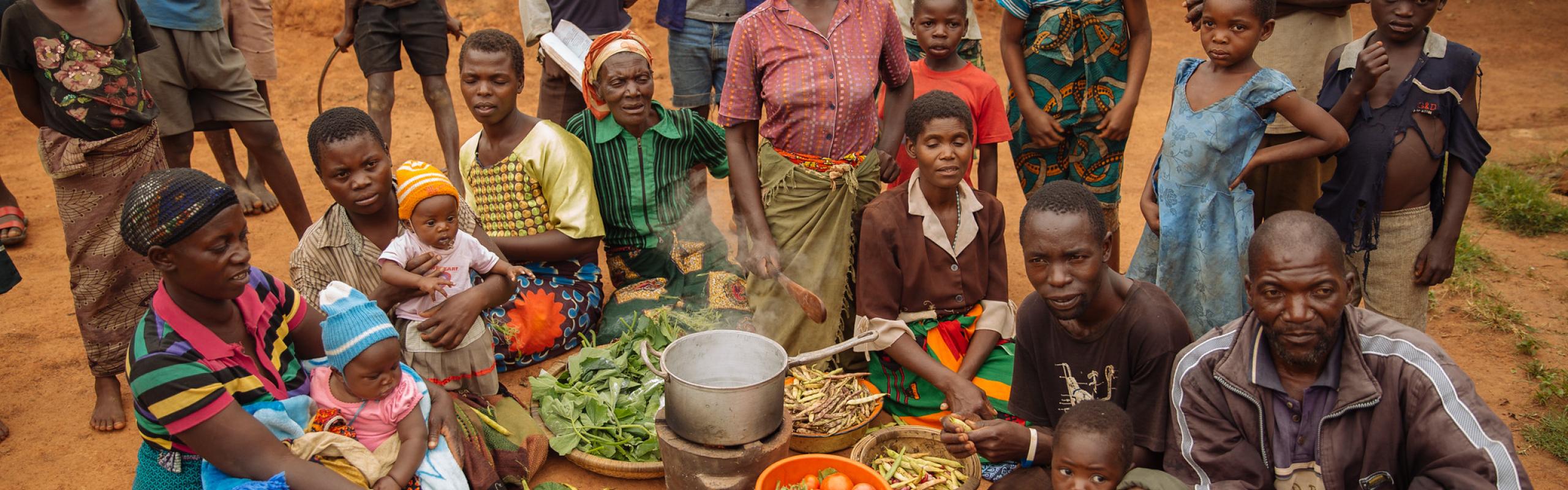
Rwanda’s agrifood system is identified as an interconnected ecosystem of actors and activities extend across various food system’s stages, from production, processing, distribution, consumption, to waste management. It is central to the country’s structural transformation driving food and nutrition security, livelihood improvement, and sustainable economic growth. Current data indicate that the AFS makes up nearly two-fifths of GDP and accounted for more than 60% of total employment in 2022 (Xinshen Diao et al, 2025).
The availability of reliable, harmonized, and accessible food systems data covering agriculture, nutrition, markets, environment, health, and livelihoods are essential for integrated planning and evidence-based policymaking. The need for harmonized data aligns with continental and national frameworks, including the 2025 Kampala CAADP Declaration on Building Resilient Agrifood Systems in Africa, the Sustainable Development Goals (SDGs), the National Strategy for Transformation (NST2), and the Strategic Plan for Agriculture Transformation (PSTA 5). These frameworks emphasize data-driven accountability to demonstrate progress, identify gaps, and guide resource allocation.
It's in this context that the Ministry of Agriculture and Animal Resources (MINAGRI) in collaboration with the International Food Policy Research Institute (IFPRI) and other key partners convened a five-day national workshop in Musanze (from 06 to 10 October, 2025) to develop a coordinated framework for harmonizing agricultural and food systems statistics.
Dr. James Warner, Program Leader for IFPRI’s Rwanda Strategy Support Program, emphasized the importance of CAADP implementation in Rwanda and its alignment with national agrifood system priorities. He explained that the CAADP Kampala Declaration (2026–2035) which marks a renewed continental commitment to transform Africa’s agrifood systems into engines of inclusive and climate-resilient growth. he called for greater alignment of Rwanda’s indicators with the CAADP monitoring framework to ensure consistency in tracking progress and mobilizing resources. He underscored the importance of quantifying emerging priorities such as climate change resilience, noting that while “climate change” is referenced nearly 40 times in PSTA 5, it remains insufficiently measured. He concluded by reaffirming IFPRI’s support to build national capacity for food systems data collection, analysis, and reporting, enabling Rwanda to generate timely evidence that informs investment decisions and strengthens accountability in achieving both national and continental agricultural goals.