




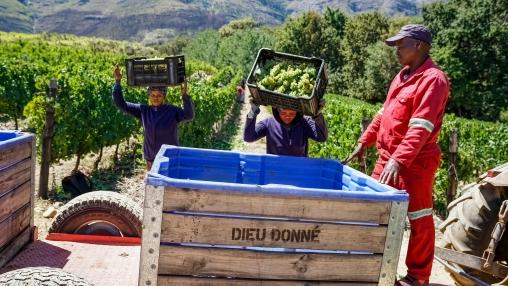
When climate shocks reduce harvests, children pay the price: Evidence from Nigeria
Key takeawaysA study in Nigeria links climate shocks such as droughts and extreme weather to increased rates of stunting and other poor outcomes for children’s health.Associated declines in farm production affect children’s diets and health during a critical period of development, with impacts strongest for vulnerable households.Policy action to address this connection is urgently needed, including strengthening climate-resilient agriculture and improving market access.Nigeria is facing mounting climate variabilities that threaten food production, livelihoods, and child nutritional status.
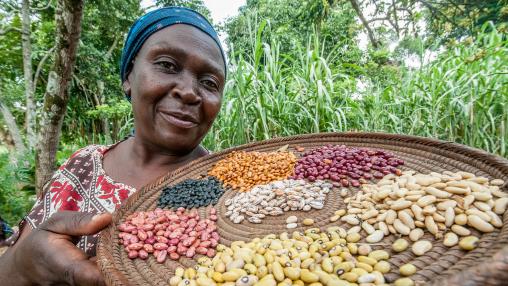
Including women in commercial agriculture benefits the whole household: Evidence from Uganda
Formally including Ugandan women in commercial agriculture—through contract ownership or behavior-change interventions—can increase women’s empowerment without reducing productivity, and with positive spillovers for household welfare and gender relations.Estimates suggest that there are 475 million smallholder farms in low- and middle-income countries, including 43 million in sub-Saharan Africa (Lowder et al. 2016, FAO 2017).
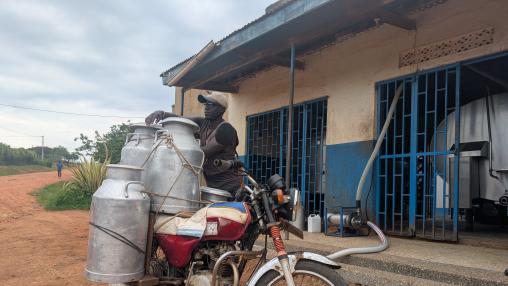
When milk quality pays: Evidence from an incentive experiment in Uganda
In many agricultural markets, the limited ability to measure product quality at the source and trace it through the supply chain remains a key barrier to improvement, as the absence of reliable quality information blunts incentives for upstream actors to invest in better practices. This challenge spans a wide range of value chains, but it is especially pronounced in the dairy sector. Milk from smallholder farmers is typically pooled and transported through multiple intermediaries before reaching processors, making it difficult to observe and reward high-quality production at any stage.
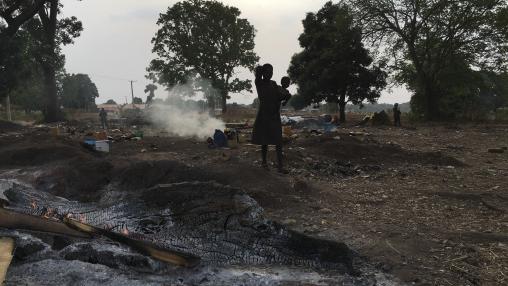
Analyzing the Economic Fallout of Conflict in the Sudan
Since April 2023, the Sudan has suffered from violent conflict that has displaced wide swathes of the population, significantly disrupted the economy, and led to skyrocketing unemployment, poverty, and food insecurity. Between December 2024 and May 2024, more than half of the country’s population experienced IPC Phase 3 food insecurity or higher, and millions of Sudanese have been without reliable access to food, healthcare, housing, and other critical services.
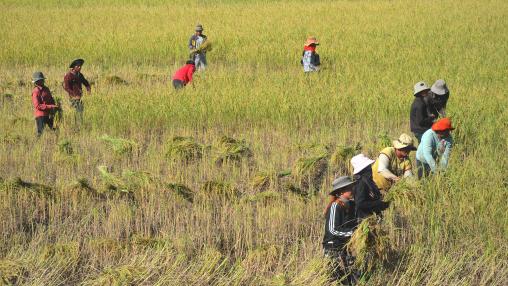
Signaling, screening, or sunk costs? Experimental evidence on how prices affect agricultural technology adoption in East Africa
Smallholder farmers in sub-Saharan Africa face growing pressure to produce more on less land while contending with worsening impacts of climate change. The need for sustainable intensification has rekindled calls for a “Green Revolution” in the region, centered on the widespread adoption of modern inputs such as hybrid seeds and inorganic fertilizers. But introducing new agricultural technologies is not just a matter of making such inputs available; it also requires convincing farmers to try them.
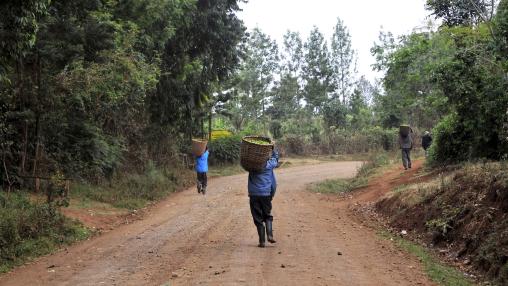
Food Self-Sufficiency Not Enough for Food Security, New Research Suggests
Does Africa need food self-sufficiency to achieve long-term food security?
Not necessarily, according to new research from IFPRI.
With food security continuing to deteriorate across the region and an estimated 600 million people expected to be chronically undernourished by 2030, shoring up Africa’s food and nutrition security has become a priority for the region’s policymakers. This perceived need has been further highlighted by recurring shocks to global food markets, including the 2008 food crisis, the COVID-19 pandemic, and the Russia-Ukraine war.
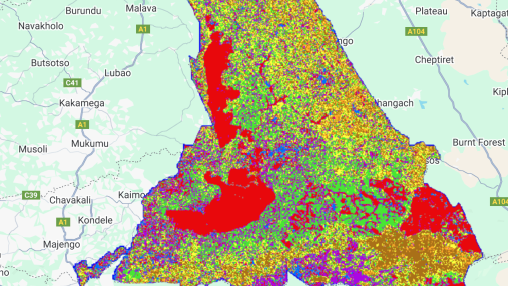
From space to soil: Advancing crop mapping and ecosystem insights for smallholder agriculture in Kenya
Crop mapping—identifying what farmers are growing on their fields—is essential to agricultural and land use planning and management. It is used to generate yield estimates and crop acreage statistics, predict food prices and assess damages from disasters and also to evaluate ecosystem health—all functions essential for agricultural export nations such as Kenya.
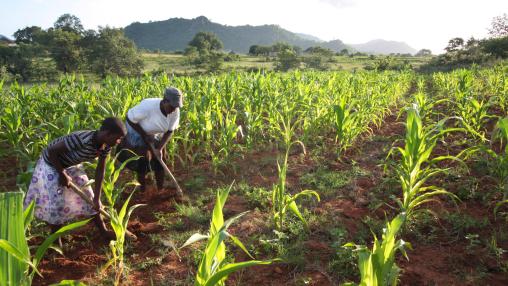
Commercialization carries both benefits and challenges for agricultural households
Creating opportunities to more effectively link farmers in Africa south of the Sahara with local, regional, and global markets has become a key development focus in recent years. However, questions remain about the impacts that increased agricultural commercialization may have on household food consumption and food and nutrition security. A recent article in Food Security examines such impacts in Ghana, Tanzania, Nigeria, and Zimbabwe and finds both positive and negative trade-offs to increased market integration.
Challenges Remain for Trade Integration in West Africa
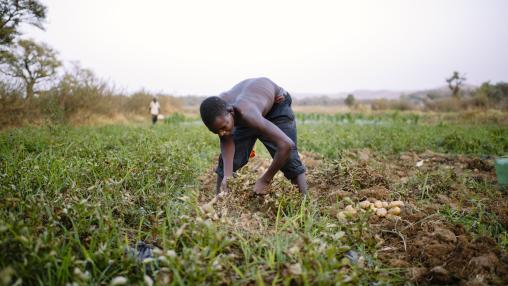
Since its establishment in 1975, the Economic Community of West African States (ECOWAS) has been a regional economic community (REC) success story, enabling free movement of people and enhancing trade integration across its 15 member states. When it comes to the movement of agricultural goods, however, ECOWAS continues to be hampered by regional conflict, political instability, corruption, poor infrastructure and logistical capabilities, and the lack of a common regional currency.
Youth "Agripreneurship" Can Drive Higher Incomes, Improved Food Security
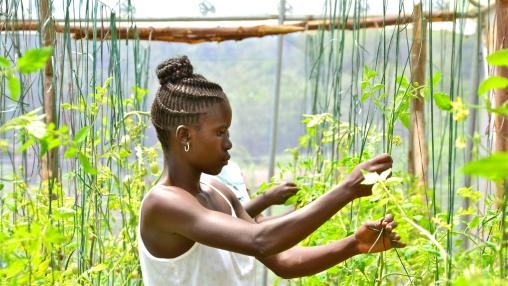
As many as 440 million youths (defined as people under the age of 30) are expected to join Africa’s labor market by 2030. If the labor market cannot support this enormous population with adequate employment and livelihood opportunities, it poses serious threats to the region’s stability, economic development, and food security.