

IFPRI WEBINAR: STRATEGIC IMPLEMENTATION PRIORITIES FOR THE CAADP KAMPALA DECLARATION
Background and Rationale
The CAADP Kampala Declaration and Associated Strategy and Action Plan (2026–2035) mark a pivotal moment in Africa’s agrifood systems transformation. The new CAADP implementation cycle renews commitment to CAADP’s foundational principles while charting a bold, forward-looking strategy for agrifood systems transformation over the next decade.
But declarations alone are not enough. The challenge now is strategic implementation:

CAADP Kampala Declaration and its Domestication: How Nigeria is Leveraging the Power of Community of Practice
The Comprehensive Africa Agriculture Development Programme (CAADP) policy framework reflects the recognition of agriculture-led economy as a driver for enhancing economic growth, reducing poverty, and increasing food security on the African continent.
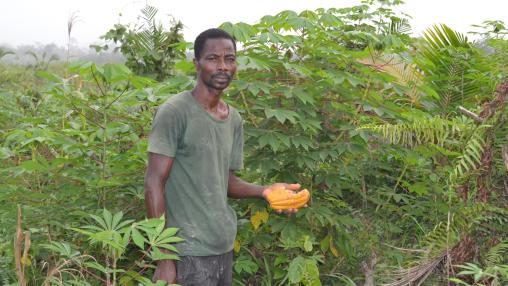
Agricultural expenditure in Ghana
By Samuel Benin and Ernesto Tiburcio
In 2003, African countries signed the Comprehensive Africa Agricultural Development Programme (CAADP) and set the goal of investing 10% of their national budgets on the agricultural sector in pursuit of a 6% agricultural growth rate each year. Since then, it has become clear that the issue of what counts as agriculture expenditures is central in determining whether the numbers reported actually reflect improvements. An analysis of Ghana’s experience shows that an inconsistent approach can lead to misleading results.
Capacity building for NAIP design
This blog originally appeared on Agrilinks . By Sheryl Hendricks .
Dramatic change has been happening in Africa for at least the past decade. Much of the progress can be attributed to the revived focus on agriculture as a driver of inclusive economic growth through the Comprehensive Africa Agricultural Development Programme (CAADP). The CAADP was initiated through the 2003 Maputo Declaration on Agriculture and Food Security in Africa and sought to achieve Millennium Development Goal One (MDG-1) to halve the turn of the century levels of extreme poverty and hunger by 2015.
2018 Global Food Policy Report Released
Globalization has played a key role in the sustained economic growth seen in Africa south of the Sahara in recent years, according to IFPRI’s 2018 Global Food Policy Report . However, rising protectionism and anti-globalization in some developed countries could pose a threat to further economic growth and development in the region.
Measuring Kenya's Progress on Malabo Declaration Targets
At the African Union Summit in Malabo (Equatorial Guinea) in June 2014, African governments adopted the Malabo Declaration on Accelerated Agricultural Growth and Transformation for Shared Prosperity and Improved Livelihoods .
2016 ReSAKSS Conference Focuses on Nutrition
ReSAKSS: Achieving a Nutrition Revolution for Africa
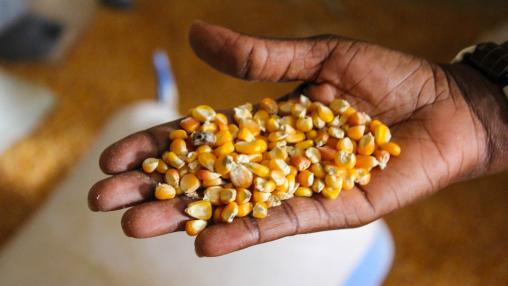
Africa Agriculture Status Report
The latest Africa Agriculture Status Report , launched last week by the Alliance for a Green Revolution Africa (AGRA) , reports significant progress in Africa’s agricultural sector following a decade of intensified attention from governments and the international community. Investment in agriculture by both governments and private sector actors has increased in many countries in the region, and there is evidence of increased agricultural productivity, enhanced nutrition, and increased off-farm job opportunities in the region’s expanding agri-food system.
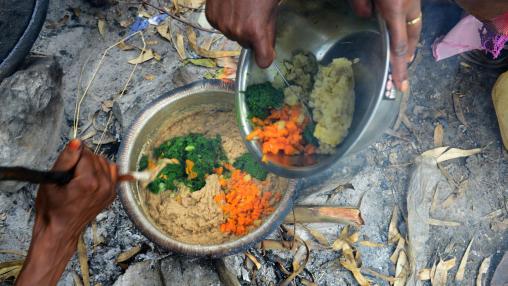
Food and Nutrition Security under CAADP
The April 2016 meeting of the CAADP Partnership Platform called for renewed efforts to meet the 2003 Maputo commitment to invest at least 10% of public budgets in agriculture, as reiterated in the 2014 Malabo Declaration. Mainstreaming nutrition in the National Agricultural Investment Strategies has been a goal for regional planners but a number of knowledge gaps still exist. Research has shown that CAADP has been successful in improving the effectiveness and transparency of agricultural policy-making in Africa, increasing the political cachet of the agricultural secto
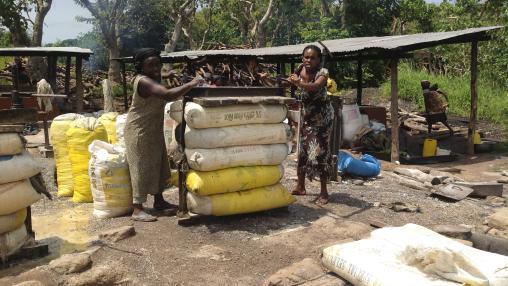
Impacts of CAADP on Africa’s Agriculture-led Development
In 2003, the member countries of the African Union launched a new initiative aimed at increasing food security and reducing poverty through the growth and development of the region’s agricultural sector. The Comprehensive Africa Agriculture Development Program , or CAADP, set a target of 6 percent annual average growth in the agricultural sector, as well as the allocation of 10 percent of total annual government expenditures to the sector.