




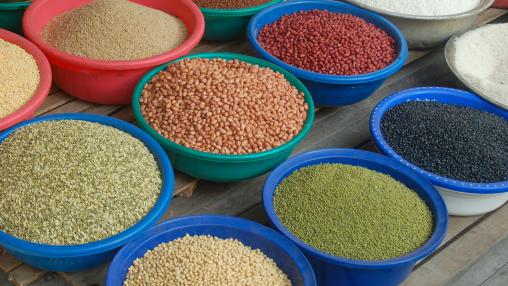
Medium-scale farms in Africa
By Thomas Jayne and Milu Muyanga
Driven by population growth and growing land scarcity, most African farm households are witnessing the gradual sub-division of their land. Over time farms are getting smaller and smaller. Today, over 80% of farms in relatively densely populated countries – like Kenya, Ethiopia, Malawi and Rwanda are smaller than one hectare. Because they’re so small, few can generate enough income to keep farmers above the poverty line and most of them increasingly rely on off-farm incomes.
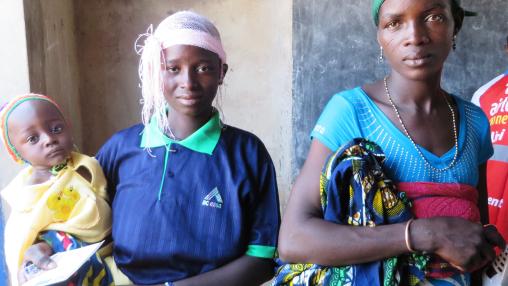
Future of Social Protection in Africa
By Fleur Wouterse
This post originally appeared on the IFPRI.org blog as the first of a series of blog posts on the release of the 2017-18 Annual Trends and Outlook Reports (ATORs) at the 2018 ReSAKKS Annual Conference in Addis Ababa Oct. 24-26. This year's ATOR theme is social protection. Read the others here , here and here .
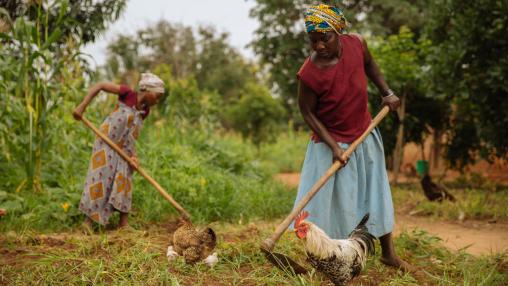
Cooperation in agricultural modernization
This piece originally appeared on the IFPRI.org blog .
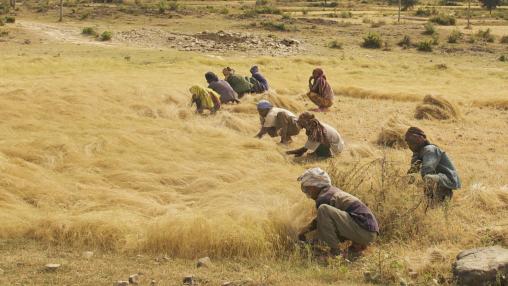
Teff love: Ethiopia’s staple crop requires big push
BY BART MINTEN, ALEMAYEHU SEYOUM TAFFESSE AND SMITA AGGARWAL
Not long ago, teff—the gluten-free, nutrient-rich, 3,000-year-old grain native to Ethiopia—had its media moment as the world began to recognize the nutritional potential of this poppy-sized staple. Teff was called the next “supergrain,” joining the select club of popular exotic grains such as quinoa, farro, and millet.
FEWS Net Updates: East Africa
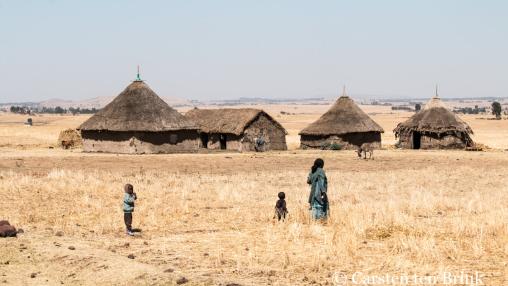
Parts of the Eastern Horn of Africa experienced above-average precipitation between March and May, followed by more heavy rainfall in the northern areas of the region during the start of the June-September wet season. This increased rainfall has led to severe flooding in several areas of the region, and FEWS Net forecasts flooding and heavy rains to continue into Decembe r. Sudan remains the hardest hit, with parts of northern Ethiopia and western South Sudan also impacted.
The Economics of Teff
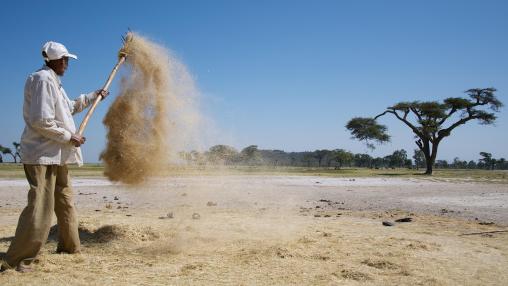
Teff plays a leading role in both the diets and the economy of Ethiopia. While the crop’s potential to expand into lucrative domestic and global export markets is large, however, little investment has been made to expand the crop’s productivity to take advantage of these opportunities. A new book from IFPRI, The Economics of Teff: Exploring Ethiopia’s Biggest Cash Crop , takes a look at the challenges faced by teff producers and how governments and private sector actors can work together to expand the crop’s role in global food markets.
Growth in Agricultural Mechanization
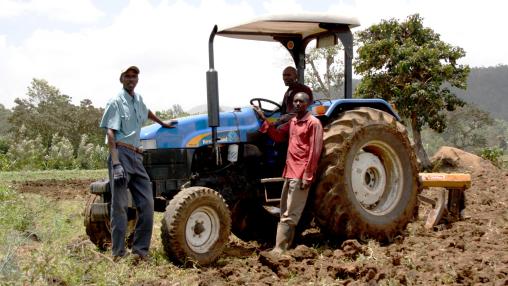
On July 10, agricultural experts from Africa, Europe, and Asia met in Lilongwe, Malawi for the latest meeting of the Malabo Montpellier Forum . The Forum provides a platform for informed dialogue and exchange among African policy makers, politicians and decision-makers on African agriculture and food security.
Malawi's FIRP Program and Maize Prices
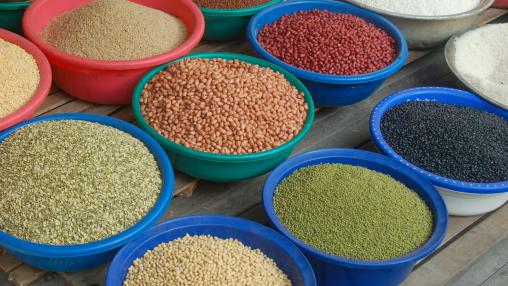
In April 2016, the President of Malawi declared a state of emergency in response to the second consecutive year of failed maize harvests. Domestic maize production in early 2016 only reached 2.4 million metric tons, compared to the 3.2 metric tons harvested in an average year. The international aid community and the private sector responded with the Food Insecurity Response Program (FIRP), which provided aid to almost 40 percent of the Malawian population.
Women and Cash Cropping
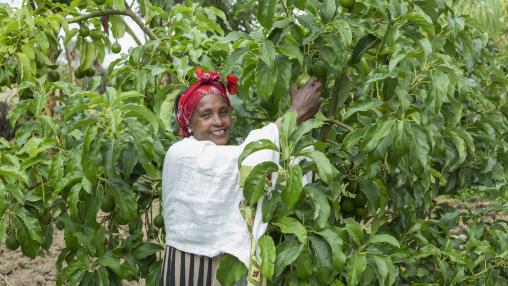
Gender equality plays a pivotal role in food security, poverty reduction, and overall development. In a new project note , an ongoing project from IFPRI’s Markets, Trade, and Institutions Division looks at how women in Africa can be better integrated into emerging high-value cash crop production markets.
Capacity building for NAIP design
This blog originally appeared on Agrilinks . By Sheryl Hendricks .
Dramatic change has been happening in Africa for at least the past decade. Much of the progress can be attributed to the revived focus on agriculture as a driver of inclusive economic growth through the Comprehensive Africa Agricultural Development Programme (CAADP). The CAADP was initiated through the 2003 Maputo Declaration on Agriculture and Food Security in Africa and sought to achieve Millennium Development Goal One (MDG-1) to halve the turn of the century levels of extreme poverty and hunger by 2015.