




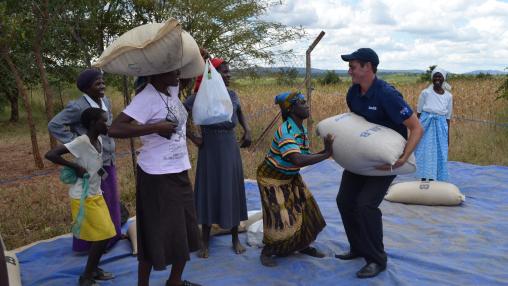
GIEWS Country Briefs See Mixed Crop Production, High Food Insecurity
FAO’s Global Information and Early Warning Systems (GIEWS) has released several new country briefs for Africa south of the Sahara. This series of briefs provides an overview of the food security situation in prioritized countries, focusing on the current agricultural season, harvest prospects for staple food crops and livestock, estimates and forecasts of cereal production, and food price and food policy trends.

Way Ahead for Agricultural Productivity
Agricultural Productivity in Africa
As a growing population fuels increased demand for food, the pressure on Africa’s agricultural sector also grows. However, agricultural productivity in the region remains low. A new IFPRI book, Agricultural productivity in Africa: Trends, patterns, and determinants, provides an extensive study of the current condition of agricultural productivity in Africa, arguing that the region’s ongoing economic development gives hope for the sustainable expansion of the agricultural sector.
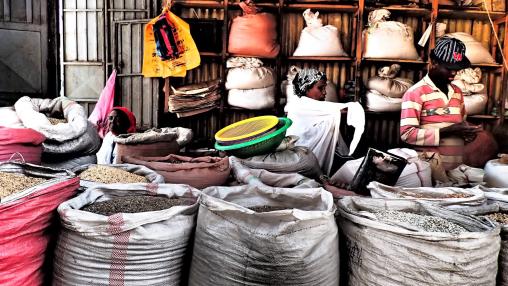
Ethiopia’s Farmers and Urban Growth
Urbanization rates have exploded across Africa over the past 20 years. According to the African Development Bank, between 1982 and 2012, African cities grew at a rate of 3.5 percent per year, and experts only forecast this trend to continue. The World Bank expects the share of Africans living in urban areas to reach 50 percent by 2030.
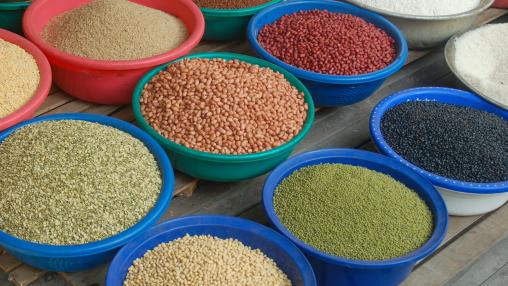
Cautious Optimism for African Agriculture
Cautiously Optimistic Outlook for African Agriculture

Reducing Child Stunting in Zambia
Stunting, or low height-for-age, remains a significant development challenge throughout much of Africa south of the Sahara. According to the World Health Organization (WHO) , childhood stunting can have significant long-term effects, including decreased cognitive and physical development, increased vulnerability to disease, and reduced productive capacity into adulthood.
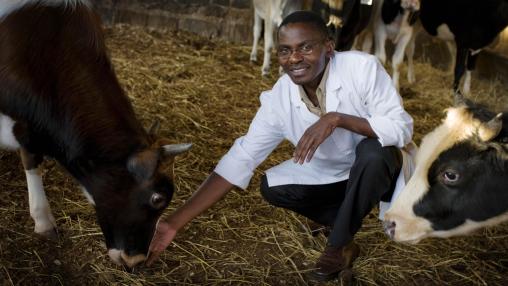
Africa Science Agenda Aims to Make Africa Global Breadbasket
The 7 th Africa Agriculture Science Week (AASW) and Forum for Agricultural Research in Africa (FARA) General Assembly was held from June 13-16 in Kigali, Rwanda. The event, held every three years, brings together key stakeholders in African agricultural science, technology, and innovations to coordinate strategies to accelerate the region’s economic and social development.
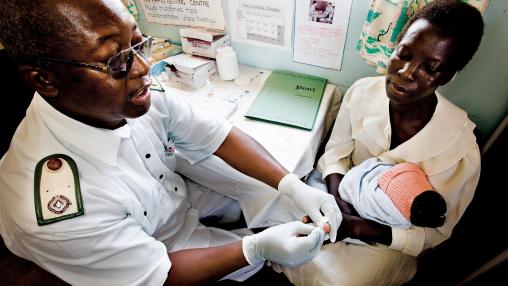
Climate Change Threat to Health
Discussions about the effects of climate change and climate change adaptation often center on changes in crop yields and subsequent changes in food security and incomes . In addition to these immediate impacts, however, climate change can have important secondary effects on a range of other development indicators.
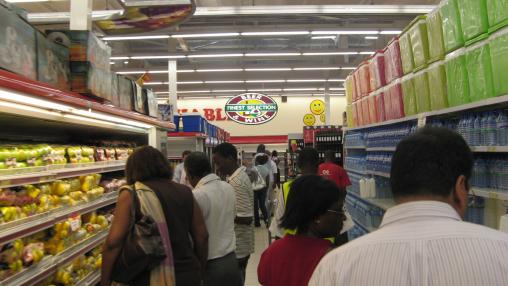
Helping Food Reach Cities: How Urbanization Is Changing Africa's Food System
The latest African Economic Outlook , published by the OECD, finds that despite a weakened global economy, lower commodity prices, and some serious weather shocks, Africa saw positive economic growth in 2015.
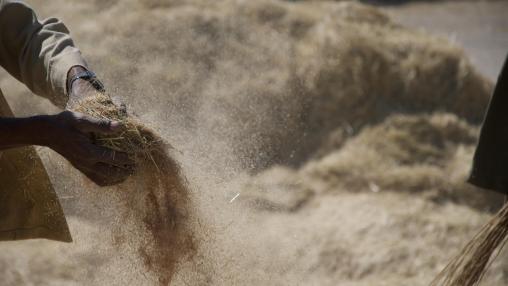
Agricultural Production and Changing Prices: The Case of Teff
Smallholder farmers make up over 90 percent of Ethiopia’s agricultural output and thus play a pivotal role in the country’s food production and availability. However, little research has been done regarding how farmers’ production and supply decisions respond to changes in agricultural prices. These supply responses can have significant implications for overall food security.
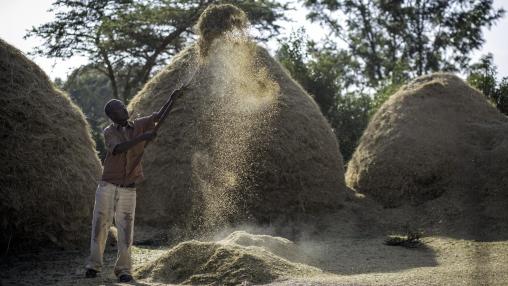
What Is Driving Agricultural Productivity in Ethiopia?
Over the past decade, Ethiopia’s agricultural productivity has exploded, particularly for cereal crops. This expansion in agriculture has led to impressive economic growth, but it’s unclear exactly what is behind the advance in productivity. Additionally, Ethiopian agriculture relies heavily on smallholder farmers, and some researchers are concerned that the recent growth may not be sustainable on the country’s increasingly small landholdings.