




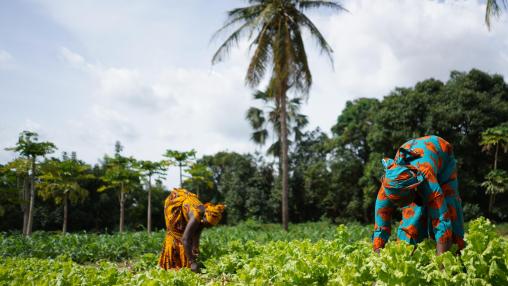
Who’s afraid of high fertilizer prices?
During 2021 and 2022, global food and fertilizer prices spiked due to several overlapping factors. Demand rose as the world economy emerged from the COVID-19 recession; global supply chains suffered major disruptions associated with the uneven recovery; and the outbreak of war between Russia and Ukraine—both key food and fertilizer producers—generated yet another shock.
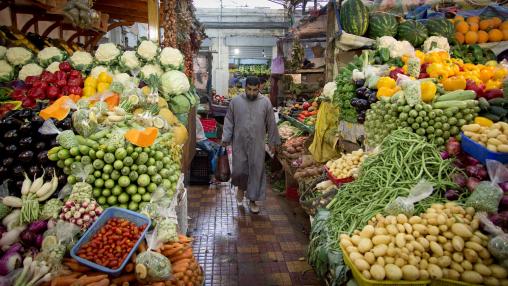
Transforming African Agriculture through Inclusive Agricultural Value Chain Development
Africa’s agricultural sector has the potential to drive important economic growth and development in the region. Agriculture accounts for 16 percent of Africa’s annual GDP and employs over half of its labor force, particularly youth and women workers. Despite the sector’s vast potential, however, African agriculture remains hampered by low resource productivity and little or no value addition; shocks like climate change, ongoing regional and local conflict, and supply and market disruptions resulting from the COVID-19 pandemic and global conflicts have only exacerbated these challenges.
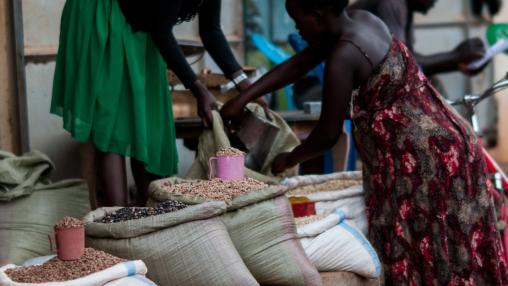
Multiple Pathways to Better Food and Nutrition Security: Evidence from Uganda
More than half of the adult population in Uganda is employed in the agriculture and fishery industries, with an estimated 36 percent engaging in subsistence agriculture. Despite the importance of agriculture to Uganda’s economy, however, the country continues to suffer from high rates of food insecurity. Small-scale farmers are often particularly hard hit by the cycle of poverty and hunger due to the vulnerability of their livelihoods to price shocks, extreme weather events, and other disruptions.
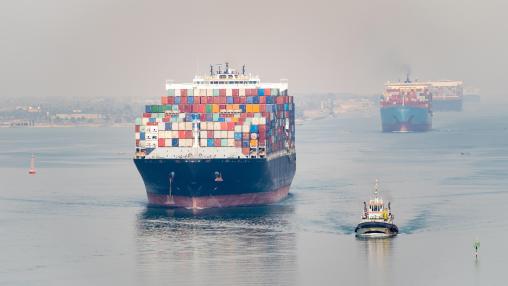
Impacts of Red Sea shipping disruptions on global food security
The recent attacks of Yemen-based Houthi rebels on ships in the Red Sea have paralyzed shipping through the Suez Canal, forcing exporters in the Black Sea region and elsewhere to consider alternative—and more costly—shipping routes. In early January, A.P. Moller-Maersk A/S, the world's second-largest container ship company, announced it would suspend shipments through the Red Sea. Trade volumes in the Suez Canal are down an estimated 40% since the attacks began.
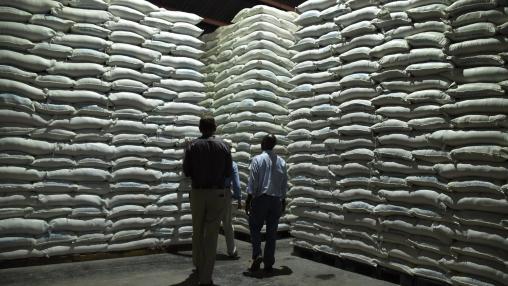
The Ukraine-Russia Crisis and SSA: New Ebook Provides a Look Back and Forward
Africa south of the Sahara has been, and will continue to be, particularly hard hit by the impacts of the Russia-Ukraine conflict on global food and fuel prices, according to a new ebook from IFPRI. The book, based on IFPRI’s Ukraine blog and research brief series, provides a regional and country-level overview of the impacts of the ongoing crisis on SSA. It also concludes with policy recommendations and lessons learned to help the region, and the world, better respond to future food system shocks.
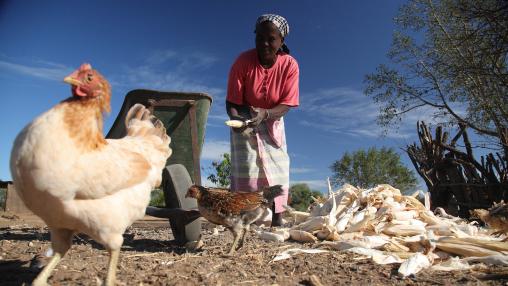
Market System Development Interventions Prove Effective in Improving Agricultural Productivity in Mozambique
An innovative market system development (MSD) intervention in Mozambique has helped increase use of agricultural inputs and access to critical market information among smallholder farmers, according to a new policy brief released by IFPRI. These results extended beyond the direct beneficiaries as well, highlighting the potential for such interventions to provide wide-ranging benefits.
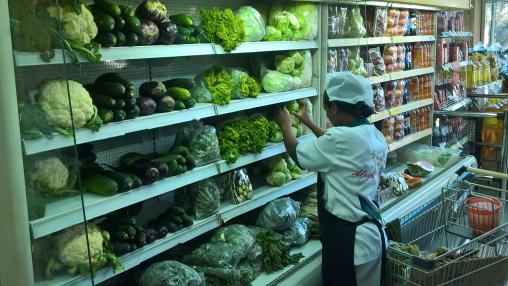
Can urbanization benefit rural populations?
Increasing urbanization plays a major role in shifting patterns of food supply and demand and thus in transforming food systems. These transformations carry significant implications for the livelihoods of rural populations, presenting both challenges and opportunities. A new paper published in Food Security examines some of these impacts in Africa south of the Sahara (SSA) and South Asia, as well as the enabling environments needed to help rural communities benefit from the changes.
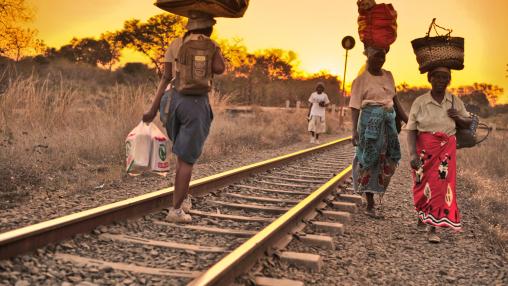
The hidden world of informal African trade: Policy seminar wrap-up
Millions of people in Africa rely on informal trade for their livelihoods. In some African countries, the share of informal exports nearly surpasses the share of formal exports. Nevertheless, data surrounding informal trade remains scarce. This problem of invisibility makes it difficult for researchers and policy makers to understand the realities of informal trade, including the daily challenges and precarious existence that traders—particularly women—face.
Prepare food systems for a long-haul fight against COVID-19
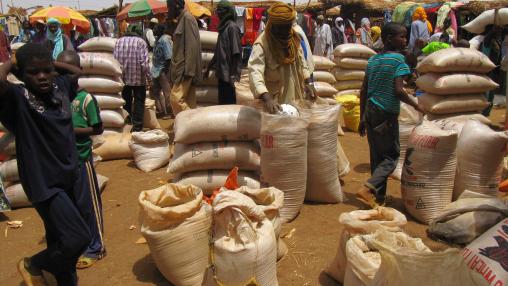
The COVID-19 pandemic has hit the global economy hard, and in many places other factors—such as the locust invasion in East Africa and falling export commodity prices—are compounding its effects. FAO Chief Economist Maximo Torero observes that no modern economy has experienced anything like the combination of the Great Lockdown and the worst recession since the Great Depression, and that these could trigger a global food crisis—with Africa south of the Sahara especially vulnerable. He lays out a series of policy prescriptions that can help keep millions from starvation and fortify food systems for a post-pandemic world.—Johan Swinnen, series co-editor and IFPRI Director General.
L'intervention du gouvernement aide-t-elle ou entrave-t-elle les marchés agricoles ? Données du marché du maïs au Malawi
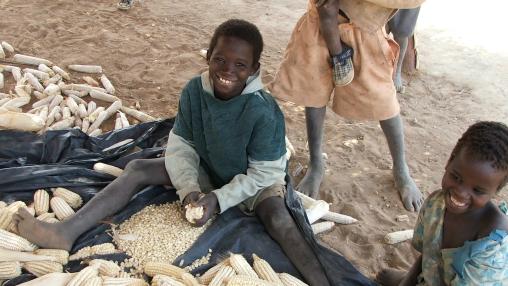
Comme de nombreux gouvernements de pays en développement, le gouvernement du Malawi est intervenu sur les marchés agricoles du pays afin d'assurer un approvisionnement alimentaire adéquat à des prix raisonnables.