




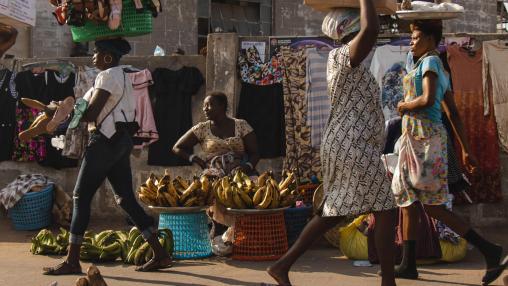
Impacts of Ghana's COVID-19 Response
By: Sara Gustafson
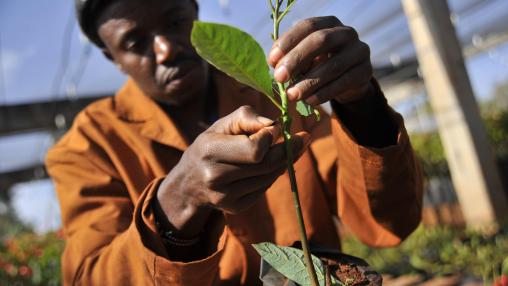
Smallholders & Avocados in Kenya
By Mulubrhan Amare and Julia Wilson
Kenya is the world’s third largest producer of avocados. It’s also Kenya’s leading fruit export, accounting for nearly one-fifth of its total horticultural exports.
But Kenya only exports 10% of its total avocado production. By comparison , Chile exports 55% and South Africa exports 60%.
Avocado is grown in several parts of Kenya and about 70% of avocado production is by small-scale growers. They grow it for subsistence, local markets, and export purposes.
Agricultural Commodity Exchange for Africa
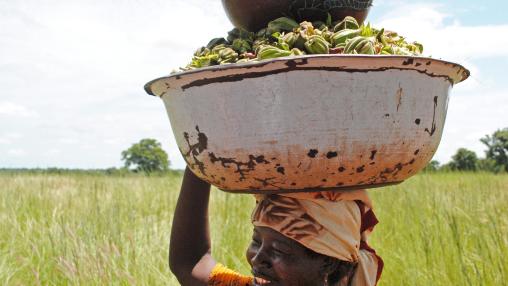
Providing smallholder farmers access to markets and price information is key to improving agricultural productivity and growth, along with food and nutrition security. In line with this, the Agricultural Commodity Exchange for Africa (ACE) has operated a Market Information System (MIS) and a Warehouse Receipt System (WRS) since 2011. The MIS provides farmers, traders and other market participants with access to regular updates on the prices of the commodities they trade via SMS and email, along with its online trading platforms.
Is African Agriculture Waking Up?
This post first appeared on Trade for Development News and the ReSAKSS blog.
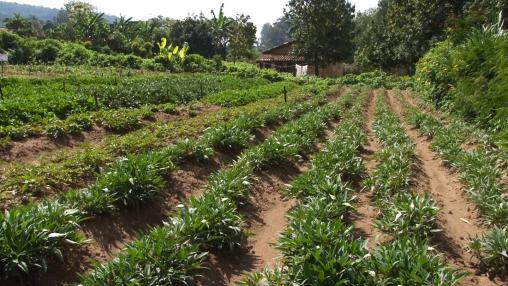
Despite longstanding recognition of the benefits of trade and the importance of improving competitiveness, Africa is performing beneath its potential in global and regional agricultural markets.
Understanding local African fertilizer prices
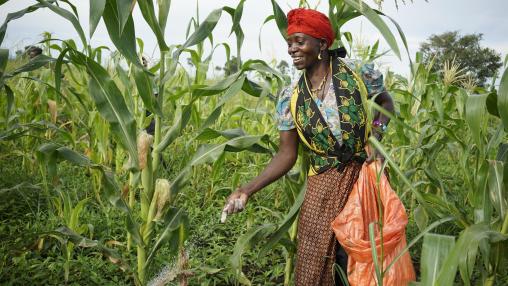
Crop yields in Africa south of the Sahara are generally low, in large part because of low fertilizer use. A recent study of six countries in the region showed that only 35% of farmers applied fertilizer. There are many possible reasons why farmers do not use fertilizer. They may be unaware of its effectiveness; or have degraded soils that do not respond to fertilizer; they may not have the cash to purchase it; or unpredictable rainfall may make such investments risky. Local fertilizer prices may also cut into potential profits for many farmers.
Below Average Rainfall to Challenge Planting, Food Security in Southern Africa
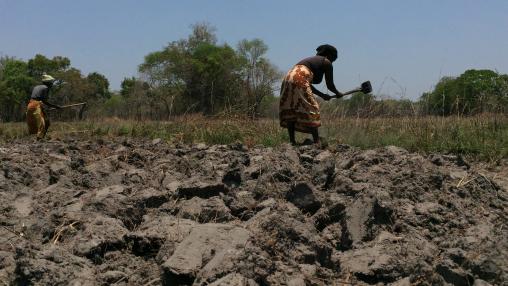
According to a recent alert from FEWS Net , southern Africa has seen a below average start to the 2019-2020 agricultural season, with rainfall only 55-85 percent of normal levels from October through early December. This decrease in precipitation has negatively impacted planting and germination rates throughout much of the region. The most impacted areas include Lesotho, central and southern Mozambique, Madagascar, South Africa, and western and southern Zambia. The situation will only be further exacerbated by expected continued below average rainfall through May 2020.
Direct Seed Marketing in Ethiopia
By: Swati Malhotra, IFPRI
Grain Price Movements in Nigeria
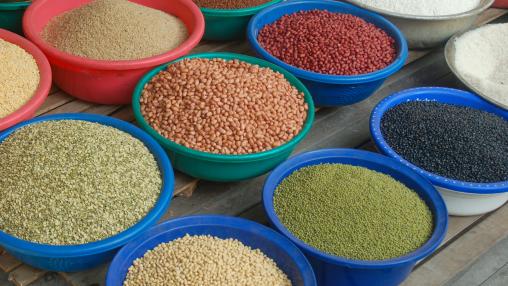
As crop prices move throughout the year, they influence households’ consumption decisions, farmers’ production decisions, and traders’ marketing decisions. As such, it is important to understand price seasonality in local contexts in order to design appropriate policy interventions. A new working paper and policy note from IFPRI’s Nigeria Strategy Support Program look at such price movements in grain prices in Kebbi state, Nigeria.
Food Quality in the Senegalese Onion Market
This post originally appeared on VoxDev . By Tanguy Bernard, Alan de Janvry, Samba Mbaye, and Elisabeth Sadoulet.
Agriculture market reforms that allow quality recognition enable farmers to capture higher prices and lead to adoption of better technology
Nigeria Market and Food Security Update
Since June 2016, FEWS Net has followed the market situation in Nigeria; the country faces continuing economic challenges due to a global decline in crude oil prices and a depreciation of the national currency, as well as ongoing conflict in the northeastern regions. In the latest Nigeria Market Monitoring Bulletin , FEWS Net provides several updates of the implications of these challenges for the country and the region.